Bosch-Aranda María L, Canalda-Sahli Carlos, Figueiredo Rui, Gay-Escoda Cosme
DDS. Fellow of the Postgraduate Oral Surgery and Orofacial Implantology, School of Dentistry, University of Barcelona (Spain).
DDS, MD, PhD. Professor of Endodontics, School of Dentistry, University of Barcelona (Spain). Researcher of the IDIBELL Institute. Barcelona (Spain).
J Clin Exp Dent. 2012 Jul 1;4(3):e194-8. doi: 10.4317/jced.50767. eCollection 2012 Jul.
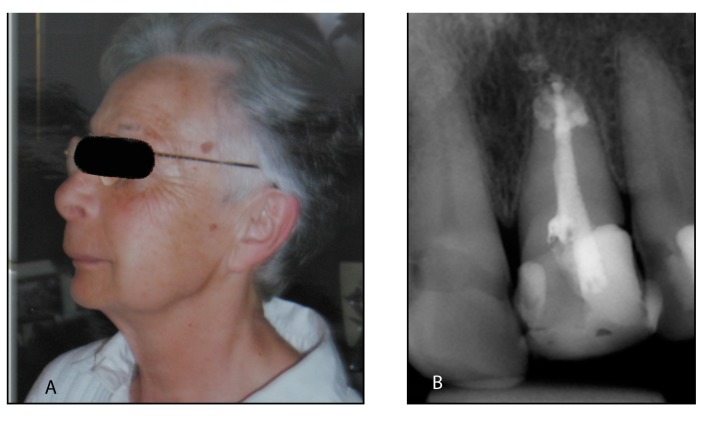
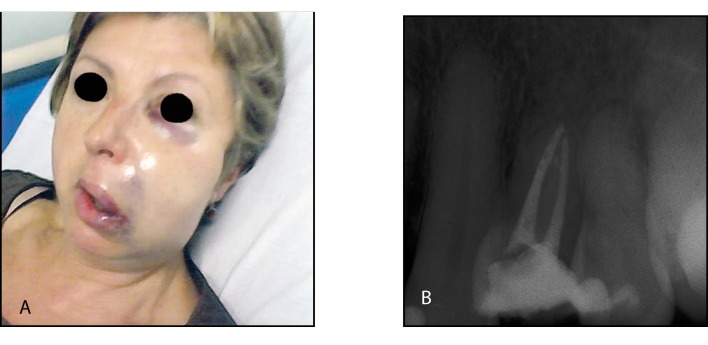
Sodium hypochlorite (NaOCl) is the most commonly used solution in root canal treatments, as it is a low-cost method that displays a very effective antimicrobial activity against microbiota of infected root canals. However, this solution can cause complications especially due to its cytotoxic features. When this solution is injected into the adjacent tissues, the patient usually experiences intense pain, and an urgent treatment should be implemented in order to prevent a long-term sequelae. This paper describes the clinical features of two patients that experienced an accidental extrusion of NaOCl after endodontic treatment of varying severity and with different treatments. Furthermore, it shows the long-term neurologic injuries that this type of accidents may cause and a treatment protocol for these situations will be suggested. Key words:Nerve damage, root canal irrigation, root canal treatment, sodium hypochlorite.
次氯酸钠(NaOCl)是根管治疗中最常用的溶液,因为它是一种低成本方法,对感染根管的微生物群具有非常有效的抗菌活性。然而,这种溶液尤其因其细胞毒性特征可能导致并发症。当这种溶液注入相邻组织时,患者通常会经历剧烈疼痛,应立即进行治疗以防止长期后遗症。本文描述了两名患者在不同严重程度和不同治疗方式的牙髓治疗后意外挤出NaOCl的临床特征。此外,它还展示了这类事故可能导致的长期神经损伤,并将提出针对这些情况的治疗方案。关键词:神经损伤、根管冲洗、根管治疗、次氯酸钠