Irizar Haritz, Muñoz-Culla Maider, Sepúlveda Lucia, Sáenz-Cuesta Matías, Prada Álvaro, Castillo-Triviño Tamara, Zamora-López Gorka, López de Munain Adolfo, Olascoaga Javier, Otaegui David
Multiple Sclerosis Unit, Neuroscience Area, Biodonostia Health Research Institute, Donostia-San Sebastian, Spain ; Spanish Multiple Sclerosis Net (REEM), Barcelona, Spain.
Multiple Sclerosis Unit, Neuroscience Area, Biodonostia Health Research Institute, Donostia-San Sebastian, Spain.
PLoS One. 2014 Feb 28;9(2):e90482. doi: 10.1371/journal.pone.0090482. eCollection 2014.
Although the most common clinical presentation of multiple sclerosis (MS) is the so called Relapsing-Remitting MS (RRMS), the molecular mechanisms responsible for its progression are currently unknown. To tackle this problem, a whole-genome gene expression analysis has been performed on RRMS patients.
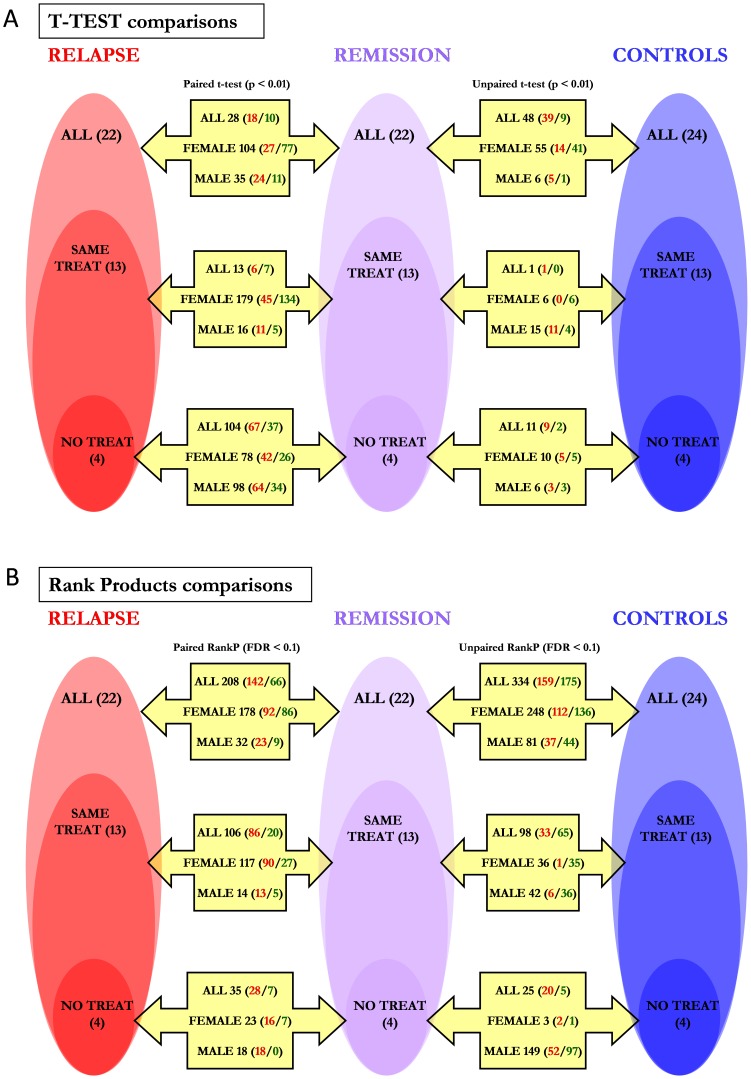
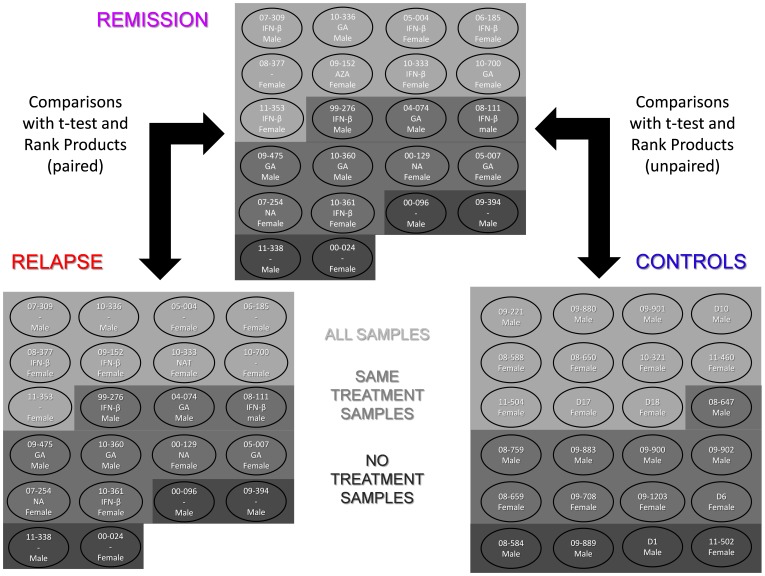
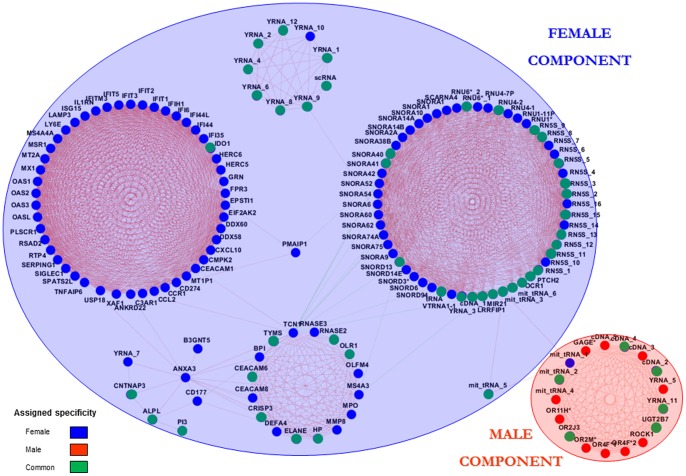
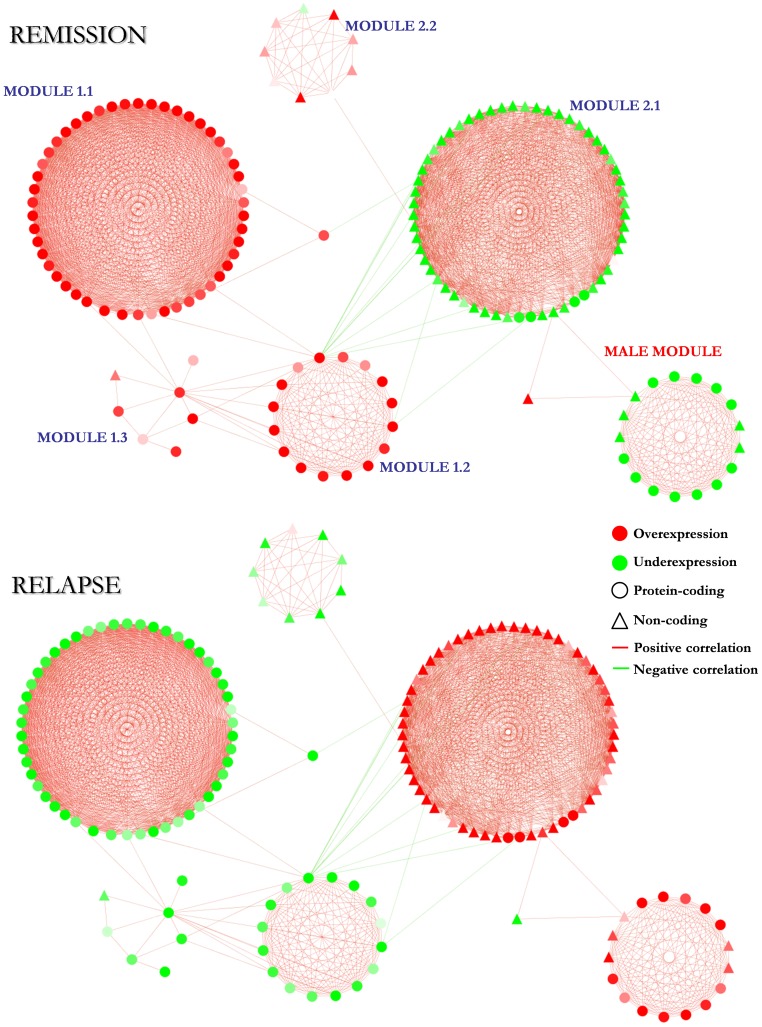
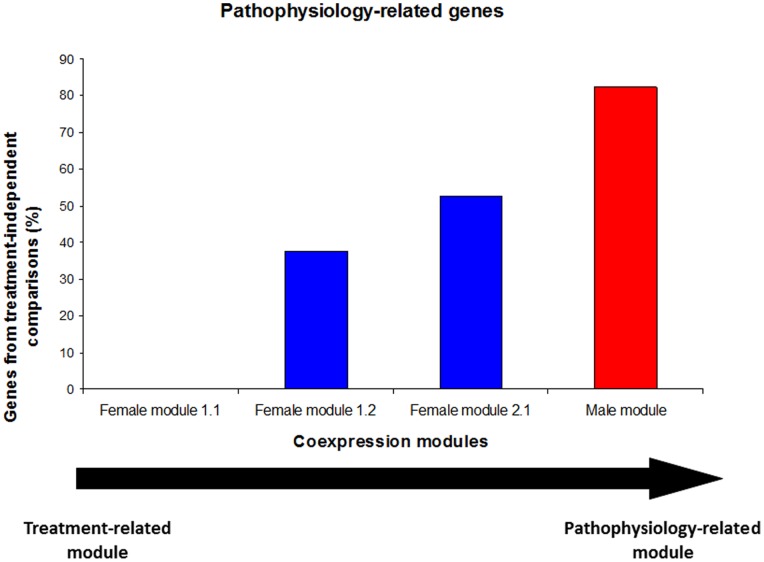
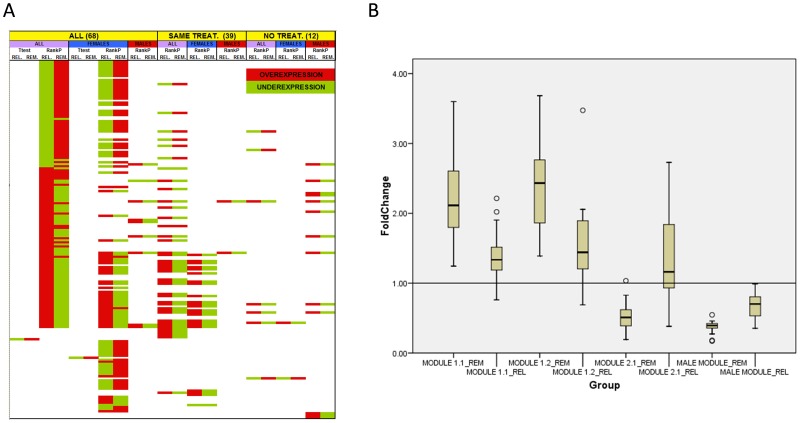
The comparative analysis of the Affymetrix Human Gene 1.0 ST microarray data from peripheral blood leucocytes obtained from 25 patients in remission and relapse and 25 healthy subjects has revealed 174 genes altered in both remission and relapse, a high proportion of them showing what we have called "mirror pattern": they are upregulated in remission and downregulated in relapse or vice versa. The coexpression analysis of these genes has shown that they are organized in three female-specific and one male-specific modules.
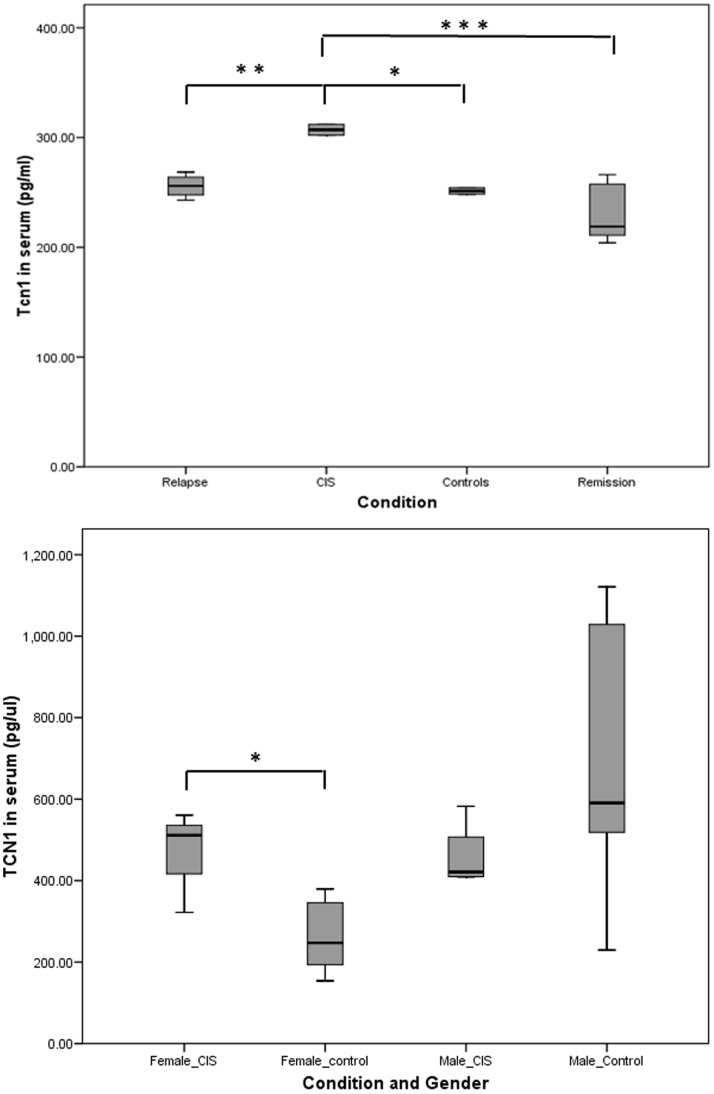
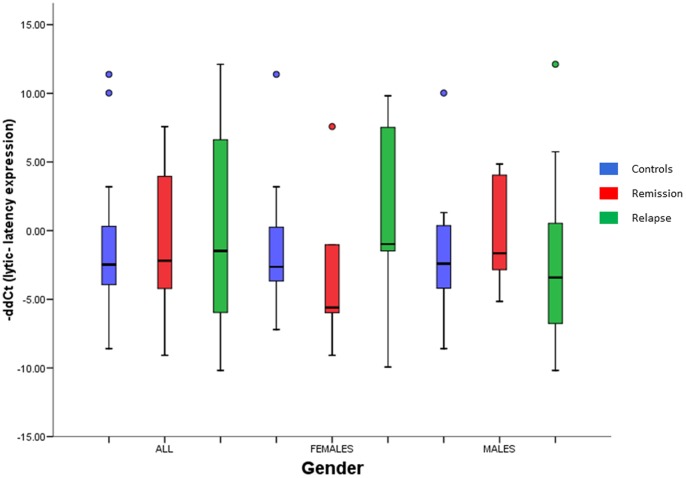
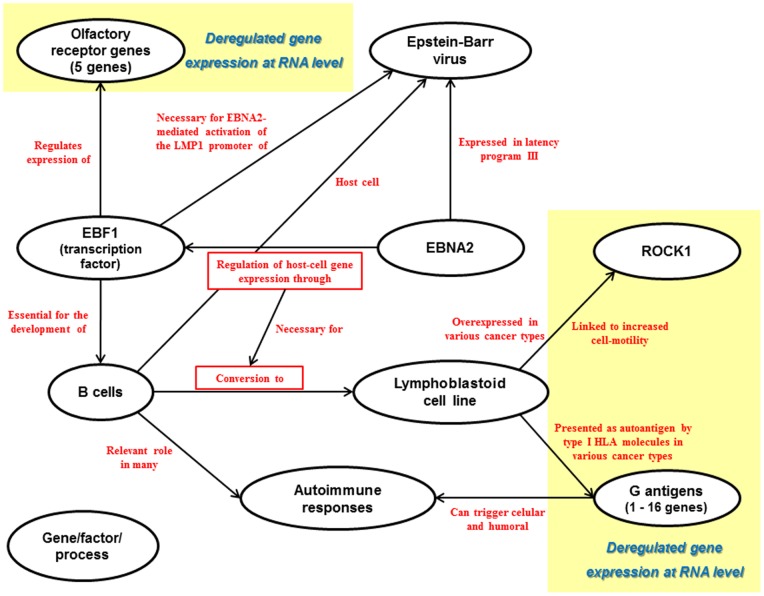
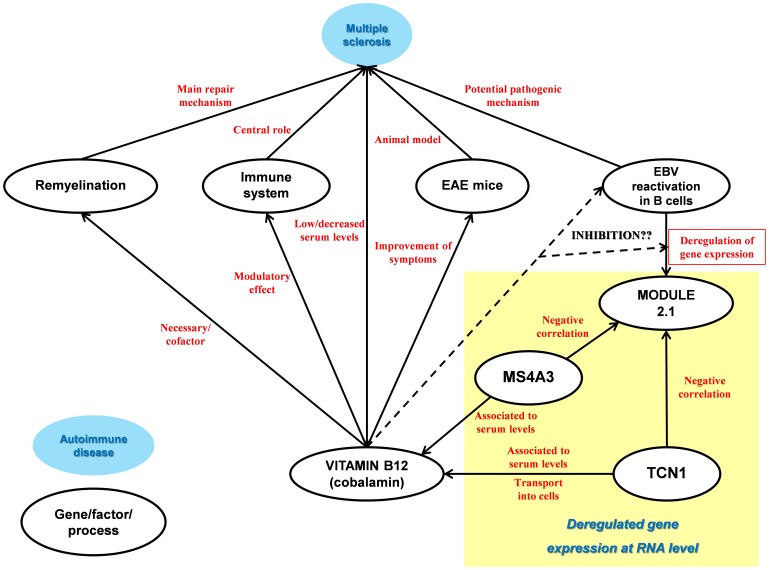
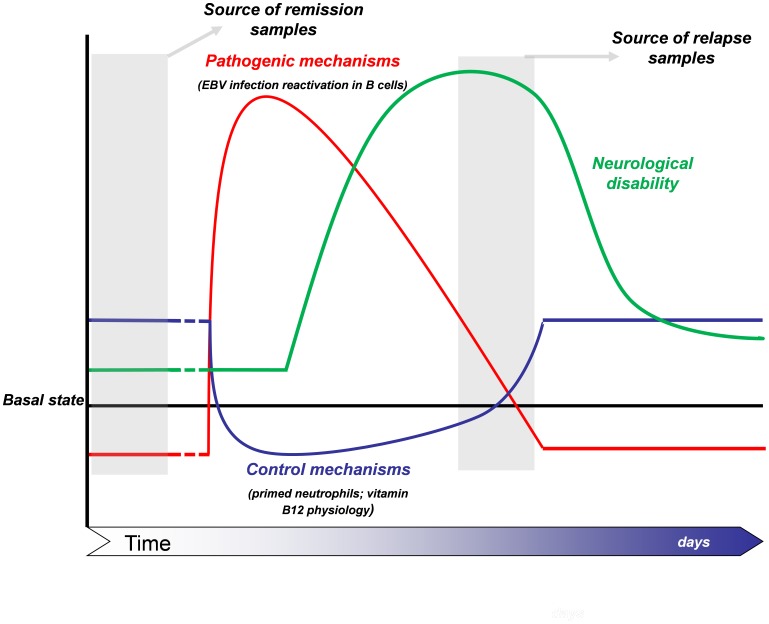
The interpretation of the modules of the coexpression network suggests that Epstein-Barr virus (EBV) reactivation of B cells happens in MS relapses; however, qPCR expression data of the viral genes supports that hypothesis only in female patients, reinforcing the notion that different molecular processes drive disease progression in females and males. Besides, we propose that the "primed" state showed by neutrophils in women is an endogenous control mechanism triggered to keep EBV reactivation under control through vitamin B12 physiology. Finally, our results also point towards an important sex-specific role of non-coding RNA in MS.
尽管多发性硬化症(MS)最常见的临床表现是所谓的复发缓解型多发性硬化症(RRMS),但其进展的分子机制目前尚不清楚。为了解决这个问题,对RRMS患者进行了全基因组基因表达分析。
对来自25例缓解期和复发期患者以及25名健康受试者的外周血白细胞的Affymetrix Human Gene 1.0 ST微阵列数据进行比较分析,发现174个基因在缓解期和复发期均发生改变,其中很大一部分呈现出我们所谓的“镜像模式”:它们在缓解期上调,在复发期下调,反之亦然。对这些基因的共表达分析表明,它们被组织成三个女性特异性模块和一个男性特异性模块。
对共表达网络模块的解释表明,B细胞的爱泼斯坦-巴尔病毒(EBV)再激活发生在MS复发时;然而,病毒基因的qPCR表达数据仅在女性患者中支持这一假设,强化了不同分子过程驱动女性和男性疾病进展的观点。此外,我们提出女性中性粒细胞呈现的“预激发”状态是一种内源性控制机制,通过维生素B12生理作用触发,以控制EBV再激活。最后,我们的结果还表明非编码RNA在MS中具有重要的性别特异性作用。