Maiguma Masayuki, Suzuki Yusuke, Suzuki Hitoshi, Okazaki Keiko, Aizawa Masashi, Muto Masahiro, Tomino Yasuhiko
Division of Nephrology, Department of Internal Medicine, Juntendo University Faculty of Medicine, Tokyo, Japan.
PLoS One. 2014 Feb 28;9(2):e90558. doi: 10.1371/journal.pone.0090558. eCollection 2014.
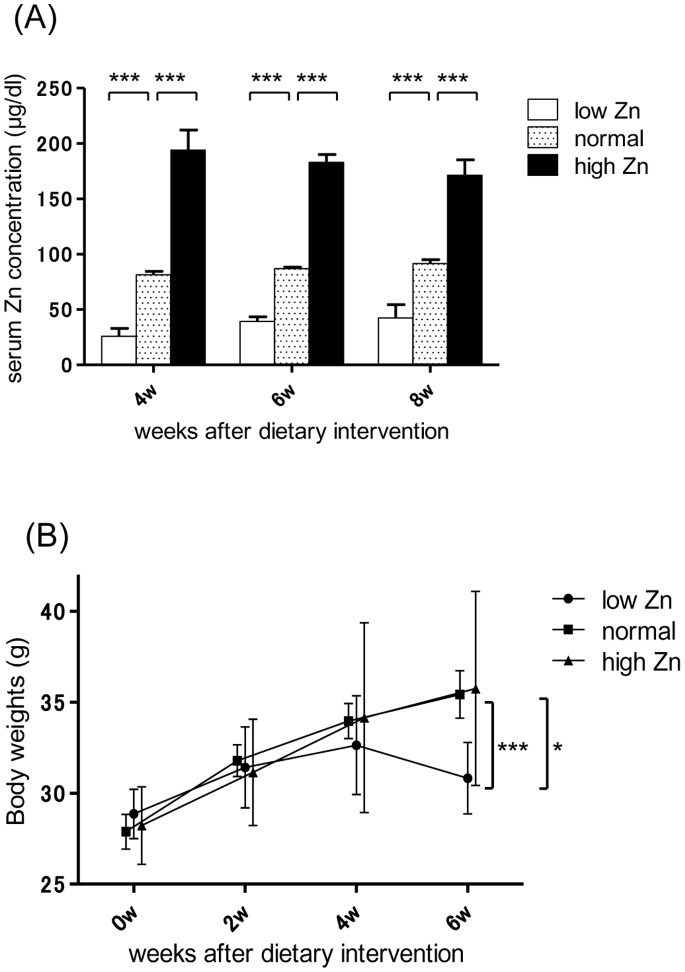
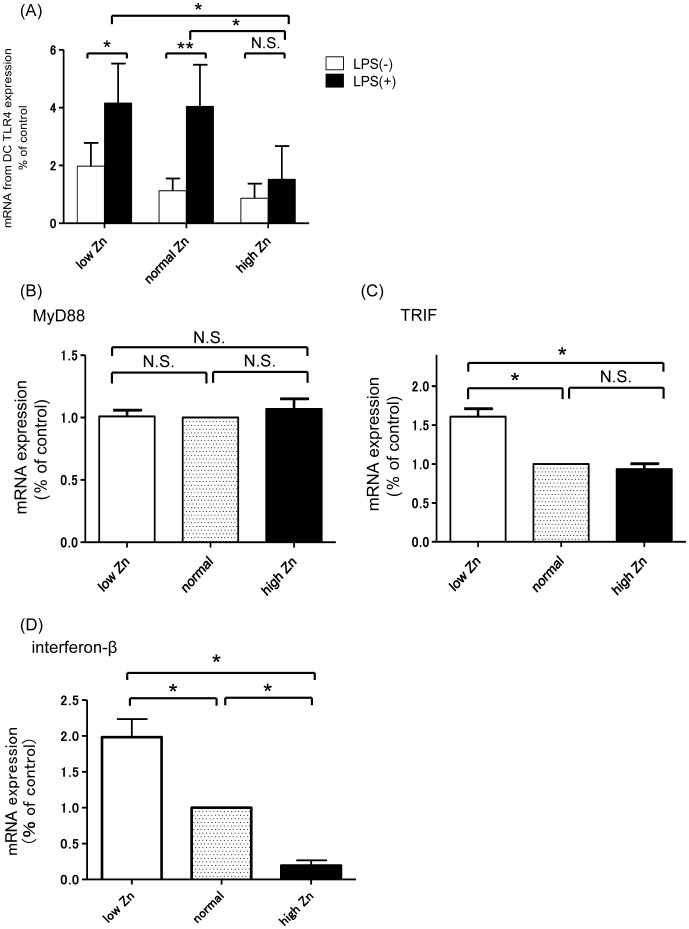
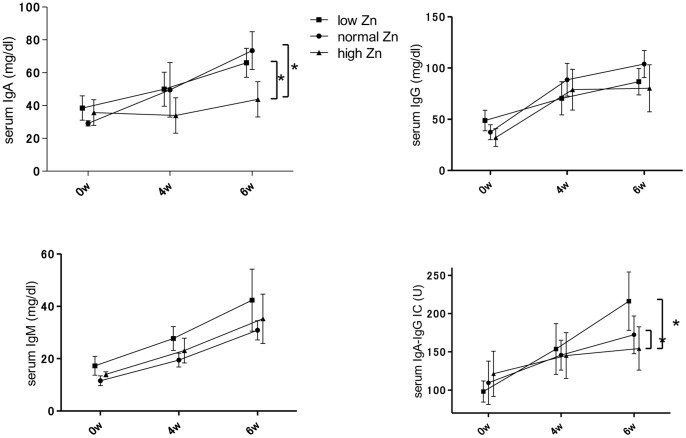
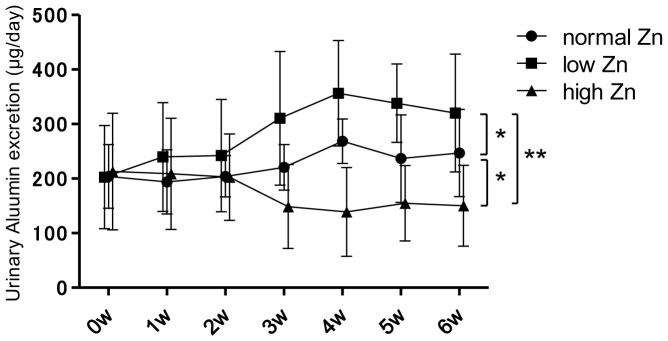
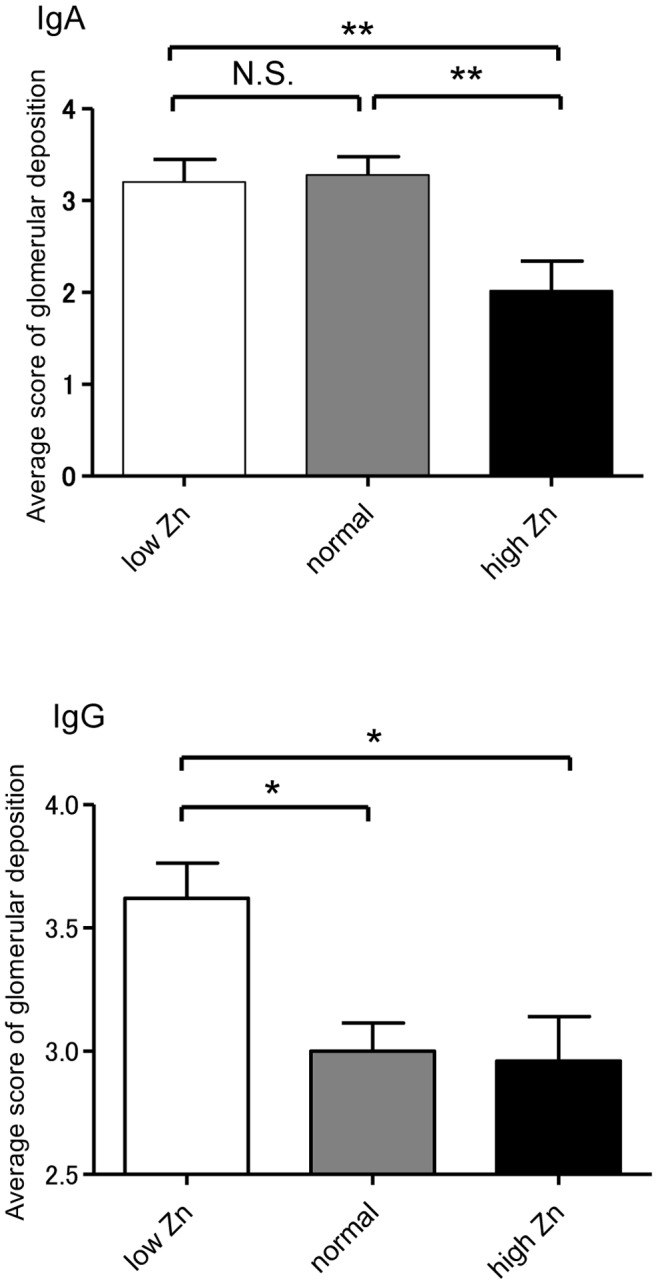
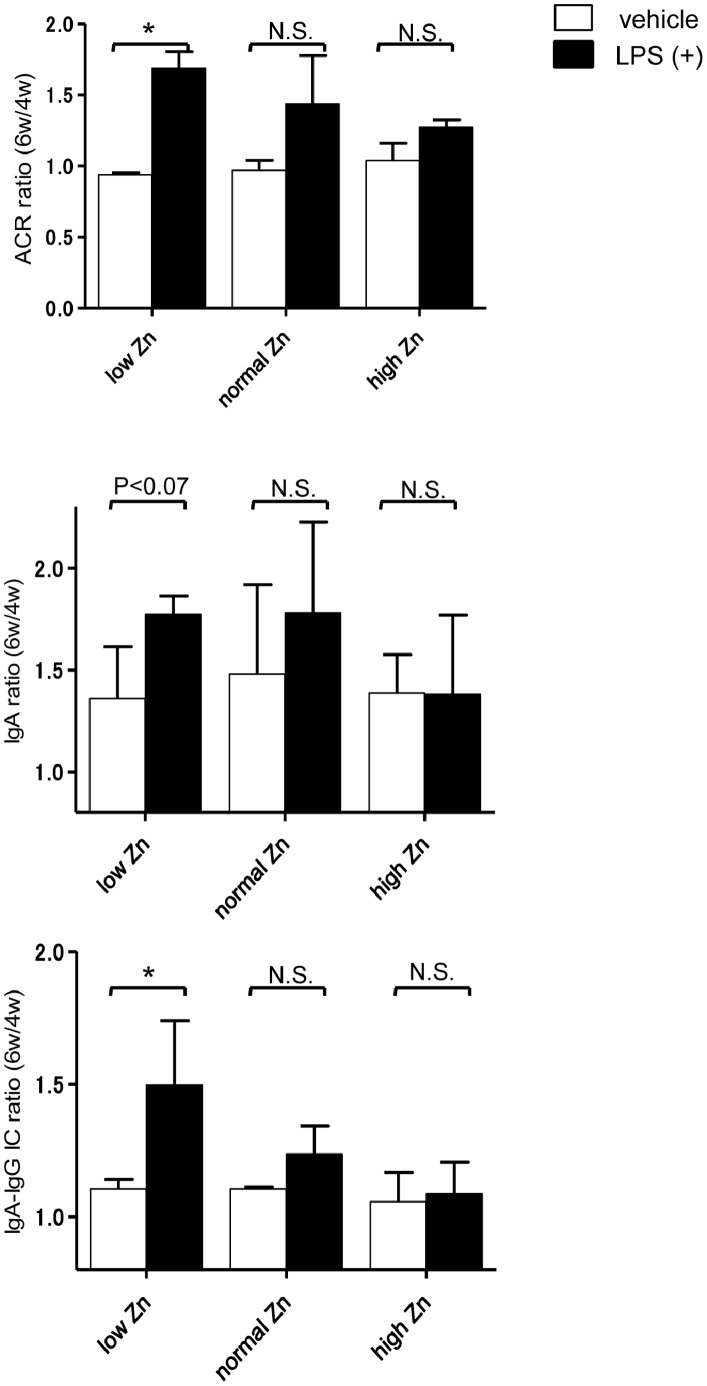
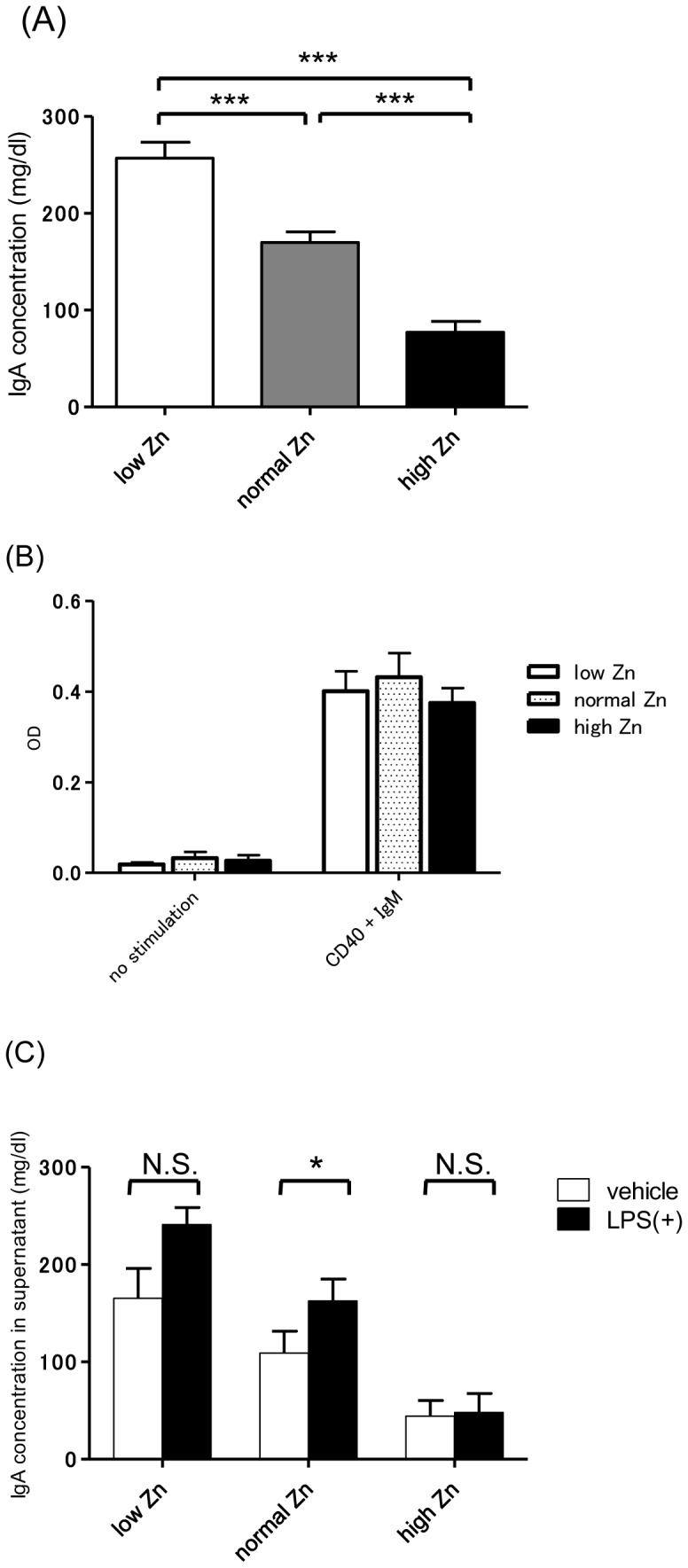
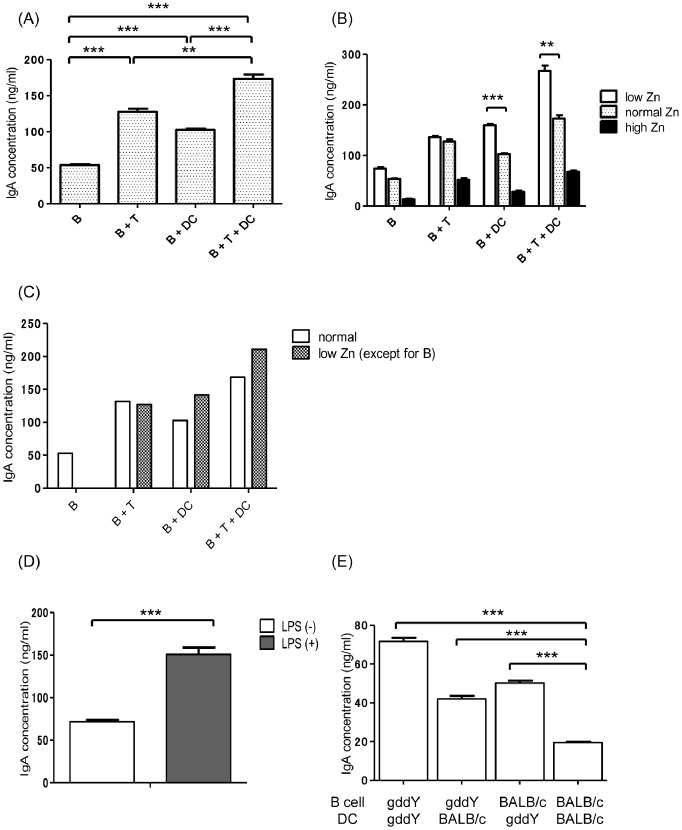
IgA nephropathy (IgAN) shows diverse epidemiological characteristics, resulting from both genetic and acquired (e.g., environmental) causes. Environmental factors, such as diet or exposure to exogenous antigens, may prescribe the progression or prognosis of IgAN. It remains unclear as to how diet and infection influence susceptibility to IgAN. A relationship, such as Toll-like receptors (TLRs), especially TLR9 and TLR4, was demonstrated between IgAN and pathogen-recognition molecules. Recently, zinc (Zn) was discovered to be involved in various immune-related diseases, affecting B, T, and dendritic cells (DCs). This study investigates the relationship between dietary Zn and IgAN development in IgAN-prone mice. Seven-week-old IgAN-prone mice were divided into low, normal, and high Zn diet groups. To assess exogenous pathogen-mediated immune responses, lipopolysaccharide (LPS) was nasally administered. The activity of IgAN was biochemically and pathologically evaluated during the disease course. We also examined in vitro IgA production in spleen cells or in combinations of cocultured B, T, and DCs under various Zn conditions with or without LPS. Dietary conditioning with Zn affected serum immunoglobulins and urinary albumin levels, and mesangial deposition of IgA and IgG. Zn deficiency is associated with IgAN progression through the activation of the TLR4/TIR-domain-containing adapter-inducing interferon-β (TRIF), but not the TLR9, in DCs. Zn supplementation prevented disease aggravation. Our findings indicate that immune conditioning with dietary Zn alters nephritogenic IgA production after mucosal infection.
IgA肾病(IgAN)呈现出多样的流行病学特征,这是由遗传和后天(如环境)因素共同导致的。环境因素,如饮食或接触外源性抗原,可能决定IgAN的进展或预后。饮食和感染如何影响IgAN的易感性仍不清楚。已证实IgAN与病原体识别分子之间存在一种关系,如Toll样受体(TLR),尤其是TLR9和TLR4。最近发现锌(Zn)参与各种免疫相关疾病,影响B细胞、T细胞和树突状细胞(DC)。本研究调查了饮食锌与IgAN易感性小鼠中IgAN发生发展之间的关系。将7周龄的IgAN易感性小鼠分为低锌、正常锌和高锌饮食组。为了评估外源性病原体介导的免疫反应,经鼻给予脂多糖(LPS)。在疾病过程中对IgAN的活性进行生化和病理评估。我们还在有或无LPS的各种锌条件下,检测了脾细胞或共培养的B细胞、T细胞和DC组合中体外IgA的产生。饮食锌调节影响血清免疫球蛋白和尿白蛋白水平,以及IgA和IgG的系膜沉积。锌缺乏通过激活DC中的TLR4/TIR结构域含接头诱导干扰素-β(TRIF)而非TLR9与IgAN进展相关。补充锌可预防疾病加重。我们的研究结果表明,饮食锌的免疫调节可改变黏膜感染后致肾炎性IgA的产生。