School of Biological Sciences, Monash University, Clayton, Victoria, Australia.
Public Health Virology, Forensic and Scientific Services, Department of Health, Archerfield, Queensland, Australia.
PLoS Negl Trop Dis. 2014 Feb 20;8(2):e2688. doi: 10.1371/journal.pntd.0002688. eCollection 2014 Feb.
Dengue is one of the most widespread mosquito-borne diseases in the world. The causative agent, dengue virus (DENV), is primarily transmitted by the mosquito Aedes aegypti, a species that has proved difficult to control using conventional methods. The discovery that A. aegypti transinfected with the wMel strain of Wolbachia showed limited DENV replication led to trial field releases of these mosquitoes in Cairns, Australia as a biocontrol strategy for the virus.
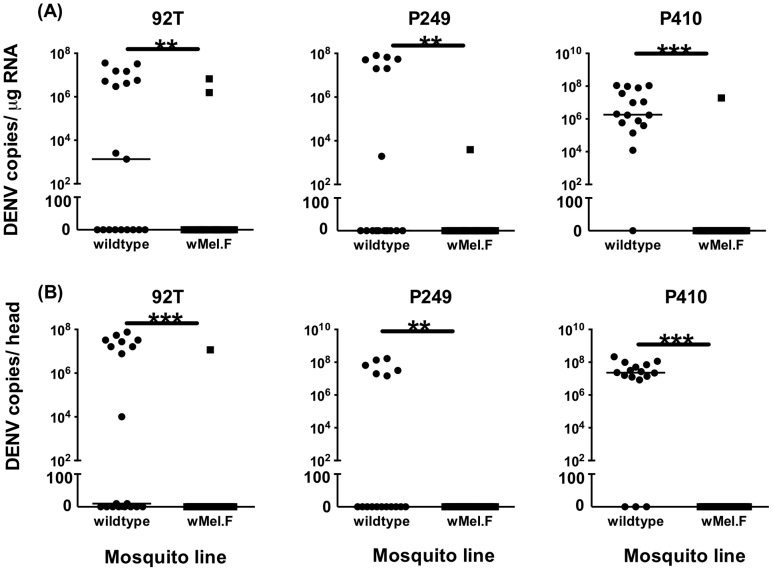
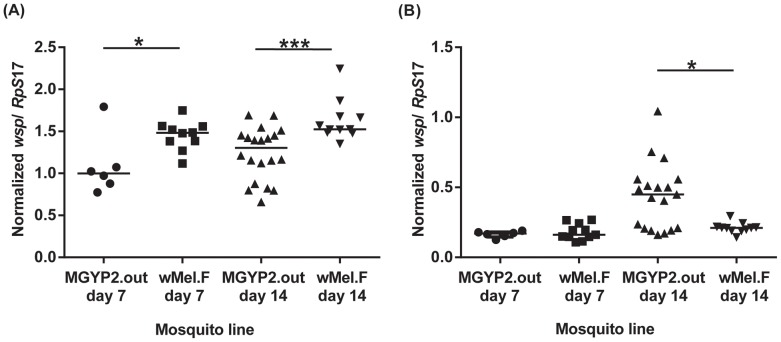
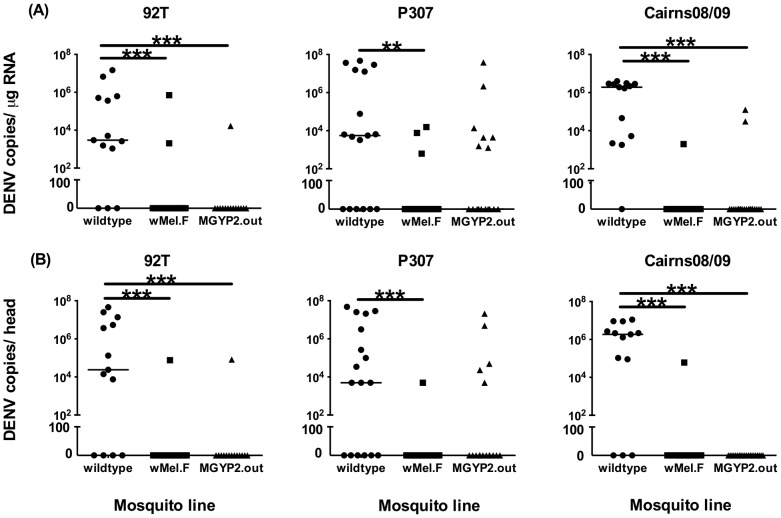
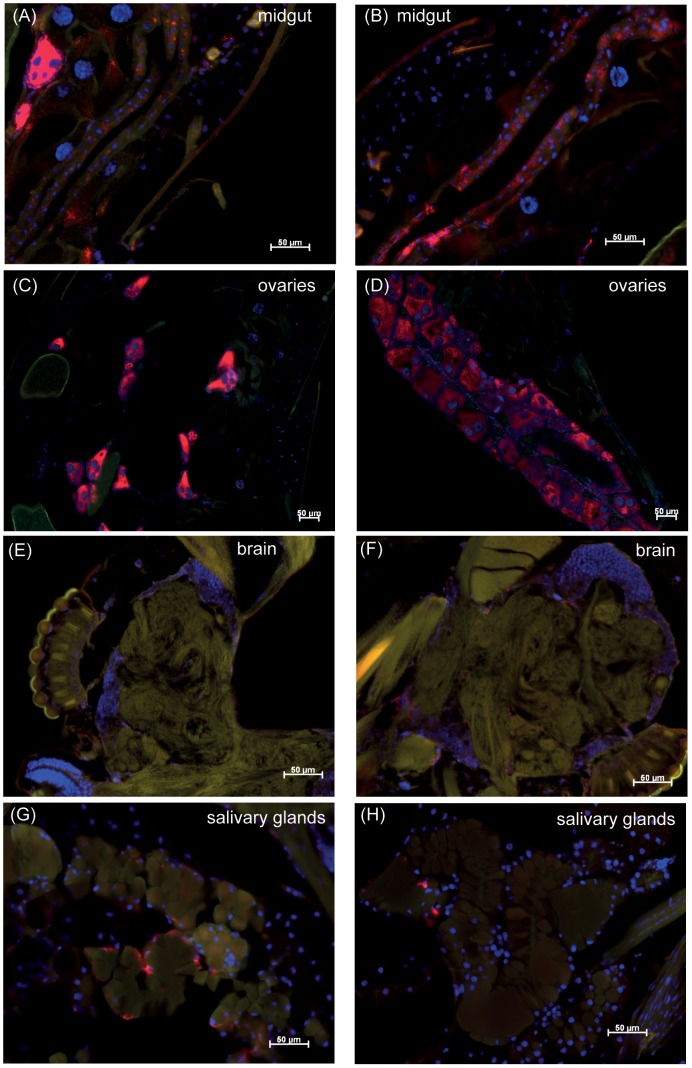
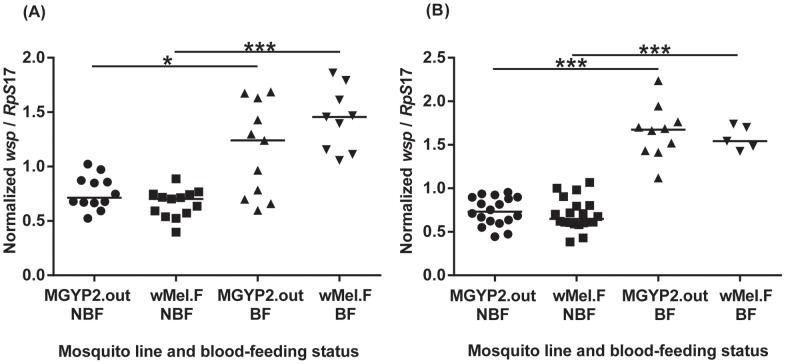
METHODOLOGY/PRINCIPAL FINDINGS: Field collected wMel mosquitoes that were challenged with three DENV serotypes displayed limited rates of body infection, viral replication and dissemination to the head compared to uninfected controls. Rates of dengue infection, replication and dissemination in field wMel mosquitoes were similar to those observed in the original transinfected wMel line that had been maintained in the laboratory. We found that wMel was distributed in similar body tissues in field mosquitoes as in laboratory ones, but, at seven days following blood-feeding, wMel densities increased to a greater extent in field mosquitoes.
CONCLUSIONS/SIGNIFICANCE: Our results indicate that virus-blocking is likely to persist in Wolbachia-infected mosquitoes after their release and establishment in wild populations, suggesting that Wolbachia biocontrol may be a successful strategy for reducing dengue transmission in the field.
登革热是世界上分布最广泛的蚊媒疾病之一。病原体登革病毒(DENV)主要由埃及伊蚊传播,而埃及伊蚊是一种难以用传统方法控制的物种。发现转染了 wMel 沃尔巴克氏体的埃及伊蚊对 DENV 的复制能力有限,这促使人们在澳大利亚凯恩斯进行了这些蚊子的田间释放试验,作为控制该病毒的生物控制策略。
方法/主要发现:与未感染的对照组相比,野外采集的感染 wMel 的蚊子在受到三种 DENV 血清型的挑战时,其身体感染、病毒复制和向头部传播的速度有限。与在实验室中维持的原始转染 wMel 系相比,野外 wMel 蚊子中的登革热感染、复制和传播率相似。我们发现 wMel 在野外蚊子中的分布与实验室中的蚊子相似,但在吸血后 7 天,wMel 的密度在野外蚊子中增加到更大的程度。
结论/意义:我们的结果表明,在沃尔巴克氏体感染的蚊子释放并在野外种群中建立后,病毒阻断可能会持续存在,这表明沃尔巴克氏体生物控制可能是减少野外登革热传播的一种成功策略。