Kong Xiangyi, Xu Xiaofeng, Yan Yuhua, Guo Feifei, Li Jian, Hu Yali, Zhou Huaijun, Xun Qingying
Department of Gynecology and Obstetrics, Nanjing Drum Tower Hospital Affiliated to Nanjing University Medical School, Nanjing, China.
Department of Gynecology and Obstetrics, Nanjing Drum Tower Hospital Affiliated to Nanjing University Medical School, Nanjing, China; Reproductive Medicine Center, Nanjing Drum Tower Hospital Affiliated to Nanjing University Medical School, Nanjing, China.
PLoS One. 2014 Mar 3;9(3):e90810. doi: 10.1371/journal.pone.0090810. eCollection 2014.
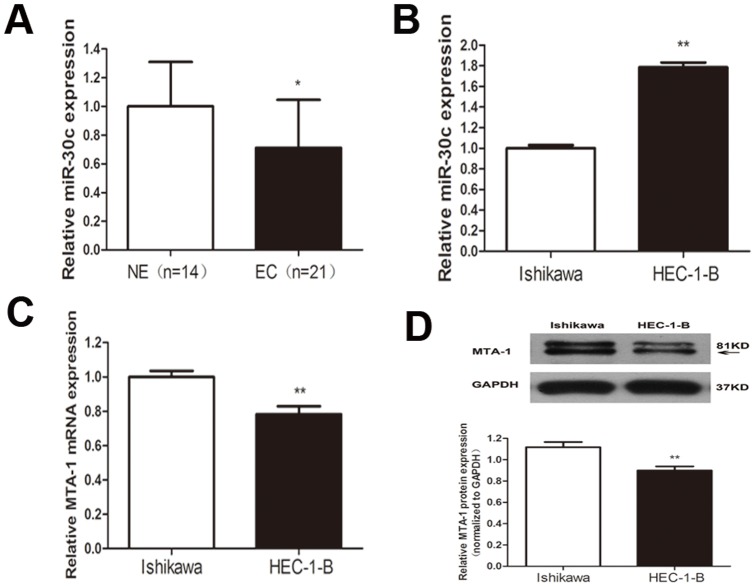
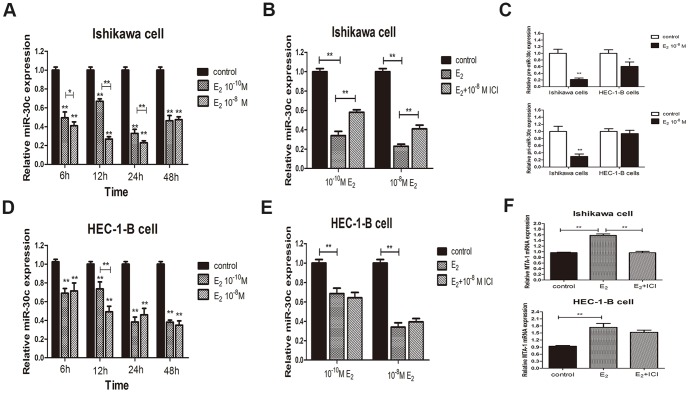
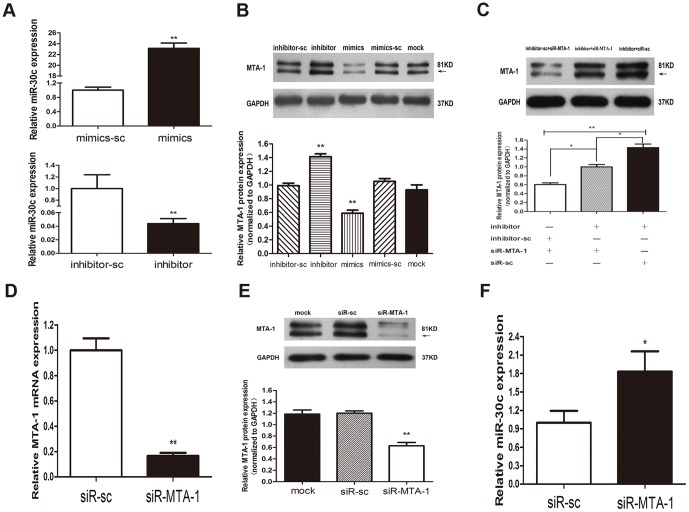
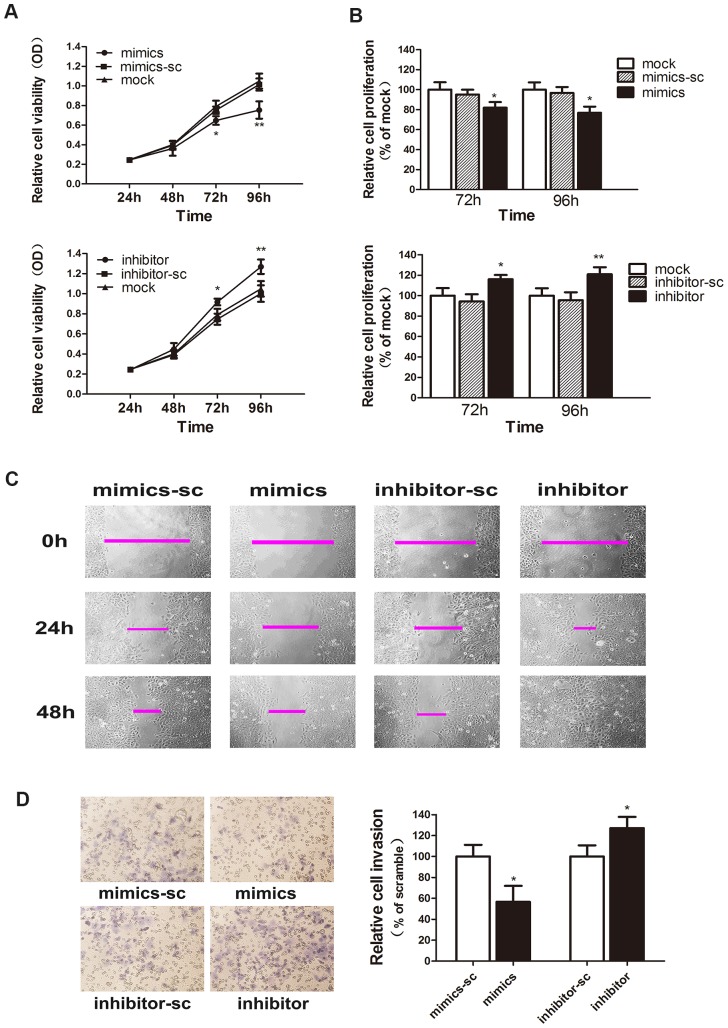
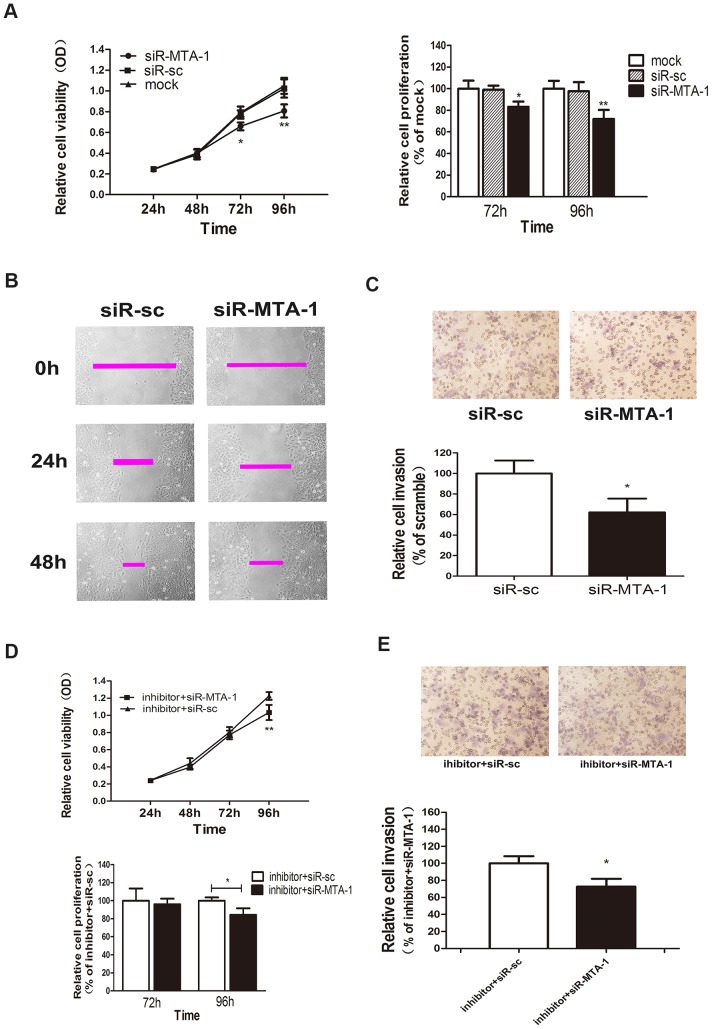
MicroRNA-30c (miR-30c) has been reported to be a tumour suppressor in endometrial cancer (EC). We demonstrate that miR-30c is down-regulated in EC tissue and is highly expressed in estrogen receptor (ER)-negative HEC-1-B cells. MiR-30c directly inhibits MTA-1 expression and functions as a tumour suppressor via the miR-30c-MTA-1 signalling pathway. Furthermore, miR-30c is decreased upon E2 treatment in both ER-positive Ishikawa and ER-negative HEC-1-B cells. Taken together, our results suggest that miR-30c is an important deregulated miRNA in EC and might serve as a potential biomarker and novel therapeutic target for EC.
据报道,微小RNA-30c(miR-30c)在子宫内膜癌(EC)中是一种肿瘤抑制因子。我们证明,miR-30c在EC组织中表达下调,而在雌激素受体(ER)阴性的HEC-1-B细胞中高表达。miR-30c直接抑制MTA-1的表达,并通过miR-30c-MTA-1信号通路发挥肿瘤抑制作用。此外,在雌激素(E2)处理后,ER阳性的 Ishikawa细胞和ER阴性的HEC-1-B细胞中的miR-30c均减少。综上所述,我们的结果表明,miR-30c是EC中一种重要的失调微小RNA,可能作为EC的潜在生物标志物和新型治疗靶点。