Sekharappa Vijay, Amritanand Rohit, Krishnan Venkatesh, David Kenny Samuel
Spinal Disorder Sugery Unit, Department of Orthopaedics, Christian Medical College, Vellore, India.
Asian Spine J. 2014 Feb;8(1):51-8. doi: 10.4184/asj.2014.8.1.51. Epub 2014 Feb 6.
Retrospective analysis of radiological images.
To determine the prevalence of lumbosacral transition vertebra (LSTV) and to study its significance with respect to clinically significant spinal symptoms, disc degeneration and herniation.
LSTV is the most common congenital anomaly of the lumbosacral spine. The prevalence has been debated to vary between 7% and 30%, and its relationship to back pain, disc degeneration and herniation has also not been established.
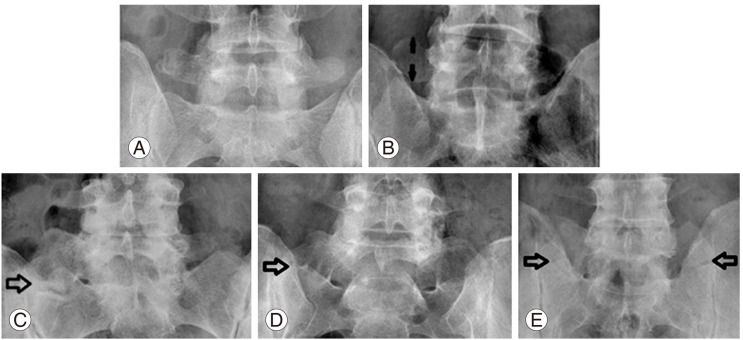
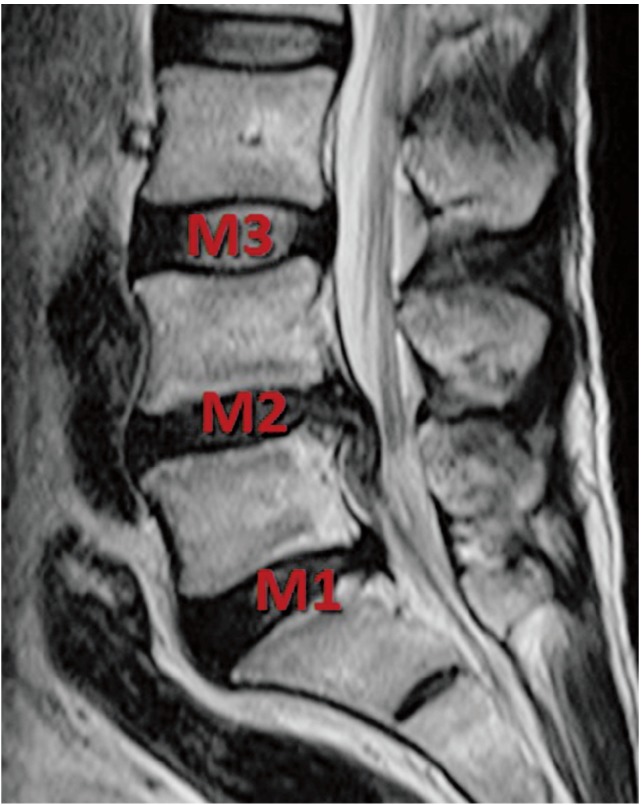
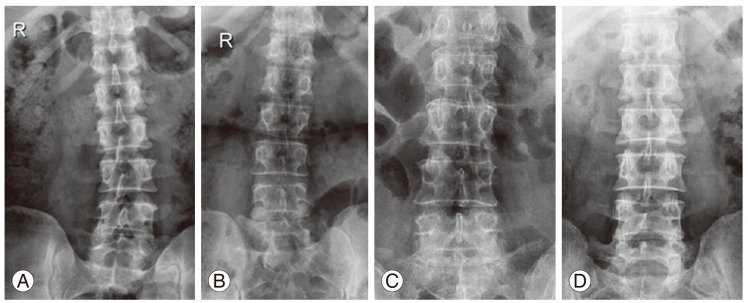
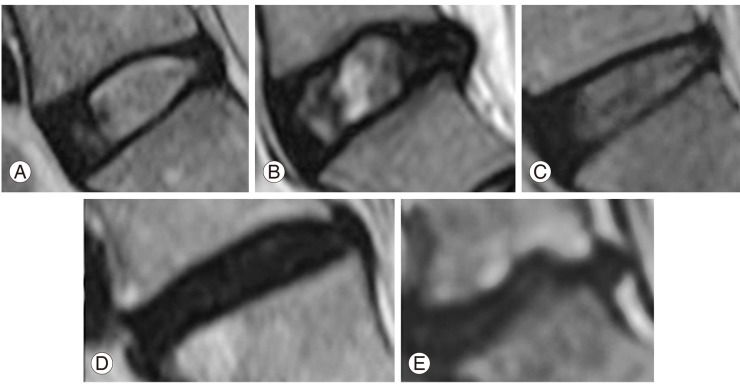
The study involved examining the radiological images of 3 groups of patients. Group A consisted of kidney urinary bladder (KUB) X-rays of patients attending urology outpatient clinic. Group B consisted of X-rays with or without magnetic resonance images (MRIs) of patients at-tending a spine outpatient clinic, and group C consisted of X-rays and MRI of patients who had undergone surgery for lumbar disc herniation. One thousand patients meeting the inclusion criteria were selected to be in each group. LSTV was classified by Castellvi's classification and disc degeneration was assessed by Pfirrmann's grading on MRI scans.
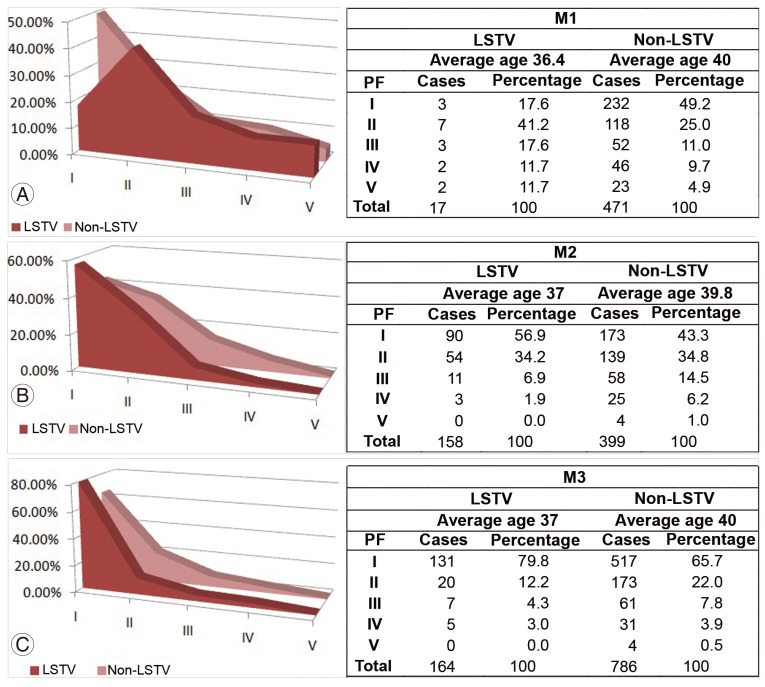
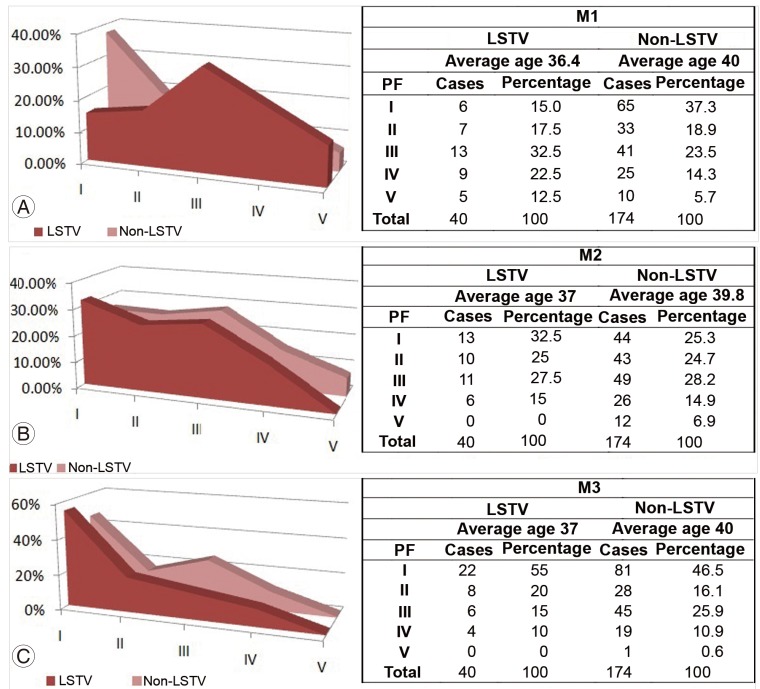
The prevalence of LSTV among urology outpatients, spine outpatients and discectomy patients was 8.1%, 14%, and 16.9% respectively. LSTV patients showed a higher Pfirrmann's grade of degeneration of the last mobile disc. Results were found to be significant statistically.
The prevalence of LSTV in spinal outpatients and discectomy patients was significantly higher as compared to those attending the urology outpatient clinic. There was a definite causal relationship between the transitional vertebra and the degeneration of the disc immediately cephalad to it.
对放射影像进行回顾性分析。
确定腰骶移行椎(LSTV)的患病率,并研究其与具有临床意义的脊柱症状、椎间盘退变和突出的相关性。
LSTV是腰骶椎最常见的先天性异常。其患病率在7%至30%之间存在争议,并且其与背痛、椎间盘退变和突出的关系也尚未明确。
该研究涉及检查3组患者的放射影像。A组由泌尿外科门诊患者的腹部平片组成。B组由脊柱门诊患者的X线片(有或无磁共振成像[MRI])组成,C组由接受腰椎间盘突出症手术患者的X线片和MRI组成。每组选取1000名符合纳入标准的患者。LSTV采用Castellvi分类法进行分类,椎间盘退变通过MRI扫描的Pfirrmann分级进行评估。
泌尿外科门诊患者、脊柱门诊患者和椎间盘切除术患者中LSTV的患病率分别为8.1%、14%和16.9%。LSTV患者最后一个活动椎间盘的退变Pfirrmann分级更高。结果具有统计学意义。
与泌尿外科门诊患者相比,脊柱门诊患者和椎间盘切除术患者中LSTV的患病率显著更高。移行椎与其紧邻头侧的椎间盘退变之间存在明确的因果关系。