Zimbone Massimo, Baeri Pietro, Calcagno Lucia, Musumeci Paolo, Contino Annalinda, Barcellona Maria Luisa, Bonaventura Gabriele
Dipartimento di Fisica ed Astronomia, University of Catania, Catania, Italy.
Dipartimento di Scienze Chimiche, University of Catania, Catania, Italy.
PLoS One. 2014 Mar 13;9(3):e89048. doi: 10.1371/journal.pone.0089048. eCollection 2014.
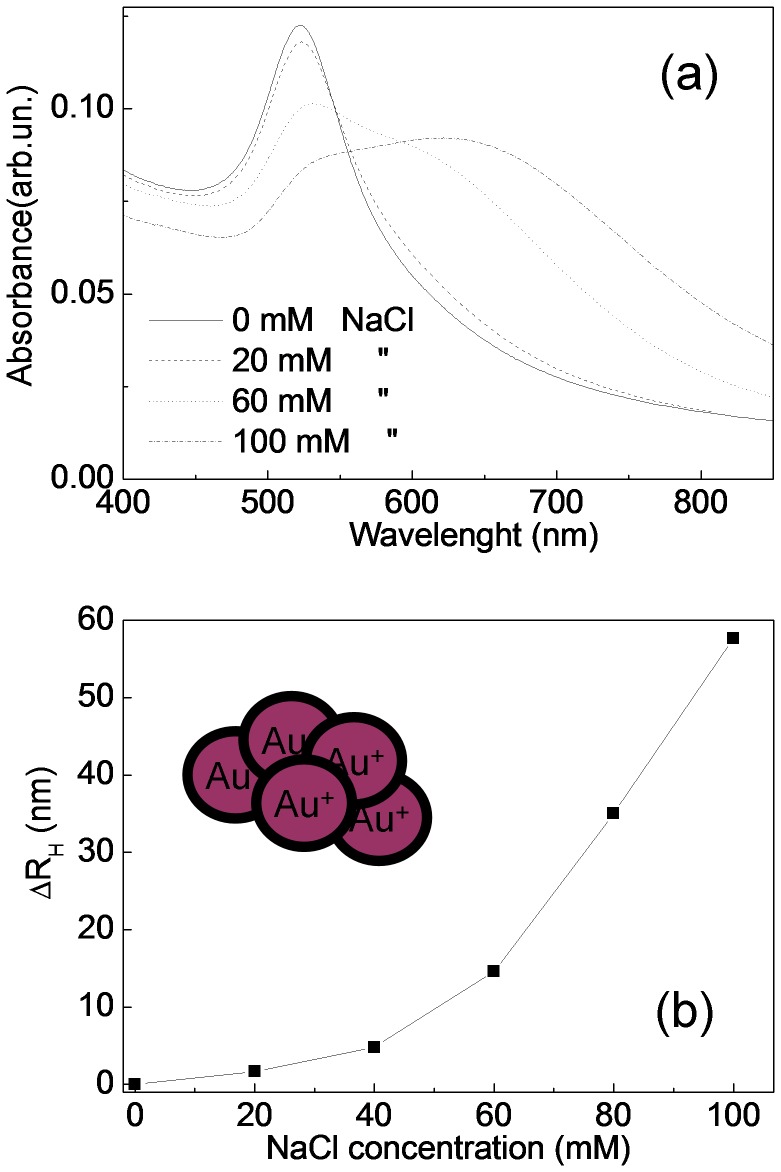
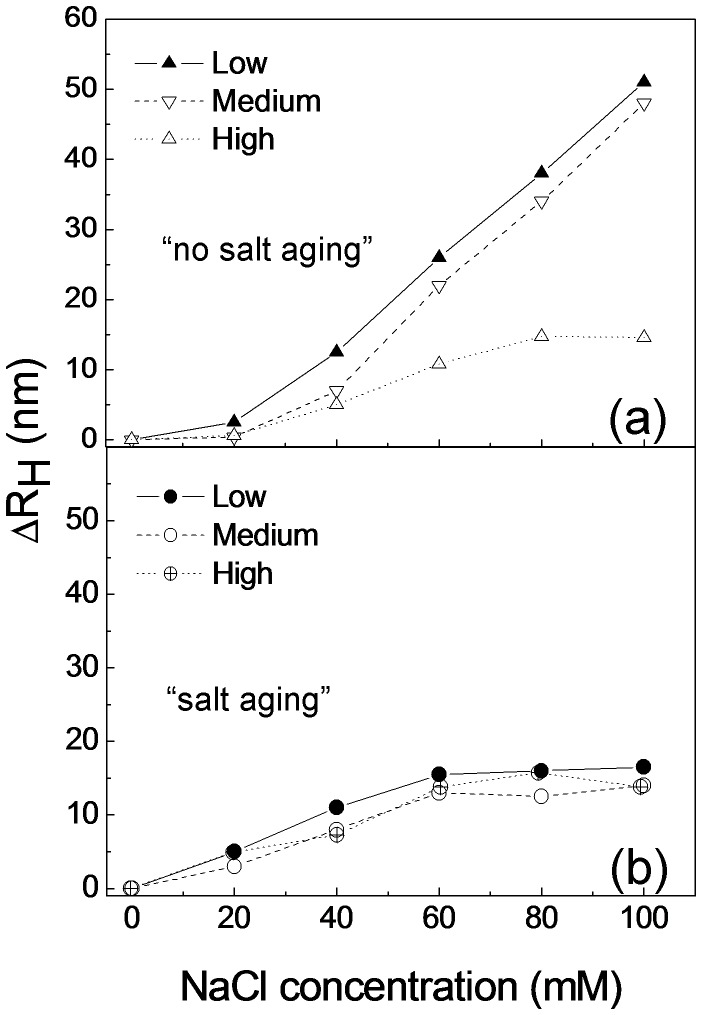
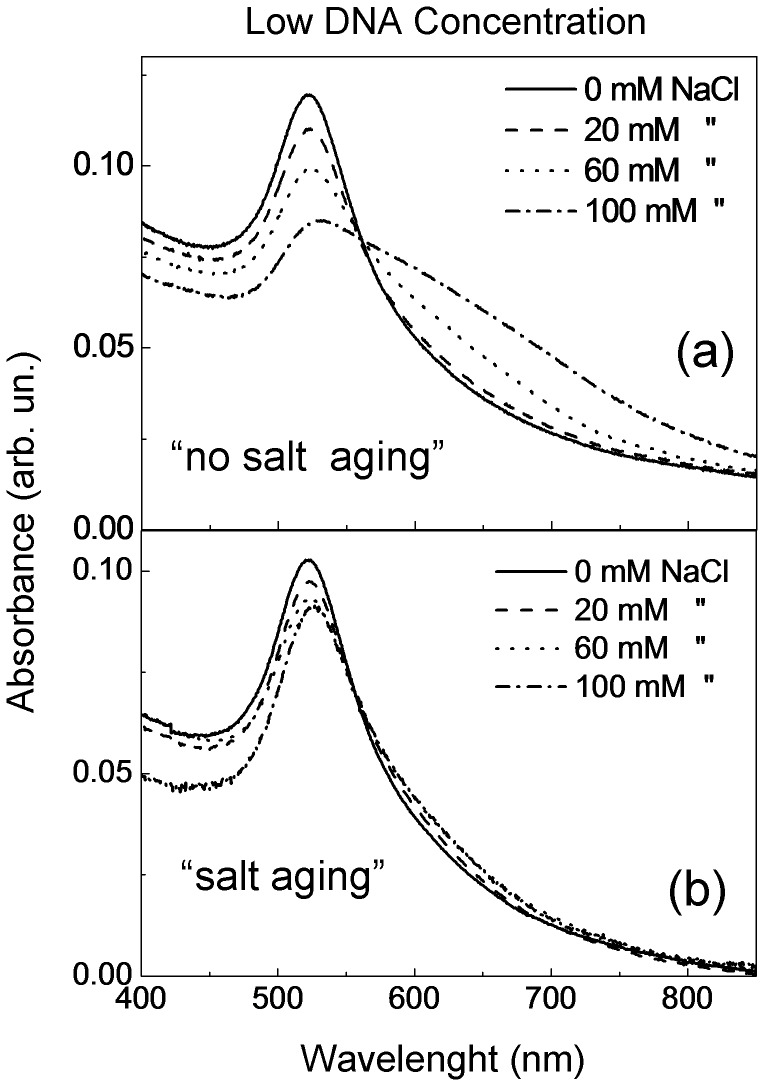
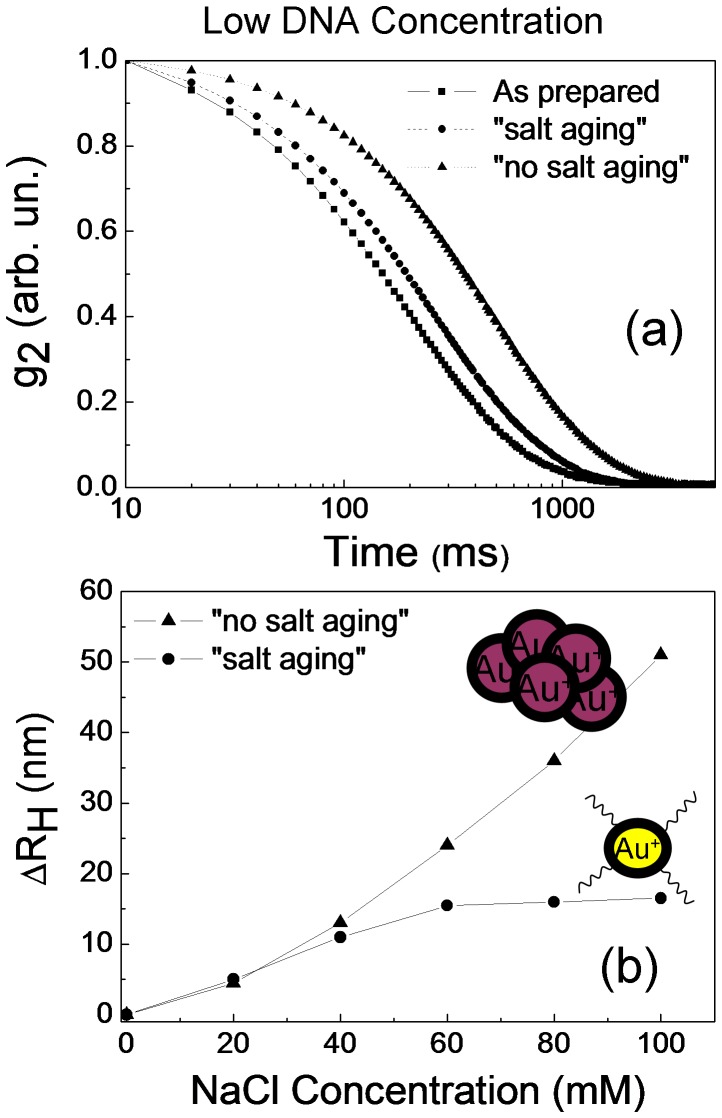
Gold nanoparticles (AuNPs) conjugated to DNA are widely used for biomedical targeting and sensing applications. DNA functionalization is easily reached on laser generated gold nanoparticles because of their unique surface chemistry, not reproducible by other methods. In this context, we present an extensive investigation concerning the attachment of DNA to the surface of laser generated nanoparticles using Dynamic Light Scattering and UV-Vis spectroscopy. The DNA conjugation is highlighted by the increase of the hydrodynamic radius and by the UV-Vis spectra behavior. Our investigation indicates that Dynamic Light Scattering is a suitable analytical tool to evidence, directly and qualitatively, the binding between a DNA molecule and a gold nanoparticle, therefore it is ideal to monitor changes in the conjugation process when experimental conditions are varied.
与DNA共轭的金纳米颗粒(AuNPs)被广泛用于生物医学靶向和传感应用。由于激光产生的金纳米颗粒具有独特的表面化学性质,DNA功能化很容易在其上实现,而其他方法无法复制这种性质。在此背景下,我们使用动态光散射和紫外可见光谱对DNA附着在激光产生的纳米颗粒表面进行了广泛研究。DNA共轭通过流体动力学半径的增加和紫外可见光谱行为得以凸显。我们的研究表明,动态光散射是一种合适的分析工具,可直接定性地证明DNA分子与金纳米颗粒之间的结合,因此在实验条件变化时,它是监测共轭过程变化的理想工具。