Department of Parasitology, Faculty of Medicine, University of Colombo, Colombo, Sri Lanka.
Malar J. 2014 Mar 15;13:98. doi: 10.1186/1475-2875-13-98.
Individuals with fever are screened for malaria in specially-established malaria diagnostic laboratories set up in rural hospitals in the Northern and Eastern Provinces of Sri Lanka. Large numbers of blood smears negative for malaria parasites are being screened daily. Good quality smears are essential to maintain a high diagnostic competency among the technical staff. The modifications made to the World Health Organization (WHO) standard operating procedures to improve the quality of smears have been studied.
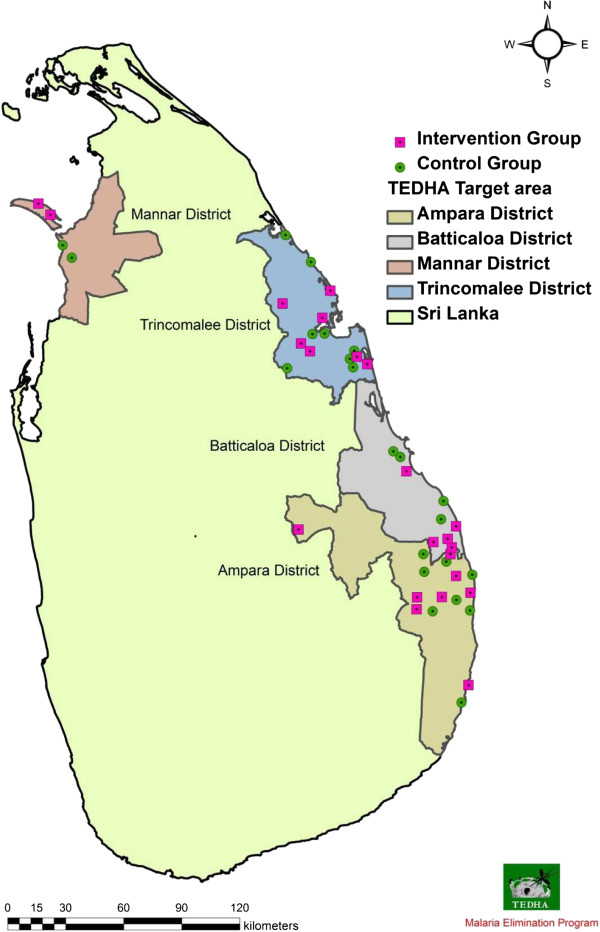
A blinded, controlled, interventional study was conducted in 22 intervention and 21 control malaria diagnostic laboratories. Changes were made to the WHO standard operating procedure protocols to prepare, stain and examine blood smears for malaria parasite detection which were implemented in intervention laboratories. These included wipe-cleaning slides, preparing both thick and thin smears on the same slide, reversing the order of collecting blood for thick and thin smears, dry fixing thick smear for 20-25 minutes under table lamp, polishing the edge of spreader slide with sand paper and fixing the thin smear with methanol if not stained within four hours. Parameters with respect to quality of the smear as per WHO criteria were studied using randomly selected slides, and time taken for the report to be issued was recorded in both groups before and after the intervention.
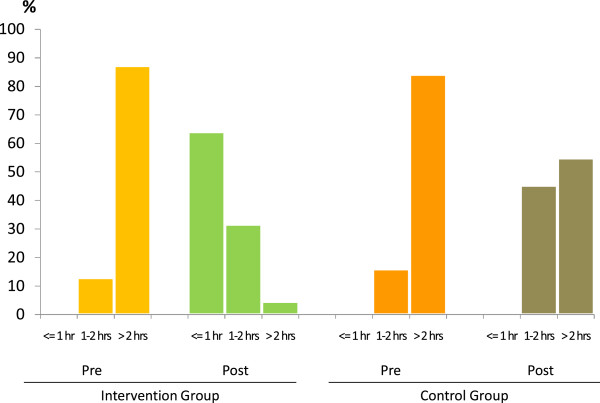
There were no significant differences observed in the parameters studied at baseline between the two groups or pre and post intervention in the control group. In the intervention group streak formation in thin smears was reduced from 29.4% to 5.0%. The average fixing time of thick smears was reduced from 2.4 hours to 20 minutes. Inappropriate thickness of thick smears reduced from 18.3% to 1.5%. Overall quality of thick smears and thin smears increased from 76.1% to 98.0% and 81.7% to 87.0%, respectively. The quality of slides bearing both thick and thin smears increased from 60.0% to 87.0%.
New protocols with amendments to the WHO standard technical procedures ensure that good quality blood smears are prepared rapidly to diagnose malaria and the time required to issue the reports was reduced.
在斯里兰卡北部和东部省份的农村医院专门设立的疟疾诊断实验室中,对发热个体进行疟疾筛查。每天都要筛查大量疟原虫阴性的血涂片。高质量的涂片对于维持技术人员的高诊断能力至关重要。已经研究了对世界卫生组织(世卫组织)标准操作程序进行修改以提高涂片质量的方法。
在 22 个干预和 21 个对照疟疾诊断实验室中进行了一项盲法、对照、干预研究。对世卫组织标准操作程序进行了修改,以准备、染色和检查用于疟疾寄生虫检测的血涂片,这些修改在干预实验室中实施。其中包括擦拭幻灯片、在同一张幻灯片上同时制备厚涂片和薄涂片、颠倒收集厚涂片和薄涂片的血液的顺序、在台灯下将厚涂片干燥固定 20-25 分钟、用砂纸打磨涂片器的边缘,如果在四小时内未染色,则用甲醇固定薄涂片。根据世卫组织标准,使用随机选择的幻灯片研究了与涂片质量相关的参数,并记录了干预前后两组的报告发布时间。
在两组之间或对照组的干预前后,在研究的参数方面,基线时没有观察到显著差异。在干预组中,薄涂片上的条纹形成从 29.4%减少到 5.0%。厚涂片的平均固定时间从 2.4 小时减少到 20 分钟。厚涂片的不当厚度从 18.3%减少到 1.5%。厚涂片和薄涂片的总体质量从 76.1%增加到 98.0%和 81.7%增加到 87.0%,厚和薄涂片的质量从 60.0%增加到 87.0%。
世卫组织标准技术程序的修订新方案确保快速制备高质量的血涂片以诊断疟疾,并且减少了报告的发布时间。