Liao Cheng Zhu, Wong Hoi Man, Yeung Kelvin Wai Kwok, Tjong Sie Chin
Department of Materials Science and Engineering, South University of Science and Technology of China, Shenzhen, People's Republic of China ; Department of Physics and Materials Science, City University of Hong Kong, Hong Kong.
Department of Orthopedics and Traumatology, Li Ka Shing Faculty of Medicine, University of Hong Kong, Hong Kong.
Int J Nanomedicine. 2014 Mar 11;9:1299-310. doi: 10.2147/IJN.S58332. eCollection 2014.
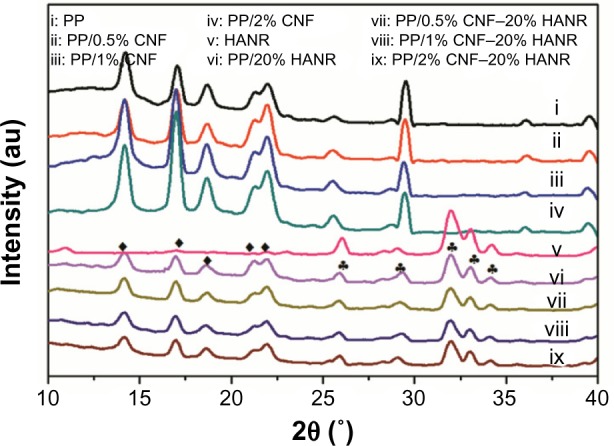
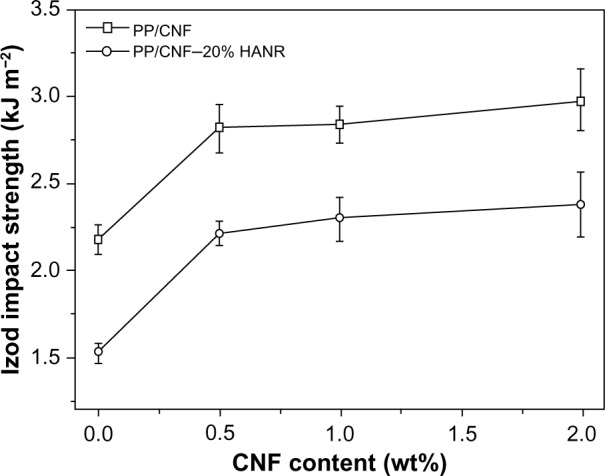
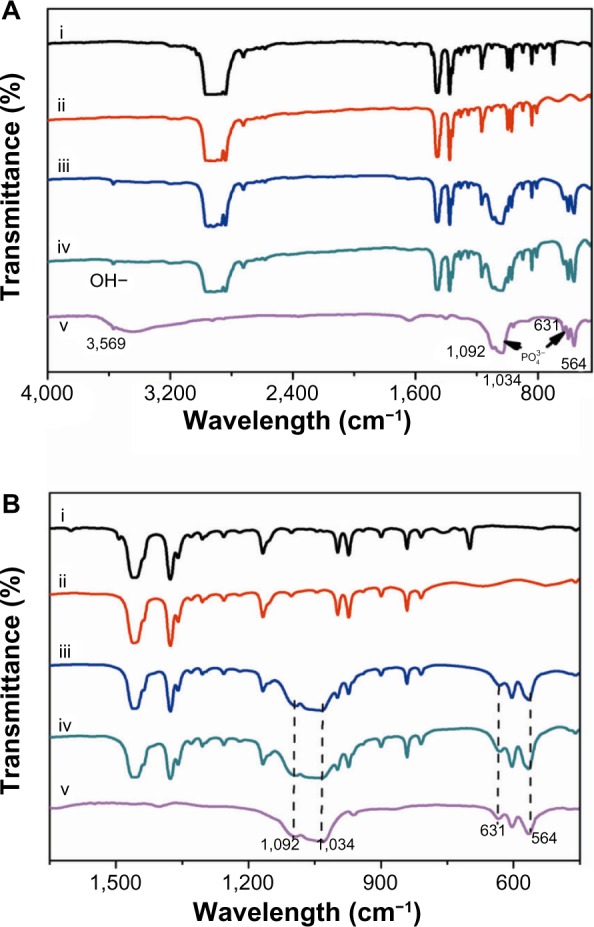
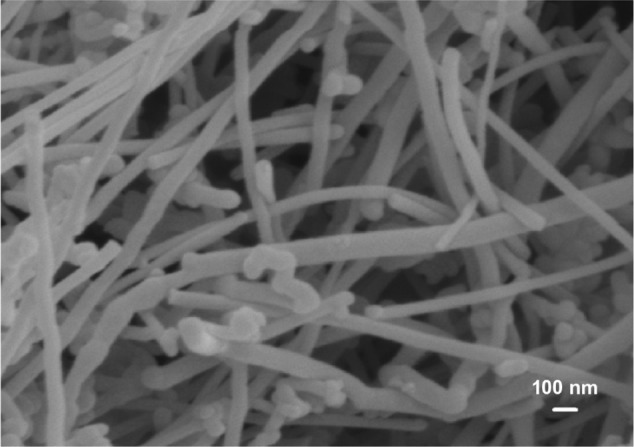
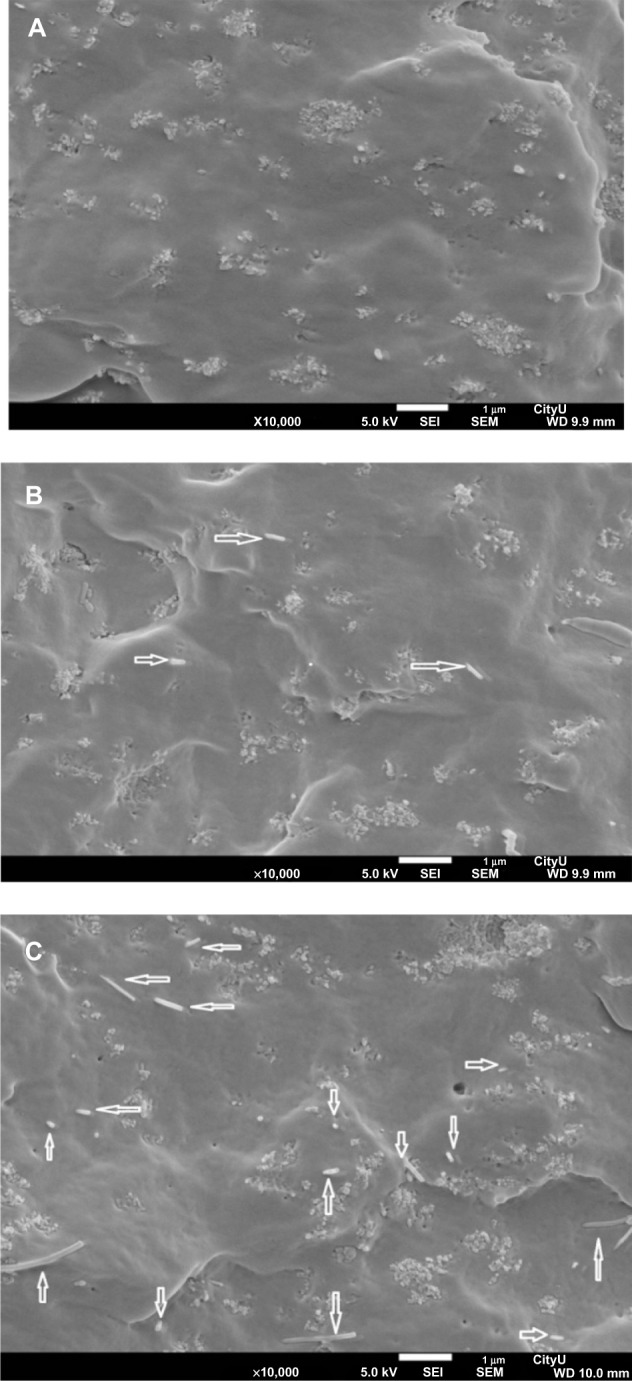
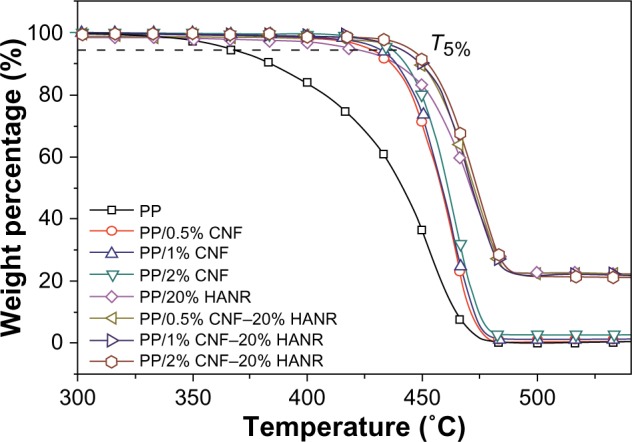
This study focuses on the design, fabrication, microstructural and property characterization, and biocompatibility evaluation of polypropylene (PP) reinforced with carbon nanofiber (CNF) and hydroxyapatite nanorod (HANR) fillers. The purpose is to develop advanced PP/CNF-HANR hybrids with good mechanical behavior, thermal stability, and excellent biocompatibility for use as craniofacial implants in orthopedics. Several material-examination techniques, including X-ray diffraction, Fourier-transform infrared spectroscopy, scanning electron microscopy, thermogravimetric analysis, differential scanning calorimetry, tensile tests, and impact measurement are used to characterize the microstructural, mechanical, and thermal properties of the hybrids. Furthermore, osteoblastic cell cultivation and colorimetric assay are also employed for assessing their viability on the composites. The CNF and HANR filler hybridization yields an improvement in Young's modulus, impact strength, thermal stability, and biocompatibility of PP. The PP/2% CNF-20% HANR hybrid composite is found to exhibit the highest elastic modulus, tensile strength, thermal stability, and biocompatibility.
本研究聚焦于用碳纳米纤维(CNF)和羟基磷灰石纳米棒(HANR)填料增强的聚丙烯(PP)的设计、制造、微观结构与性能表征以及生物相容性评估。目的是开发具有良好力学性能、热稳定性和优异生物相容性的先进PP/CNF-HANR杂化材料,用作骨科颅面植入物。采用了多种材料检测技术,包括X射线衍射、傅里叶变换红外光谱、扫描电子显微镜、热重分析、差示扫描量热法、拉伸试验和冲击测量,以表征杂化材料的微观结构、力学和热性能。此外,还采用成骨细胞培养和比色法评估其在复合材料上的活力。CNF和HANR填料的杂化提高了PP的杨氏模量、冲击强度、热稳定性和生物相容性。发现PP/2% CNF-20% HANR杂化复合材料具有最高的弹性模量、拉伸强度、热稳定性和生物相容性。