Department of Plant Sciences, University of Oxford, South Parks Road, Oxford OX1 3RB, UK.
BMC Genomics. 2014 Mar 22;15:224. doi: 10.1186/1471-2164-15-224.
Oligonucleotide microarray-based comparative genomic hybridization (CGH) offers an attractive possible route for the rapid and cost-effective genome-wide discovery of deletion mutations. CGH typically involves comparison of the hybridization intensities of genomic DNA samples with microarray chip representations of entire genomes, and has widespread potential application in experimental research and medical diagnostics. However, the power to detect small deletions is low.
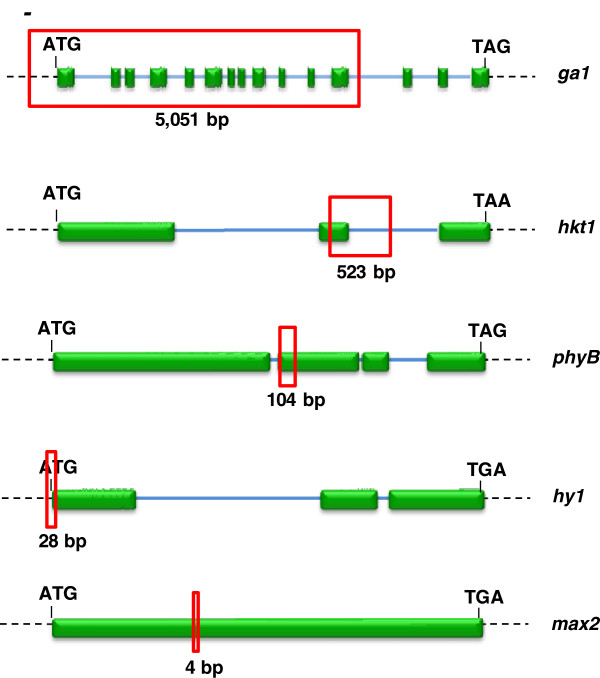
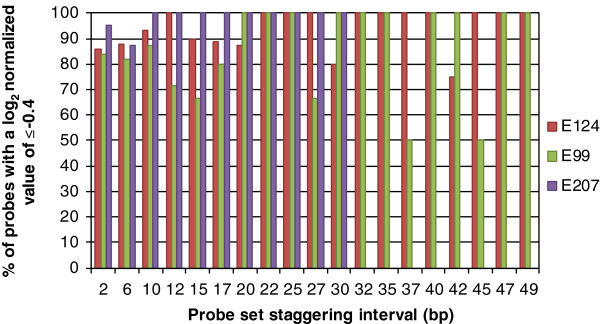
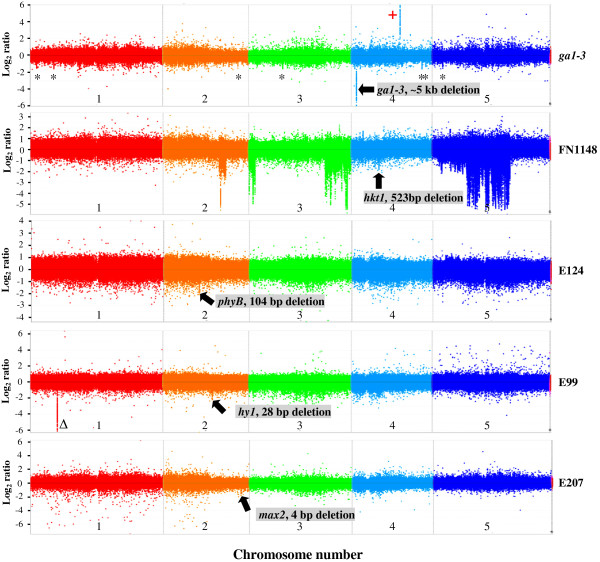
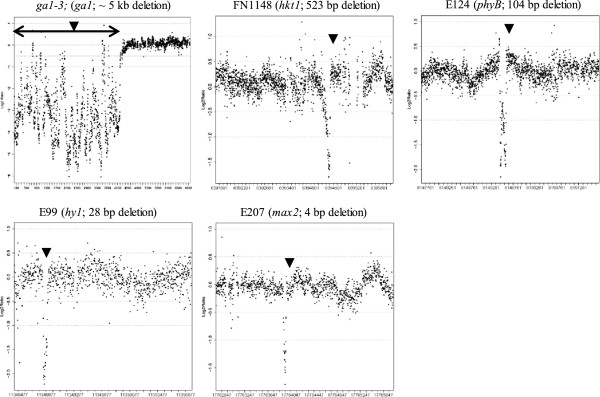
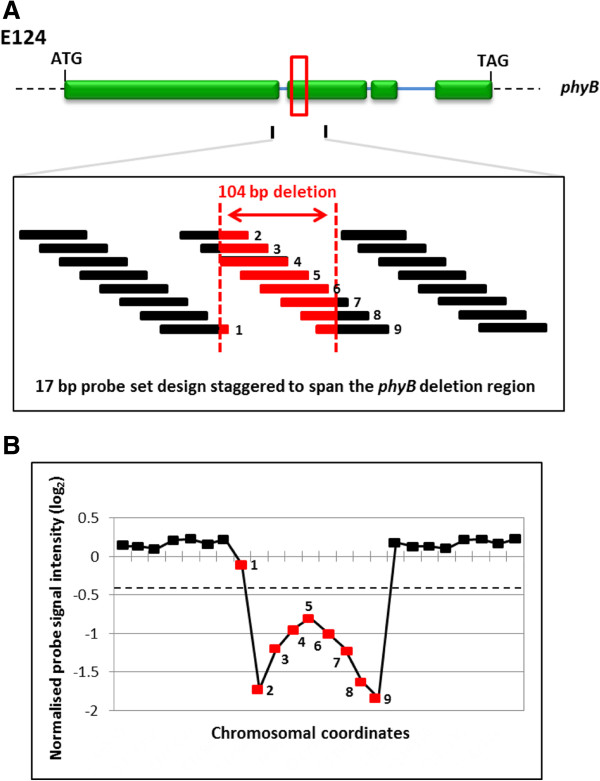
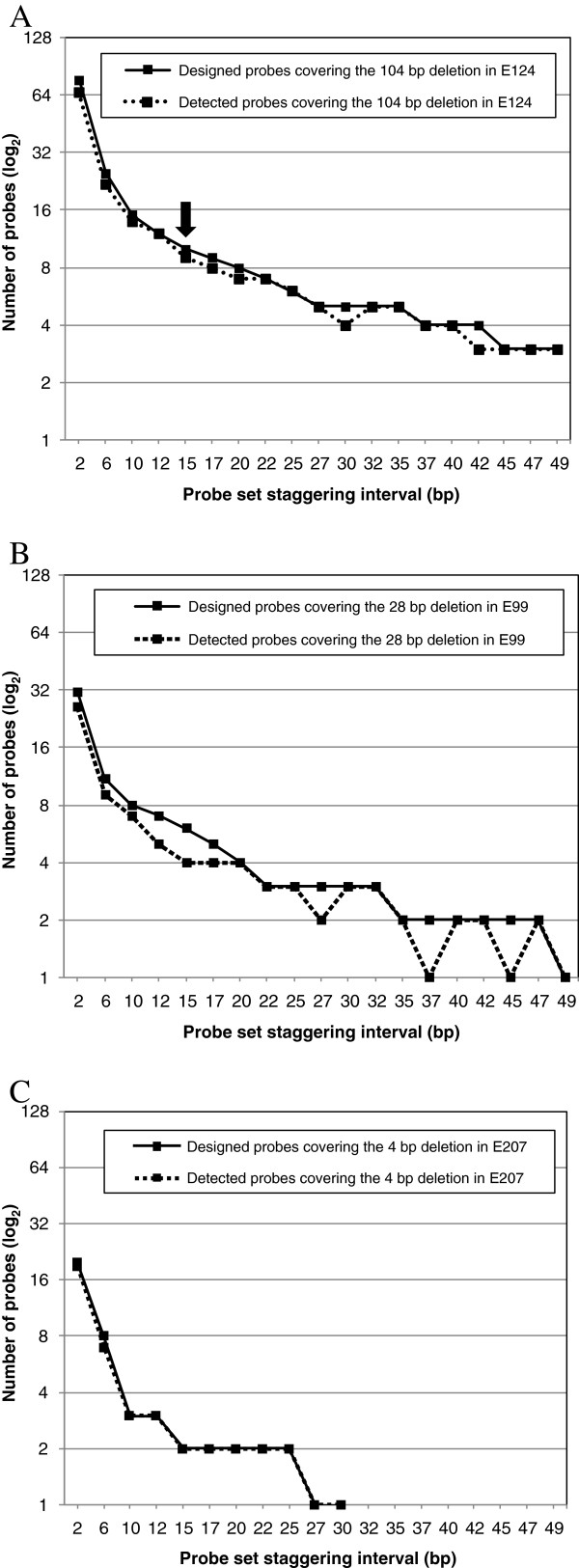
Here we use a graduated series of Arabidopsis thaliana genomic deletion mutations (of sizes ranging from 4 bp to ~5 kb) to optimize CGH-based genomic deletion detection. We show that the power to detect smaller deletions (4, 28 and 104 bp) depends upon oligonucleotide density (essentially the number of genome-representative oligonucleotides on the microarray chip), and determine the oligonucleotide spacings necessary to guarantee detection of deletions of specified size.
Our findings will enhance a wide range of research and clinical applications, and in particular will aid in the discovery of genomic deletions in the absence of a priori knowledge of their existence.
寡核苷酸微阵列比较基因组杂交 (CGH) 为快速且具有成本效益的全基因组缺失突变提供了有吸引力的可能途径。CGH 通常涉及基因组 DNA 样本与整个基因组微阵列芯片表示的杂交强度比较,并且在实验研究和医学诊断中有广泛的潜在应用。然而,检测小缺失的能力较低。
在这里,我们使用一系列梯度的拟南芥基因组缺失突变(大小从 4 个碱基到约 5 kb)来优化基于 CGH 的基因组缺失检测。我们表明,检测较小缺失(4、28 和 104 bp)的能力取决于寡核苷酸密度(本质上是微阵列芯片上代表基因组的寡核苷酸数量),并确定了保证检测指定大小缺失所需的寡核苷酸间隔。
我们的发现将增强广泛的研究和临床应用,特别是将有助于在没有先验知识的情况下发现基因组缺失。