Key Laboratory of Carcinogenesis and Translational Research (Ministry of Education), Department of Biochemistry and Molecular Biology, Peking University Health Science Center, Beijing, China.
Key Laboratory of Carcinogenesis and Translational Research (Ministry of Education), Department of Biochemistry and Molecular Biology, Peking University Health Science Center, Beijing, China; 2011 Collaborative Innovation Center of Tianjin for Medical Epigenetics, Tianjin Key Laboratory of Medical Epigenetics, Department of Biochemistry and Molecular Biology, Tianjin Medical University, Tianjin, China.
PLoS Biol. 2014 Mar 25;12(3):e1001819. doi: 10.1371/journal.pbio.1001819. eCollection 2014 Mar.
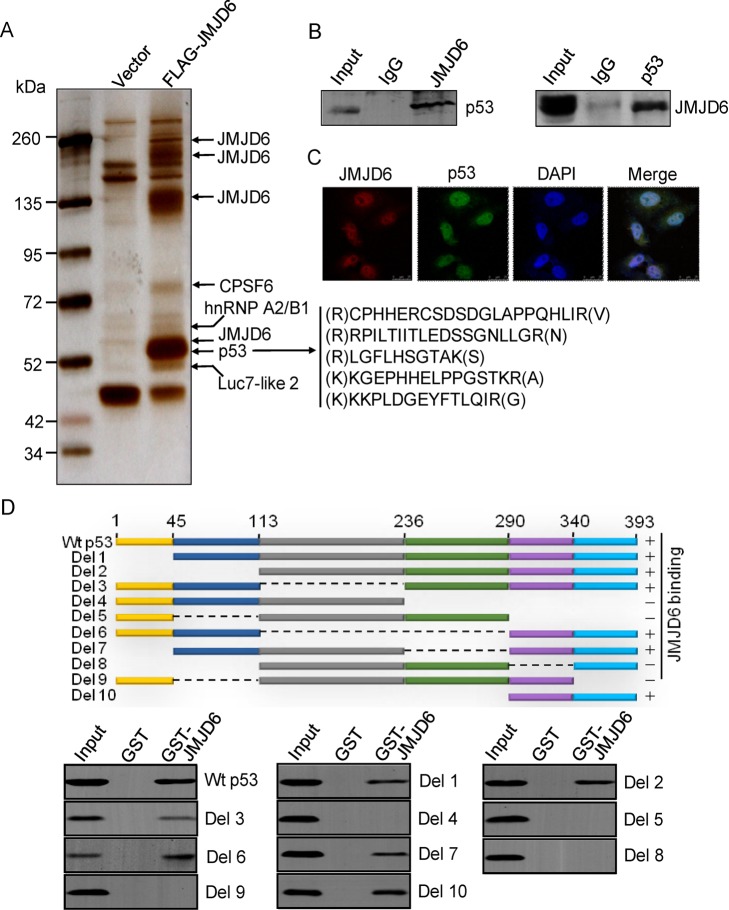
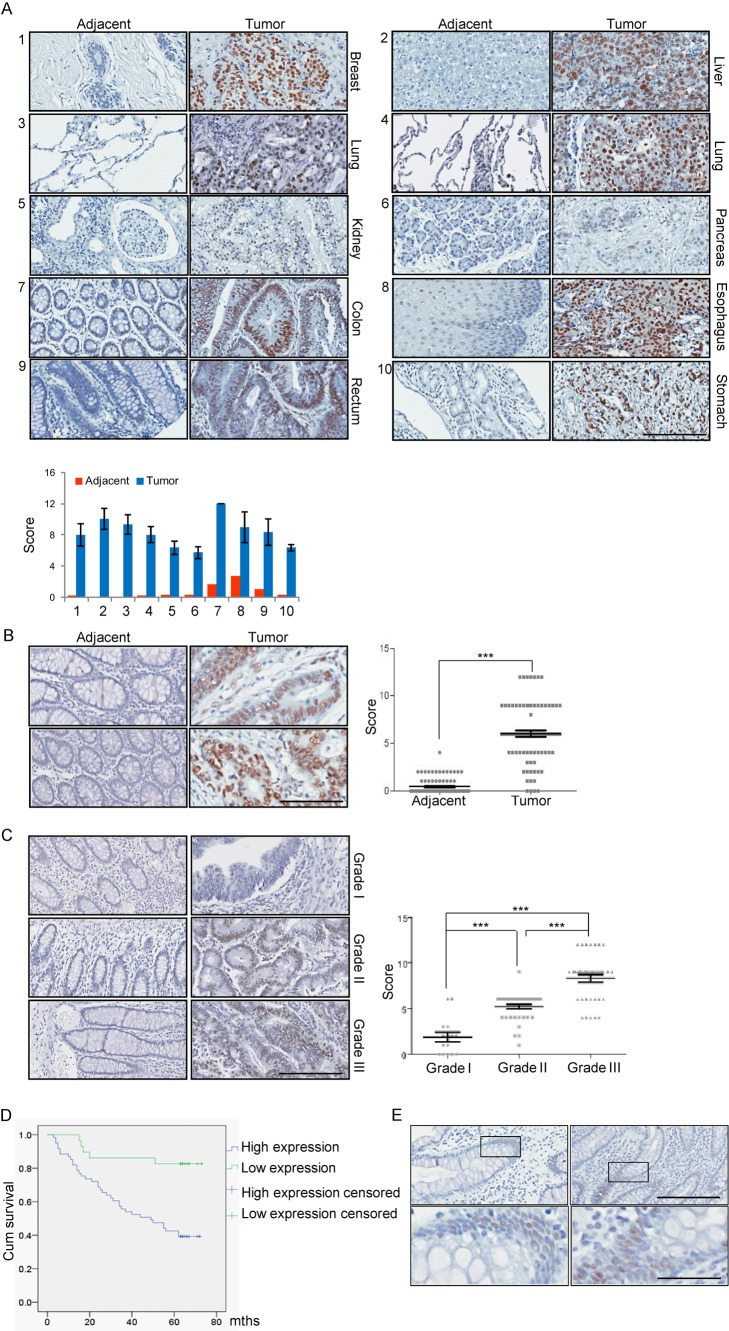
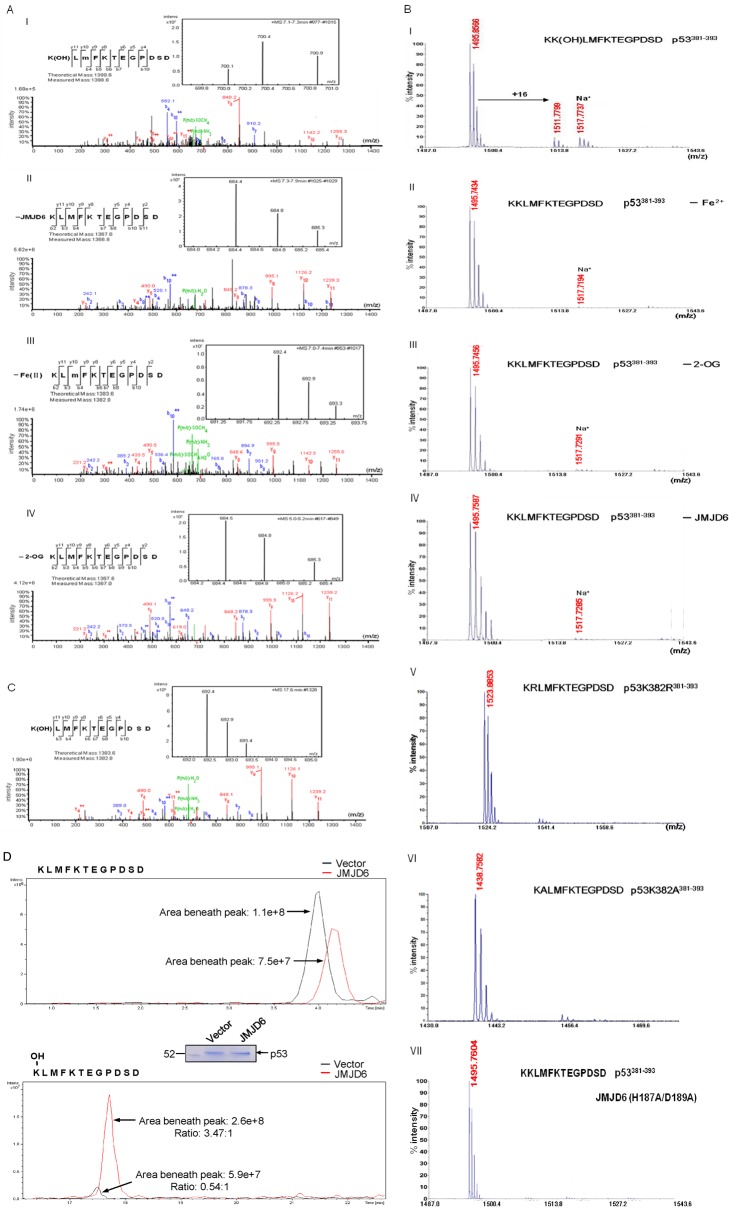
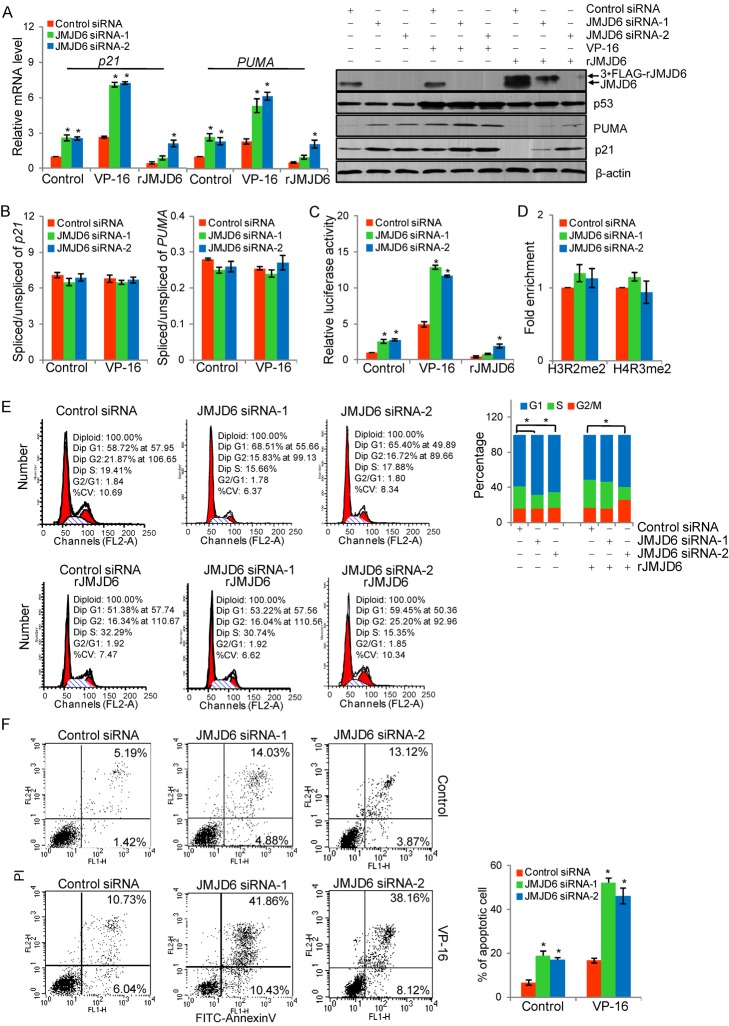
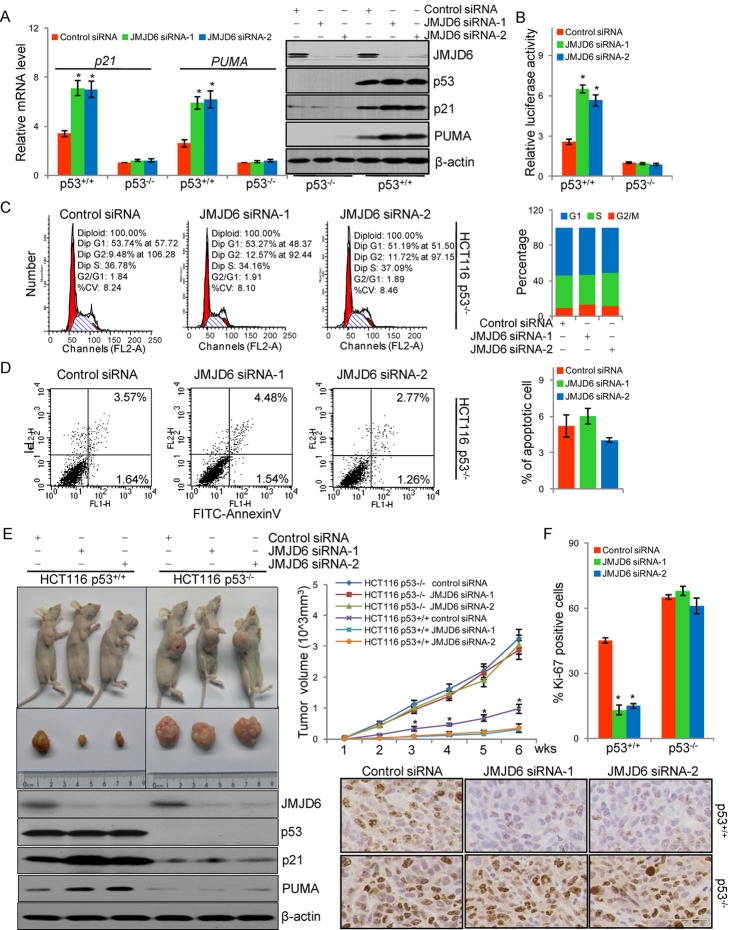
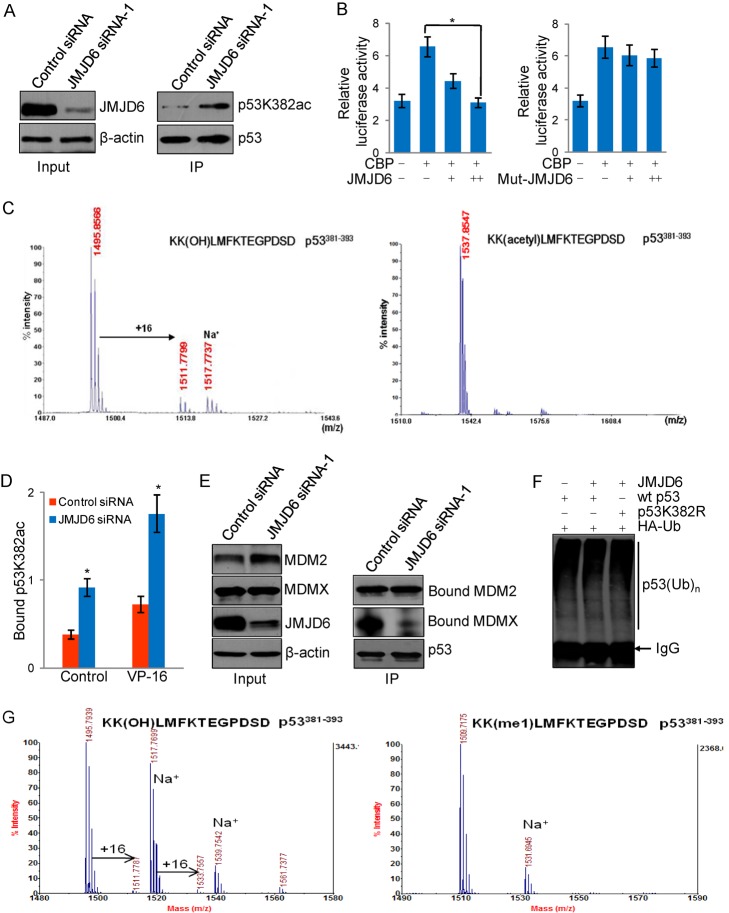
Jumonji domain-containing 6 (JMJD6) is a member of the Jumonji C domain-containing family of proteins. Compared to other members of the family, the cellular activity of JMJD6 is still not clearly defined and its biological function is still largely unexplored. Here we report that JMJD6 is physically associated with the tumor suppressor p53. We demonstrated that JMJD6 acts as an α-ketoglutarate- and Fe(II)-dependent lysyl hydroxylase to catalyze p53 hydroxylation. We found that p53 indeed exists as a hydroxylated protein in vivo and that the hydroxylation occurs mainly on lysine 382 of p53. We showed that JMJD6 antagonizes p53 acetylation, promotes the association of p53 with its negative regulator MDMX, and represses transcriptional activity of p53. Depletion of JMJD6 enhances p53 transcriptional activity, arrests cells in the G1 phase, promotes cell apoptosis, and sensitizes cells to DNA damaging agent-induced cell death. Importantly, knockdown of JMJD6 represses p53-dependent colon cell proliferation and tumorigenesis in vivo, and significantly, the expression of JMJD6 is markedly up-regulated in various types of human cancer especially in colon cancer, and high nuclear JMJD6 protein is strongly correlated with aggressive clinical behaviors of colon adenocarcinomas. Our results reveal a novel posttranslational modification for p53 and support the pursuit of JMJD6 as a potential biomarker for colon cancer aggressiveness and a potential target for colon cancer intervention.
Jumonji 结构域包含 6 型(JMJD6)是 Jumonji C 结构域蛋白家族的成员之一。与家族中的其他成员相比,JMJD6 的细胞活性仍未被明确定义,其生物学功能仍在很大程度上未被探索。在这里,我们报告 JMJD6 与肿瘤抑制因子 p53 发生物理关联。我们证明 JMJD6 作为 α-酮戊二酸和 Fe(II)依赖性赖氨酸羟化酶,催化 p53 羟化。我们发现 p53 实际上在体内存在为羟化蛋白,并且羟化主要发生在 p53 的赖氨酸 382 上。我们表明 JMJD6 拮抗 p53 乙酰化,促进 p53 与其负调节剂 MDMX 的结合,并抑制 p53 的转录活性。JMJD6 的耗竭增强了 p53 的转录活性,使细胞停滞在 G1 期,促进细胞凋亡,并使细胞对 DNA 损伤剂诱导的细胞死亡敏感。重要的是,JMJD6 的敲低抑制了 p53 依赖性结肠细胞增殖和体内肿瘤发生,而且,JMJD6 在各种类型的人类癌症中特别是在结肠癌中表达明显上调,并且核内 JMJD6 蛋白与结肠腺癌侵袭性的临床行为强烈相关。我们的结果揭示了 p53 的一种新的翻译后修饰,并支持将 JMJD6 作为结肠癌侵袭性的潜在生物标志物和结肠癌干预的潜在靶点进行研究。