Fu Maoqiang, Xu Manyu, Zhou Ting, Wang Defu, Tian Shan, Han Liping, Dong Hansong, Zhang Chunling
State Ministry of Education Key Laboratory of Integrated Management of Crop Pathogens and Insect Pests, Nanjing Agricultural University, Nanjing, 210095, China.
J Exp Bot. 2014 Apr;65(6):1439-53. doi: 10.1093/jxb/ert488.
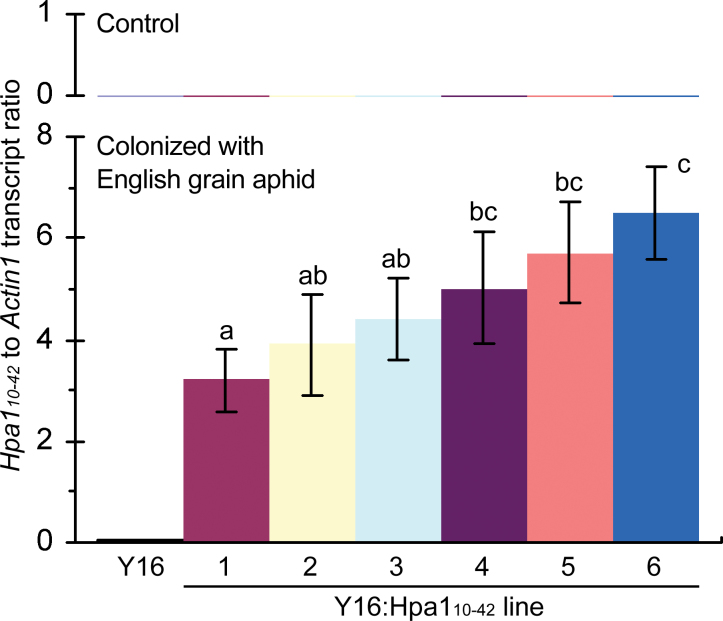
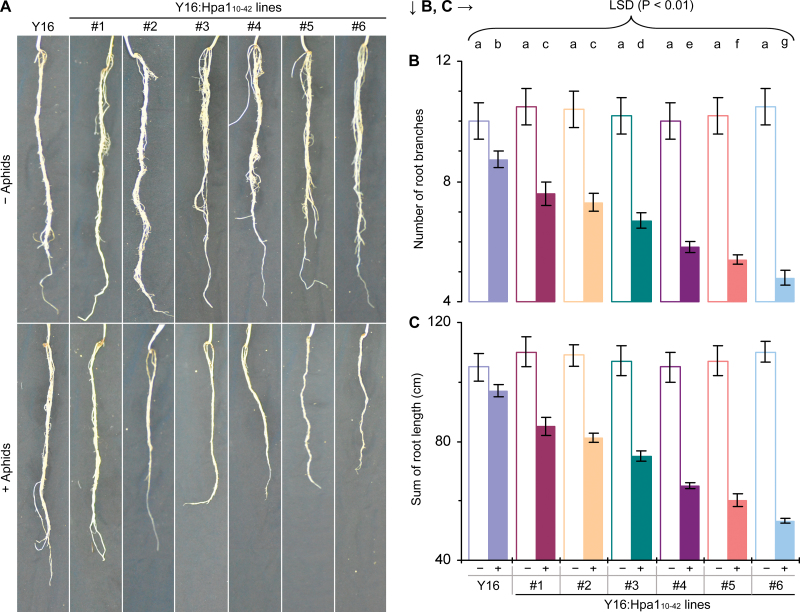
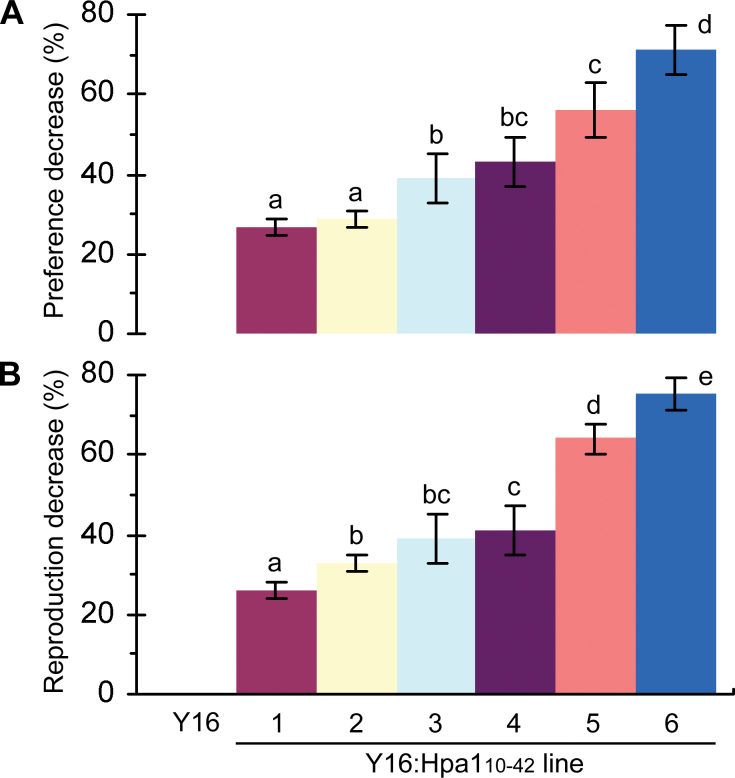
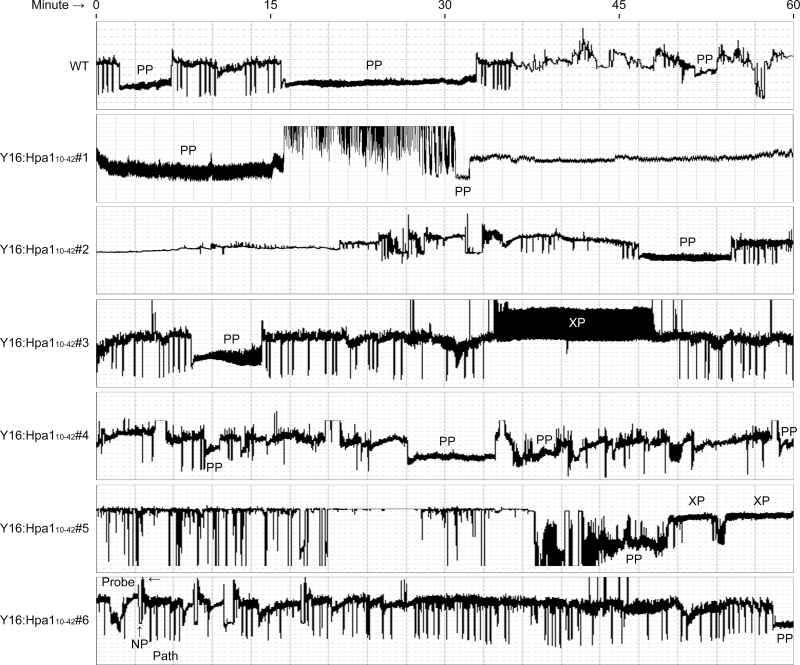
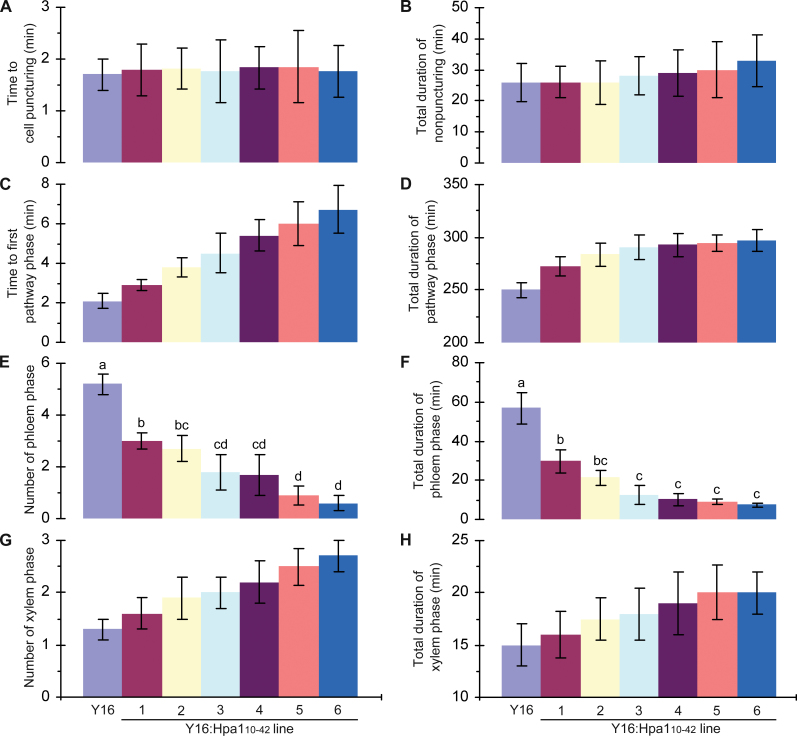
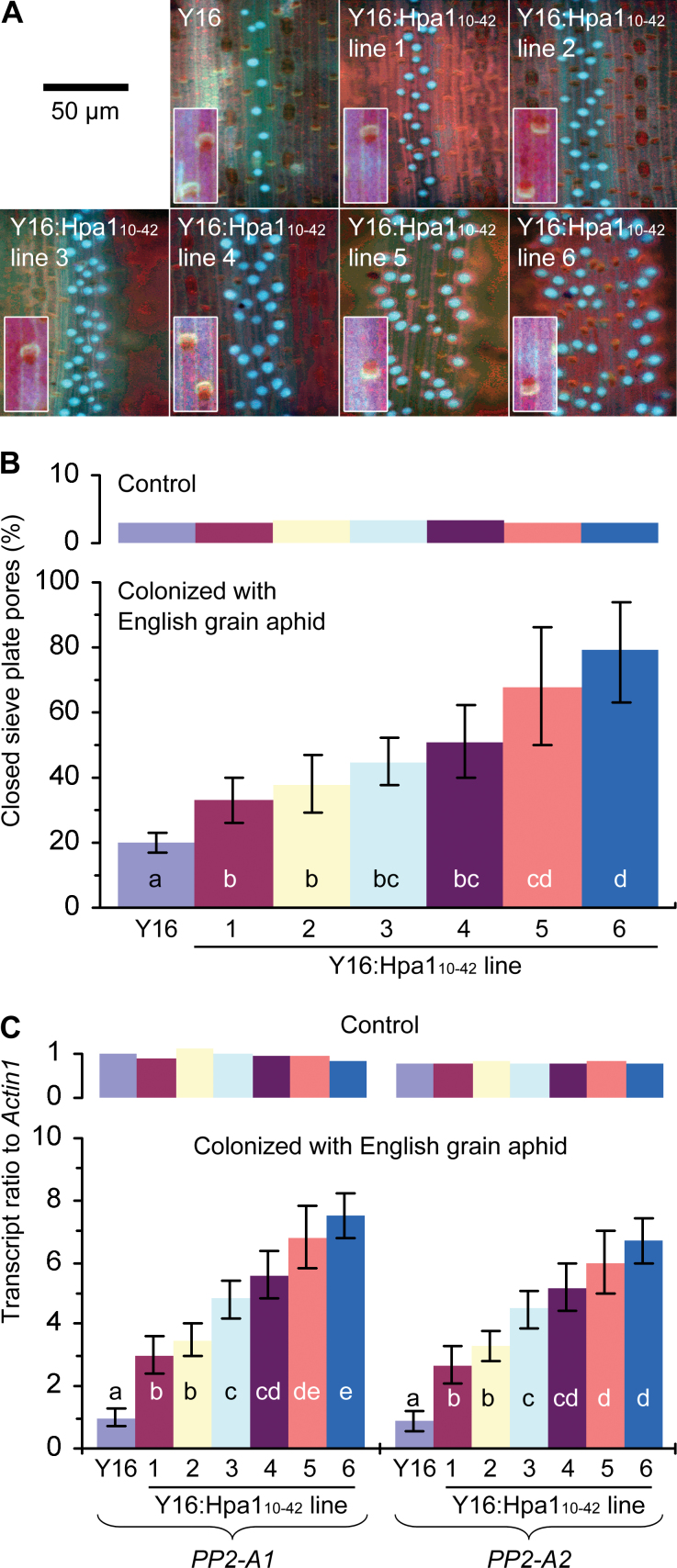
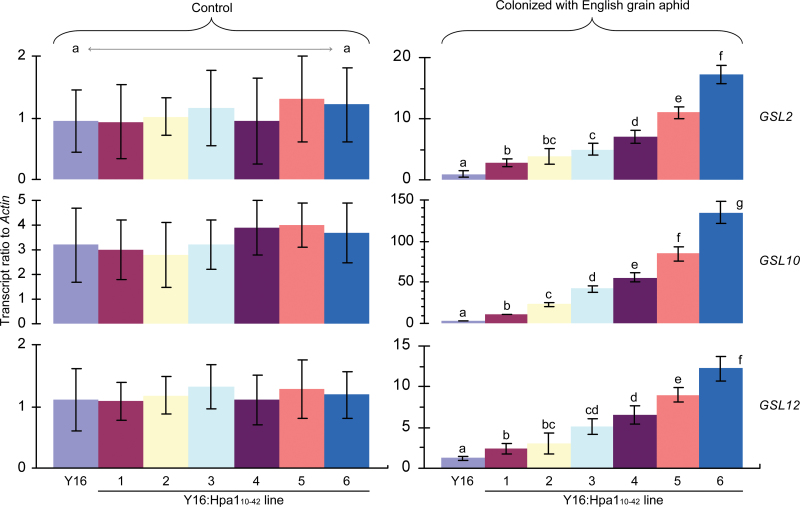
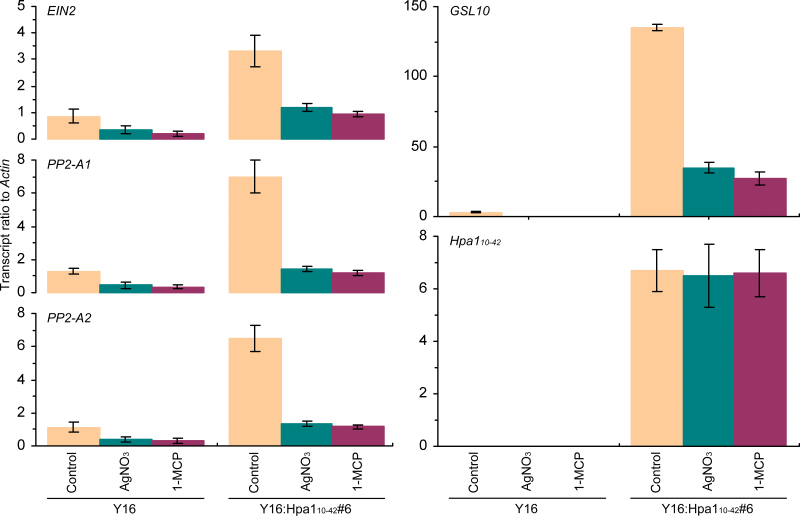
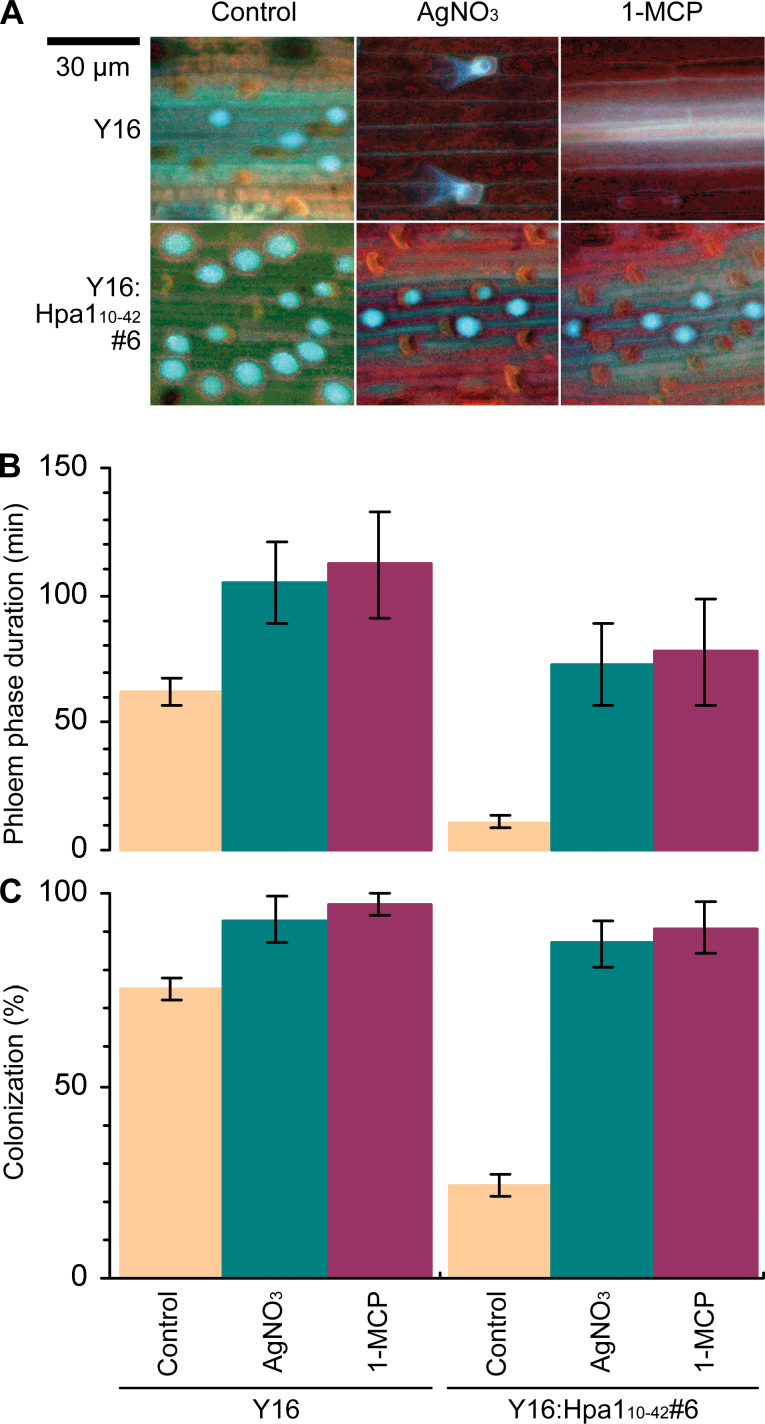
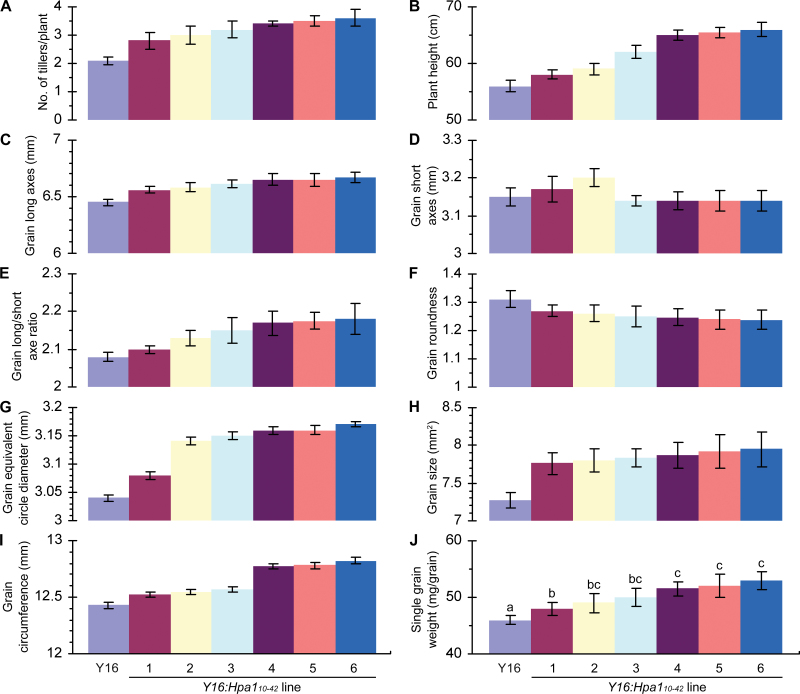
The harpin protein Hpa1 has multiple beneficial effects in plants, promoting plant growth and development, increasing crop yield, and inducing resistance to pathogens and insect pests. For these effects, the 10-40 residue fragment (Hpa1₁₀₋₄₂) isolated from the Hpa1 sequence is 1.3- to 7.5-fold more effective than the full-length protein. Here it is reported that the expression of Hpa1₁₀₋₄₂ under the direction of an insect-induced promoter induces the phloem-based defence to English grain aphid, a dominant species of wheat aphids. The expression of Hpa1₁₀₋₄₂ was found to compromise the colonization preference of aphids on the plant and further inhibit aphid reproduction in leaf colonies. In Hpa1₁₀₋₄₂-expressing wheat lines, moreover, aphid feeding from the phloem was repressed in correlation with the phloem-based defence. This defensive mechanism was shown as enhanced expression of wheat genes encoding phloem lectin proteins (PP2-A1 and PP2-A2) and β-1,3-glucan synthase-like enzymes (GSL2, GSL10, and GSL12). Both PP2-A and β-1,3-glucan formed high molecular mass polymers to block phloem sieve plate pores and therefore impede aphid feeding from the phloem. However, the phloem-based defence was impaired by treating plants with ethylene signalling inhibitors, suggesting the requirement for the ethylene signalling pathway. In addition, if Hpa1₁₀₋₄₂-expressing plants were subjected to attack by a small number of aphids, they newly acquired agriculturally beneficial characters, such as enhanced vegetative growth and increased tiller numbers and grain output values. These results suggest that the defensive and developmental roles of Hpa1₁₀₋₄₂ can be integrated into the germplasm of this agriculturally significant crop.
过敏蛋白Hpa1对植物具有多种有益作用,可促进植物生长发育、提高作物产量,并诱导对病原体和害虫的抗性。基于这些作用,从Hpa1序列中分离出的10 - 40个氨基酸残基的片段(Hpa1₁₀₋₄₂)比全长蛋白的效果高1.3至7.5倍。本文报道,在昆虫诱导型启动子的调控下,Hpa1₁₀₋₄₂的表达可诱导小麦对英国谷物蚜(小麦蚜虫的优势种)的韧皮部防御。研究发现,Hpa1₁₀₋₄₂的表达会影响蚜虫在植物上的定殖偏好,并进一步抑制蚜虫在叶群体中的繁殖。此外,在表达Hpa1₁₀₋₄₂的小麦品系中,蚜虫从韧皮部取食受到抑制,这与韧皮部防御相关。这种防御机制表现为编码韧皮部凝集素蛋白(PP2 - A1和PP2 - A2)和β - 1,3 - 葡聚糖合酶样酶(GSL2、GSL10和GSL12)的小麦基因表达增强。PP2 - A和β - 1,3 - 葡聚糖均形成高分子量聚合物,以阻塞韧皮部筛板孔,从而阻碍蚜虫从韧皮部取食。然而,用乙烯信号抑制剂处理植物会损害韧皮部防御,这表明乙烯信号通路是必需的。此外,如果用少量蚜虫攻击表达Hpa1₁₀₋₄₂的植物,它们会新获得一些农业有益性状,如营养生长增强、分蘖数增加和籽粒产值提高。这些结果表明,Hpa1₁₀₋₄₂的防御和发育作用可以整合到这种具有重要农业意义的作物种质中。