Department of Microbiology and Physiological Systems, University of Massachusetts Medical School, 55 Lake Avenue North, Worcester, MA 01655, USA.
Biol Open. 2014 Apr 15;3(4):297-306. doi: 10.1242/bio.20146866.
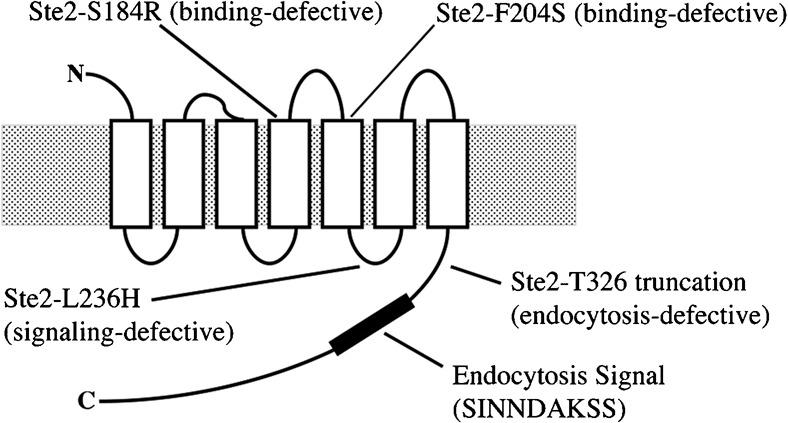
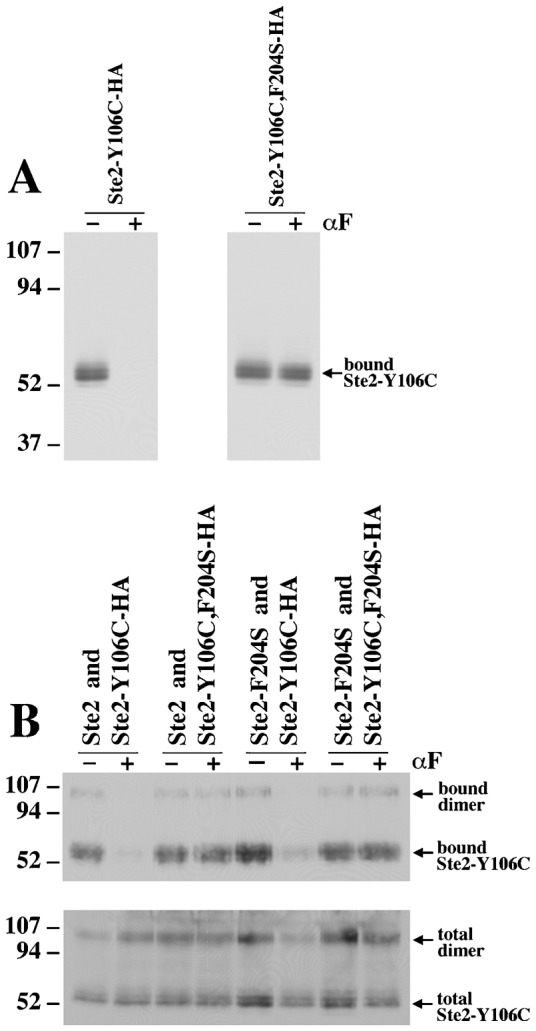
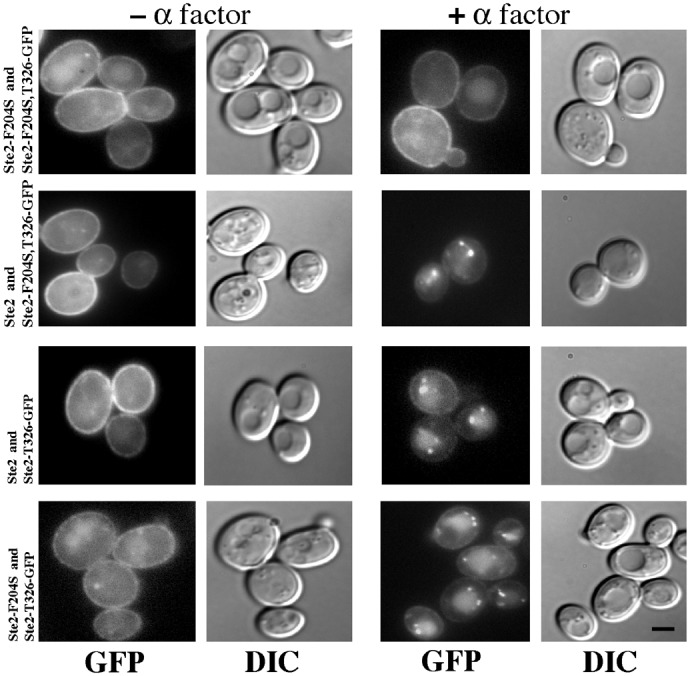
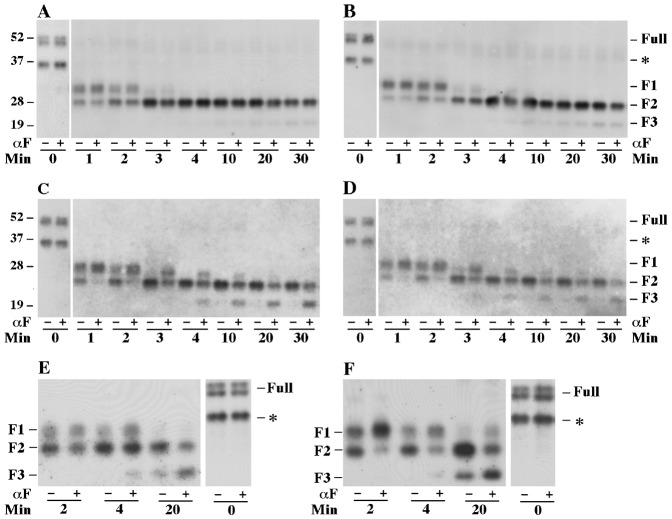
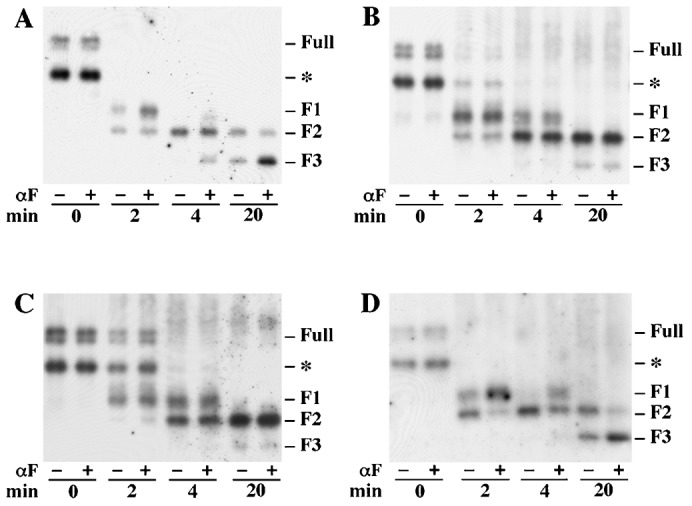
This study investigates endocytosis of Saccharomyces cerevisiae α-factor receptor and the role that receptor oligomerization plays in this process. α-factor receptor contains signal sequences in the cytoplasmic C-terminal domain that are essential for ligand-mediated endocytosis. In an endocytosis complementation assay, we found that oligomeric complexes of the receptor undergo ligand-mediated endocytosis when the α-factor binding site and the endocytosis signal sequences are located in different receptors. Both in vitro and in vivo assays suggested that ligand-induced conformational changes in one Ste2 subunit do not affect neighboring subunits. Therefore, recognition of the endocytosis signal sequence and recognition of the ligand-induced conformational change are likely to be two independent events.
本研究调查了酿酒酵母α-因子受体的胞吞作用,以及受体寡聚化在这一过程中所起的作用。α-因子受体的胞质 C 末端结构域中含有信号序列,对于配体介导的内吞作用至关重要。在胞吞作用互补测定中,我们发现当 α-因子结合位点和内吞作用信号序列位于不同受体中时,受体的寡聚复合物会发生配体介导的内吞作用。体外和体内实验均表明,一个 Ste2 亚基的配体诱导构象变化不会影响相邻的亚基。因此,对内吞作用信号序列的识别和对配体诱导构象变化的识别可能是两个独立的事件。