Gaiad Thaís P, Araujo Karla P C, Serrão Júlio C, Miglino Maria A, Ambrósio Carlos Eduardo
Department of Physical Therapy, Faculty of Biological Science and Health, University of Jequitinhonha and Mucuri Valley/UFVJM, Diamantina/MG, Brazil.
Department of Surgery, School of Veterinary Medicine and Animal Science, University of Sao Paulo/USP, São Paulo, SP, Brazil.
PLoS One. 2014 Apr 8;9(4):e93500. doi: 10.1371/journal.pone.0093500. eCollection 2014.
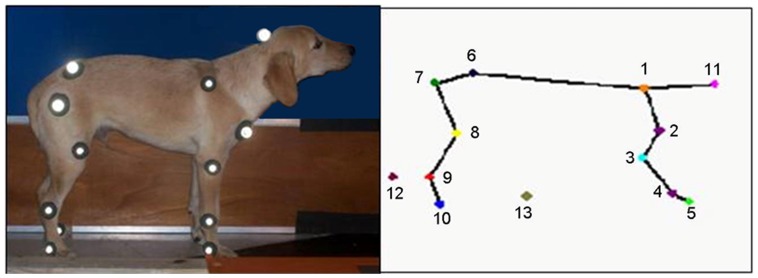
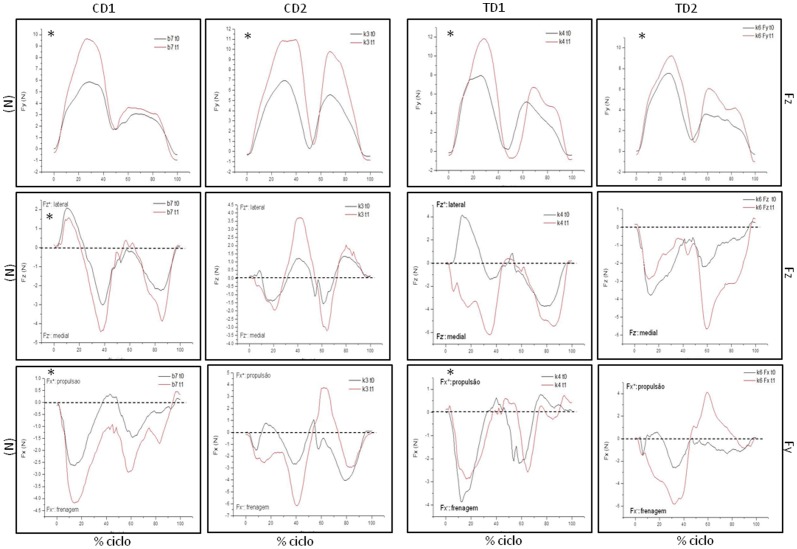
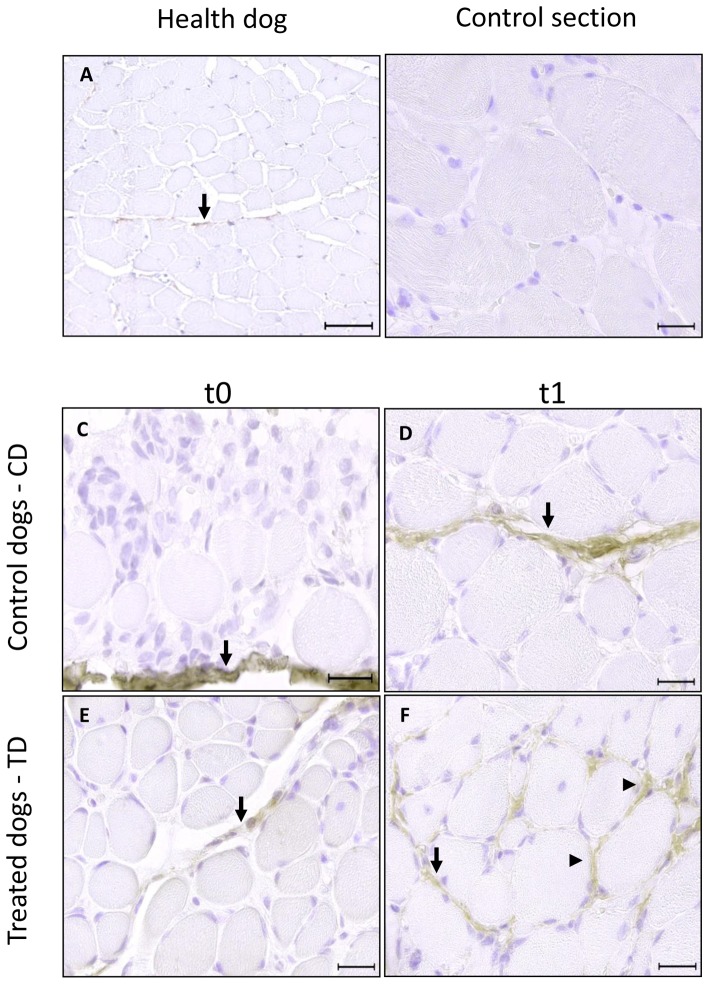
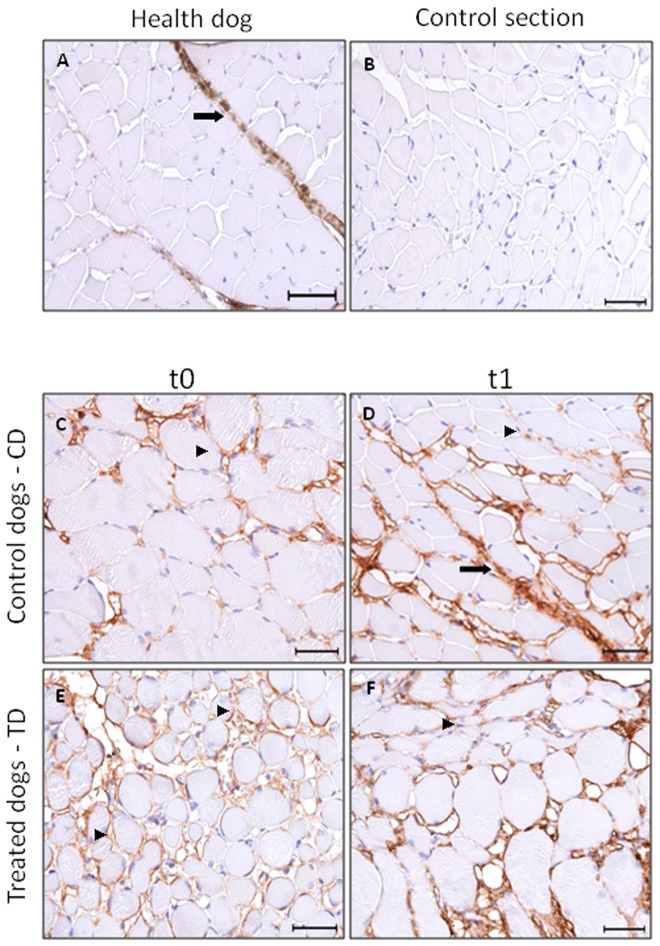
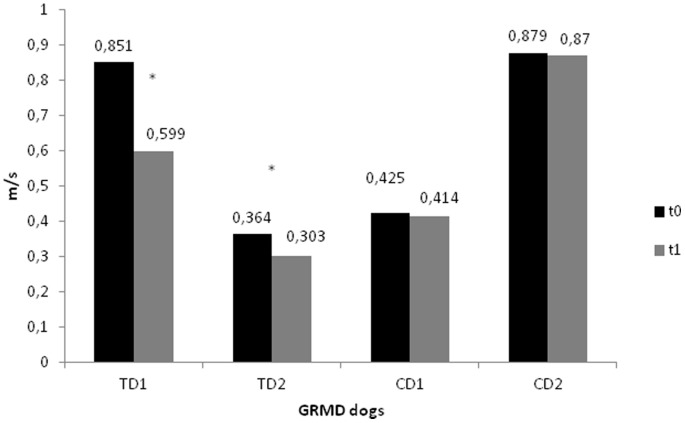
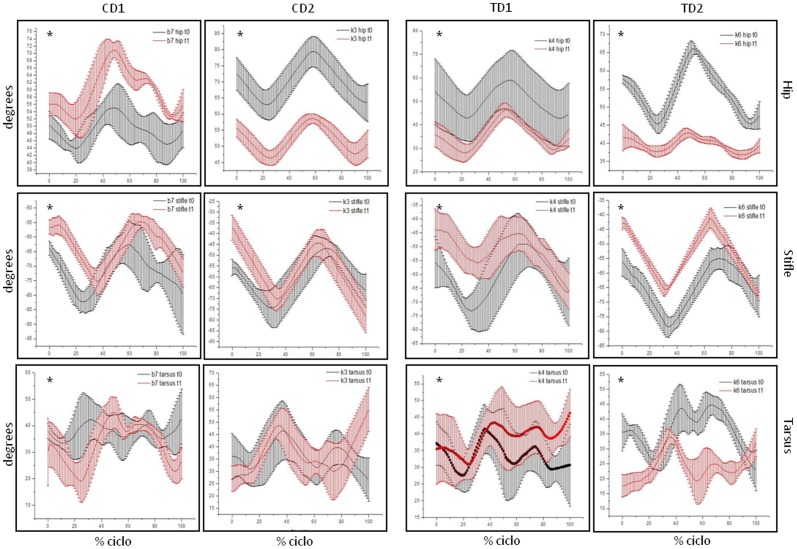
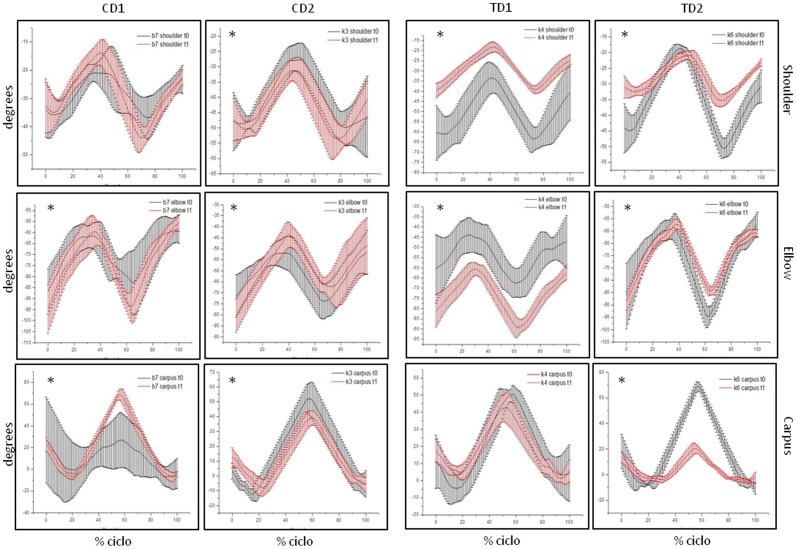
Golden Retriever Muscular Dystrophy (GRMD) is a dystrophin-deficient canine model genetically homologous to Duchenne Muscular Dystrophy (DMD) in humans. Muscular fibrosis secondary to cycles of degeneration/regeneration of dystrophic muscle tissue and muscular weakness leads to biomechanical adaptation that impairs the quality of gait. Physical therapy (PT) is one of the supportive therapies available for DMD, however, motor PT approaches have controversial recommendations and there is no consensus regarding the type and intensity of physical therapy. In this study we investigated the effect of physical therapy on gait biomechanics and muscular collagen deposition types I and III in dystrophin-deficient dogs. Two dystrophic dogs (treated dogs-TD) underwent a PT protocol of active walking exercise, 3×/week, 40 minutes/day, 12 weeks. Two dystrophic control dogs (CD) maintained their routine of activities of daily living. At t0 (pre) and t1 (post-physical therapy), collagen type I and III were assessed by immunohistochemistry and gait biomechanics were analyzed. Angular displacement of shoulder, elbow, carpal, hip, stifle and tarsal joint and vertical (Fy), mediolateral (Fz) and craniocaudal (Fx) ground reaction forces (GRF) were assessed. Wilcoxon test was used to verify the difference of biomechanical variables between t0 and t1, considering p<.05. Type I collagen of endomysium suffered the influence of PT, as well as gait speed that had decreased from t0 to t1 (p<.000). The PT protocol employed accelerates morphological alterations on dystrophic muscle and promotes a slower velocity of gait. Control dogs which maintained their routine of activities of daily living seem to have found a better balance between movement and preservation of motor function.
金毛寻回犬肌肉萎缩症(GRMD)是一种肌营养不良蛋白缺乏的犬类模型,在基因上与人类的杜兴氏肌肉萎缩症(DMD)同源。营养不良性肌肉组织的退化/再生循环以及肌肉无力继发的肌肉纤维化会导致生物力学适应性改变,从而损害步态质量。物理治疗(PT)是可用于DMD的支持性治疗方法之一,然而,运动PT方法的建议存在争议,对于物理治疗的类型和强度也没有共识。在本研究中,我们调查了物理治疗对肌营养不良蛋白缺乏犬的步态生物力学以及肌肉I型和III型胶原沉积的影响。两只患有肌肉萎缩症的犬(治疗犬 - TD)接受了主动步行锻炼的PT方案,每周3次,每天40分钟,共12周。两只患有肌肉萎缩症的对照犬(CD)维持其日常生活活动常规。在t0(治疗前)和t1(物理治疗后),通过免疫组织化学评估I型和III型胶原,并分析步态生物力学。评估了肩部、肘部、腕关节、髋部、膝关节和跗关节的角位移以及垂直(Fy)、内外侧(Fz)和前后(Fx)地面反作用力(GRF)。采用Wilcoxon检验来验证t0和t1之间生物力学变量的差异,以p <.05为标准。肌内膜的I型胶原受到PT的影响,从t0到t1步态速度也有所下降(p <.000)。所采用的PT方案加速了营养不良性肌肉的形态学改变,并导致步态速度减慢。维持日常生活活动常规的对照犬似乎在运动和运动功能保留之间找到了更好的平衡。