Foulke-Abel Jennifer, In Julie, Kovbasnjuk Olga, Zachos Nicholas C, Ettayebi Khalil, Blutt Sarah E, Hyser Joseph M, Zeng Xi-Lei, Crawford Sue E, Broughman James R, Estes Mary K, Donowitz Mark
Department of Medicine, Division of Gastroenterology, Johns Hopkins University School of Medicine, Baltimore, MD 21205, USA.
Department of Molecular Virology and Microbiology, Baylor College of Medicine, Houston, TX 77030, USA.
Exp Biol Med (Maywood). 2014 Sep;239(9):1124-34. doi: 10.1177/1535370214529398. Epub 2014 Apr 9.
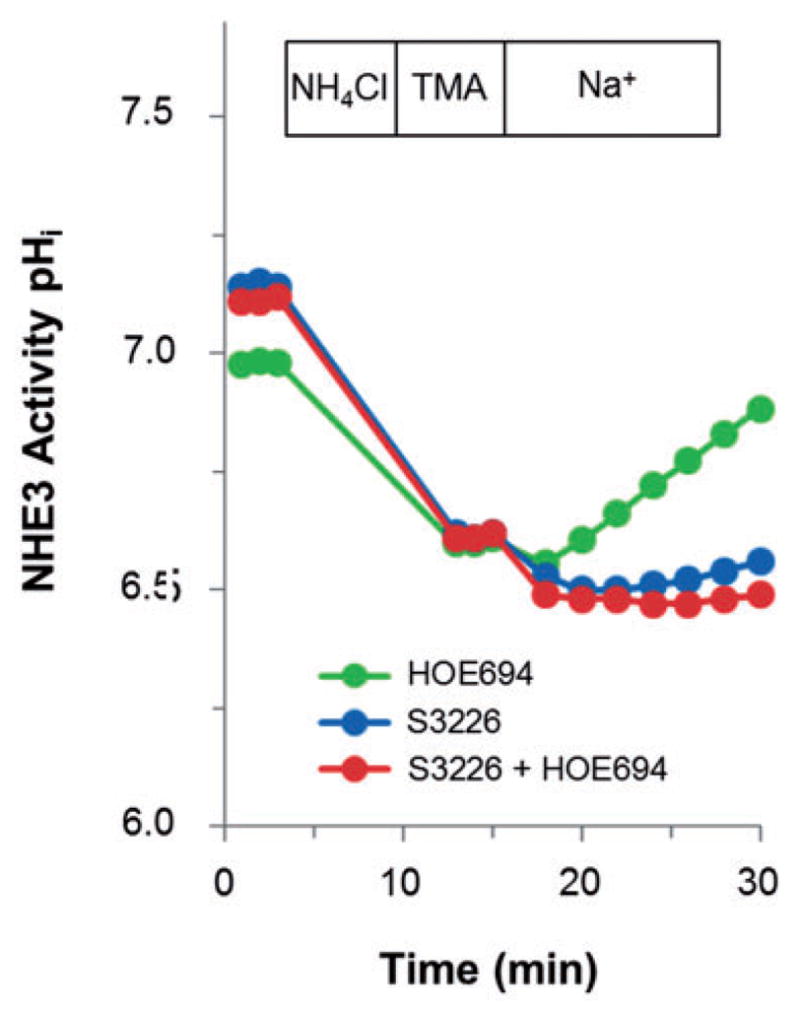
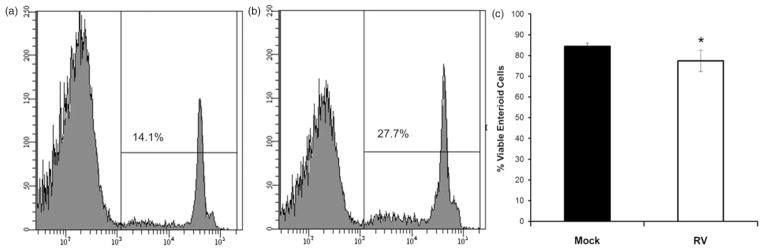
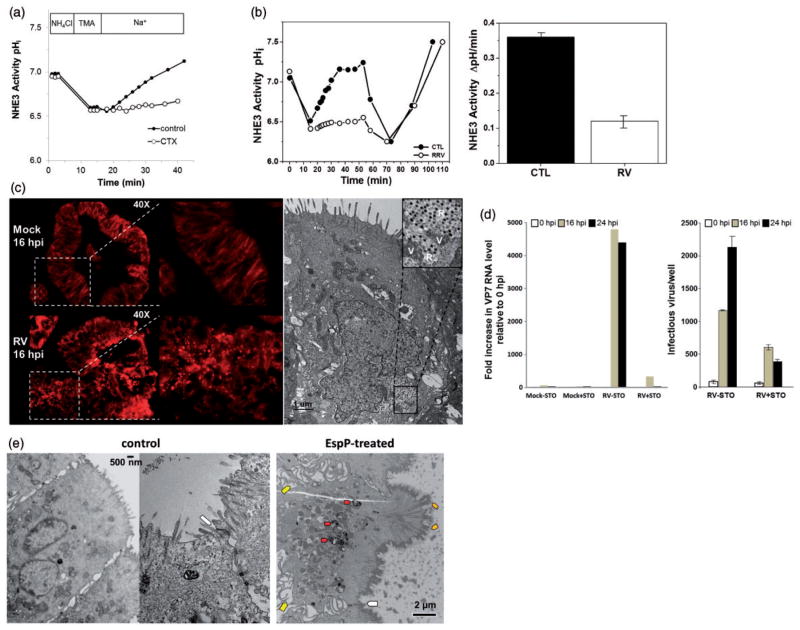
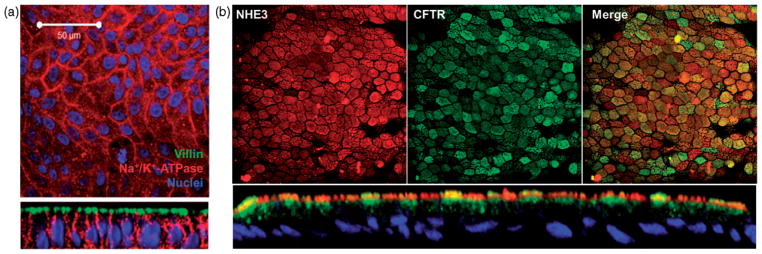
Currently, 9 out of 10 experimental drugs fail in clinical studies. This has caused a 40% plunge in the number of drugs approved by the US Food and Drug Administration (FDA) since 2005. It has been suggested that the mechanistic differences between human diseases modeled in animals (mostly rodents) and the pathophysiology of human diseases might be one of the critical factors that contribute to drug failure in clinical trials. Rapid progress in the field of human stem cell technology has allowed the in-vitro recreation of human tissue that should complement and expand upon the limitations of cell and animal models currently used to study human diseases and drug toxicity. Recent success in the identification and isolation of human intestinal epithelial stem cells (Lgr5(+)) from the small intestine and colon has led to culture of functional intestinal epithelial units termed organoids or enteroids. Intestinal enteroids are comprised of all four types of normal epithelial cells and develop a crypt-villus differentiation axis. They demonstrate major intestinal physiologic functions, including Na(+) absorption and Cl(-) secretion. This review discusses the recent progress in establishing human enteroids as a model of infectious diarrheal diseases such as cholera, rotavirus, and enterohemorrhagic Escherichia coli, and use of the enteroids to determine ways to correct the diarrhea-induced ion transport abnormalities via drug therapy.
目前,十分之九的实验性药物在临床研究中失败。自2005年以来,这导致美国食品药品监督管理局(FDA)批准的药物数量暴跌了40%。有人认为,在动物(主要是啮齿动物)身上模拟的人类疾病与人类疾病的病理生理学之间的机制差异,可能是导致临床试验中药物失败的关键因素之一。人类干细胞技术领域的快速发展使得在体外重建人类组织成为可能,这应该可以补充并克服目前用于研究人类疾病和药物毒性的细胞和动物模型的局限性。最近,从小肠和结肠中成功鉴定并分离出人类肠道上皮干细胞(Lgr5(+)),从而培养出了称为类器官或肠类器官的功能性肠道上皮单位。肠道类器官由所有四种正常上皮细胞组成,并形成隐窝-绒毛分化轴。它们展现出主要的肠道生理功能,包括钠(Na(+))吸收和氯(Cl(-))分泌。本综述讨论了将人类肠类器官建立为霍乱、轮状病毒和肠出血性大肠杆菌等感染性腹泻疾病模型的最新进展,以及利用肠类器官来确定通过药物治疗纠正腹泻引起的离子转运异常的方法。