Diaz-Ruiz Araceli, Vacio-Adame Patricia, Monroy-Noyola Antonio, Méndez-Armenta Marisela, Ortiz-Plata Alma, Montes Sergio, Rios Camilo
Departamento de Neuroquímica, Instituto Nacional de Neurología y Neurocirugía Manuel Velasco Suarez, Avenida Insurgentes Sur No. 3877, 14269 México City, DF, Mexico.
Laboratorio de Neuroprotección, Facultad de Farmacia, Universidad Autónoma del Estado de Morelos, Mexico.
Oxid Med Cell Longev. 2014;2014:436429. doi: 10.1155/2014/436429. Epub 2014 Feb 25.
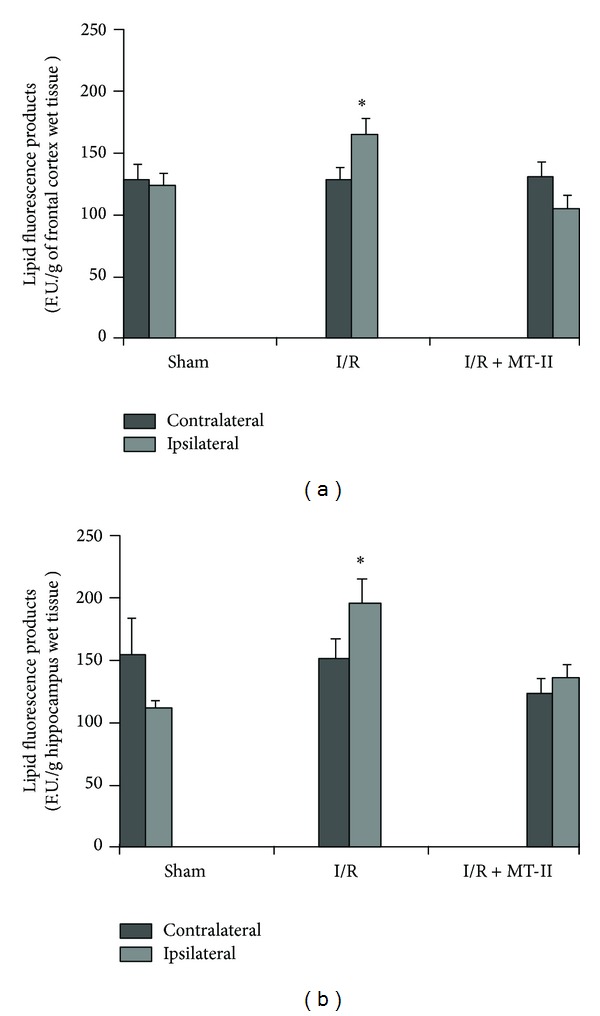
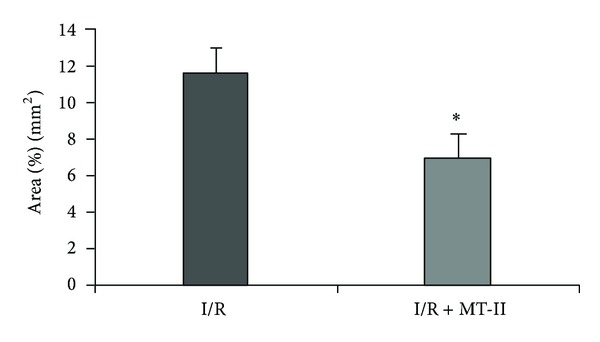
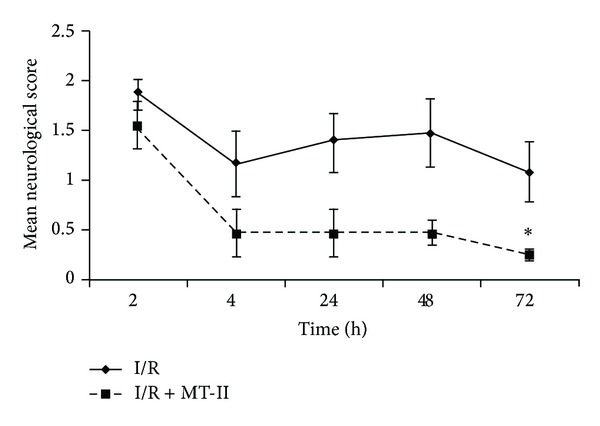
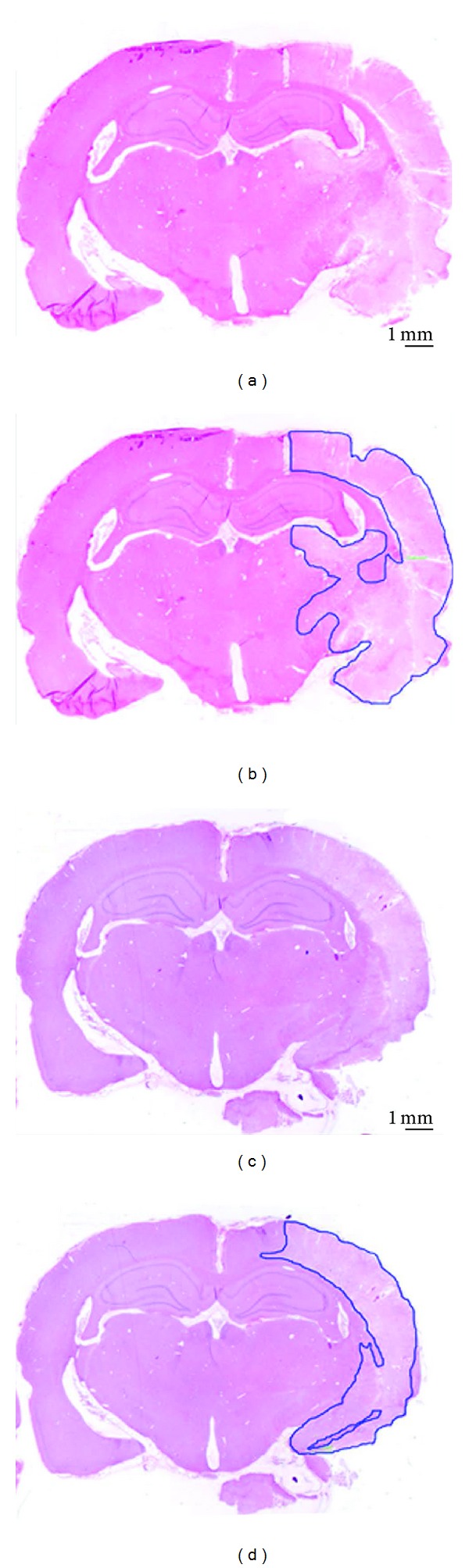
After transient cerebral ischemia and reperfusion (I/R), damaging mechanisms, such as excitotoxicity and oxidative stress, lead to irreversible neurological deficits. The induction of metallothionein-II (MT-II) protein is an endogenous mechanism after I/R. Our aim was to evaluate the neuroprotective effect of MT-II after I/R in rats. Male Wistar rats were transiently occluded at the middle cerebral artery for 2 h, followed by reperfusion. Rats received either MT (10 μg per rat i.p.) or vehicle after ischemia. Lipid peroxidation (LP) was measured 22 h after reperfusion in frontal cortex and hippocampus; also, neurological deficit was evaluated after ischemia, using the Longa scoring scale. Infarction area was analyzed 72 hours after ischemia. Results showed increased LP in frontal cortex (30.7%) and hippocampus (26.4%), as compared to control group; this effect was fully reversed by MT treatment. Likewise, we also observed a diminished neurological deficit assessed by the Longa scale in those animals treated with MT compared to control group values. The MT-treated group showed a significant (P < 0.05) reduction of 39.9% in the infarction area, only at the level of hippocampus, as compared to control group. Results suggest that MT-II may be a novel neuroprotective treatment to prevent ischemia injury.
短暂性脑缺血再灌注(I/R)后,诸如兴奋性毒性和氧化应激等损伤机制会导致不可逆的神经功能缺损。金属硫蛋白-II(MT-II)蛋白的诱导是I/R后的一种内源性机制。我们的目的是评估MT-II在大鼠I/R后的神经保护作用。雄性Wistar大鼠大脑中动脉短暂闭塞2小时,随后再灌注。缺血后大鼠接受MT(每只大鼠腹腔注射10μg)或赋形剂。再灌注22小时后测量额叶皮质和海马中的脂质过氧化(LP);此外,缺血后使用Longa评分量表评估神经功能缺损。缺血72小时后分析梗死面积。结果显示,与对照组相比,额叶皮质(30.7%)和海马(26.4%)中的LP增加;MT治疗可完全逆转这种效应。同样,与对照组相比,我们还观察到用MT治疗的动物中,经Longa量表评估的神经功能缺损有所减轻。与对照组相比,MT治疗组仅在海马水平上梗死面积显著(P<0.05)减少了39.9%。结果表明,MT-II可能是一种预防缺血性损伤的新型神经保护治疗方法。