Wilson Jennifer G, Matthay Michael A
Department of Medicine, Division of Critical Care, University of California San Francisco, San Francisco, California.
J Hosp Med. 2014 Jul;9(7):469-75. doi: 10.1002/jhm.2192. Epub 2014 Apr 15.
The goal of mechanical ventilation in acute hypoxemic respiratory failure is to support adequate gas exchange without harming the lungs. How patients are mechanically ventilated can significantly impact their ultimate outcomes.
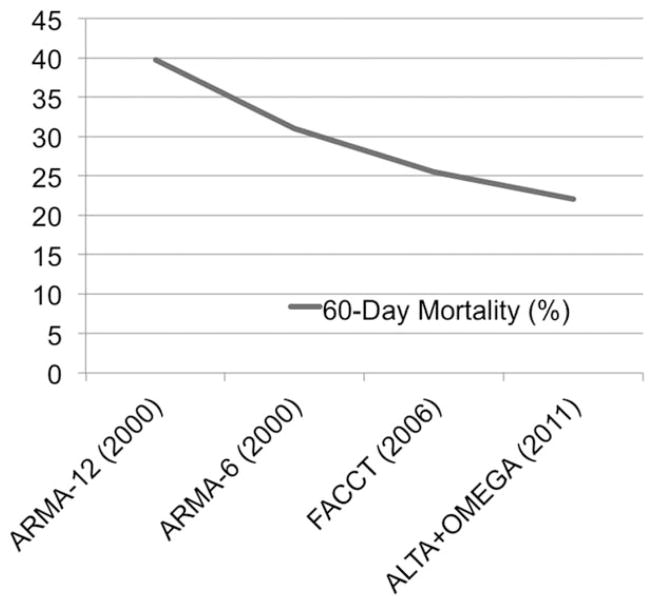
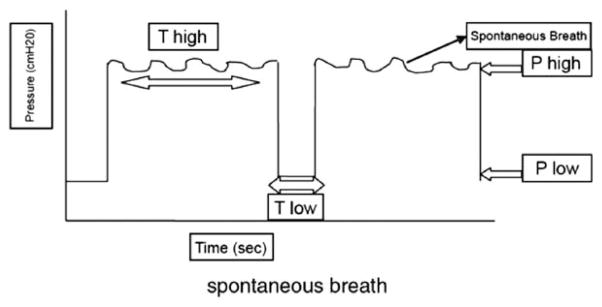
This review focuses on emerging evidence regarding strategies for mechanical ventilation in patients with acute hypoxemic respiratory failure including: low tidal volume ventilation in the acute respiratory distress syndrome (ARDS), novel ventilator modes as alternatives to low tidal volume ventilation, adjunctive strategies that may enhance recovery in ARDS, the use of lung-protective strategies in patients without ARDS, rescue therapies in refractory hypoxemia, and an evidence-based approach to weaning from mechanical ventilation.
Once a patient is intubated and mechanically ventilated, low tidal volume ventilation remains the best strategy in ARDS. Adjunctive therapies in ARDS include a conservative fluid management strategy, as well as neuromuscular blockade and prone positioning in moderate-to-severe disease. There is also emerging evidence that a lung-protective strategy may benefit non-ARDS patients. For patients with refractory hypoxemia, extracorporeal membrane oxygenation should be considered. Once the patient demonstrates signs of recovery, the best approach to liberation from mechanical ventilation involves daily spontaneous breathing trials and protocolized assessment of readiness for extubation.
Prompt recognition of ARDS and use of lung-protective ventilation, as well as evidence-based adjunctive therapies, remain the cornerstones of caring for patients with acute hypoxemic respiratory failure. In the absence of contraindications, it is reasonable to consider lung-protective ventilation in non-ARDS patients as well, though the evidence supporting this practice is less conclusive.
急性低氧性呼吸衰竭机械通气的目标是在不损伤肺脏的情况下支持充分的气体交换。患者接受机械通气的方式会显著影响其最终结局。
本综述聚焦于急性低氧性呼吸衰竭患者机械通气策略的新证据,包括:急性呼吸窘迫综合征(ARDS)中的低潮气量通气、作为低潮气量通气替代方案的新型通气模式、可能促进ARDS恢复的辅助策略、非ARDS患者中肺保护策略的应用、难治性低氧血症的挽救治疗以及基于证据的机械通气撤机方法。
一旦患者插管并接受机械通气,低潮气量通气仍是ARDS的最佳策略。ARDS的辅助治疗包括保守的液体管理策略,以及中重度疾病患者的神经肌肉阻滞和俯卧位通气。也有新证据表明肺保护策略可能使非ARDS患者受益。对于难治性低氧血症患者,应考虑体外膜肺氧合。一旦患者出现恢复迹象,机械通气撤机的最佳方法包括每日进行自主呼吸试验和按方案评估拔管准备情况。
及时识别ARDS并采用肺保护性通气以及基于证据的辅助治疗,仍然是护理急性低氧性呼吸衰竭患者的基石。在没有禁忌证的情况下,考虑在非ARDS患者中采用肺保护性通气也是合理的,尽管支持这种做法的证据不太确凿。