Akimoto-Tomiyama Chiharu, Furutani Ayako, Ochiai Hirokazu
Plant-Microbe Interaction Research Unit, Division of Plant Sciences, National Institute of Agrobiological Sciences, Tsukuba, Japan.
Gene Research Center, Ibaraki University, Inashiki, Japan.
PLoS One. 2014 Apr 15;9(4):e94386. doi: 10.1371/journal.pone.0094386. eCollection 2014.
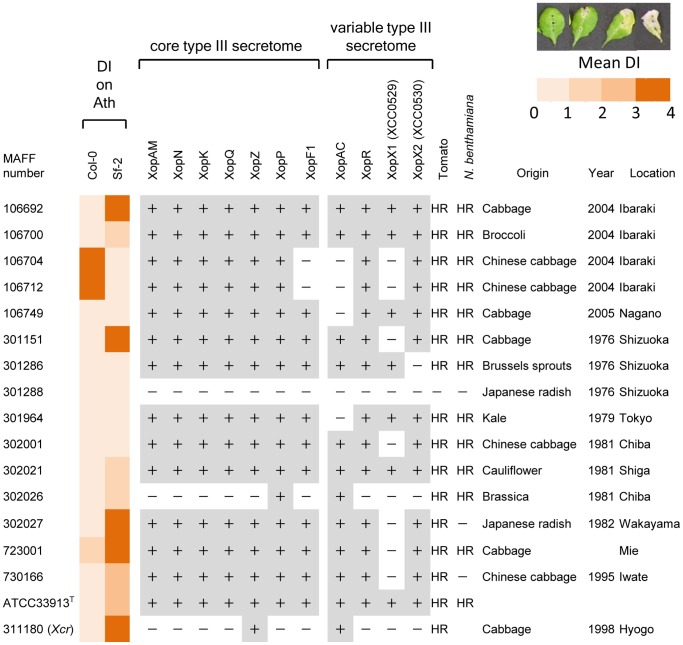
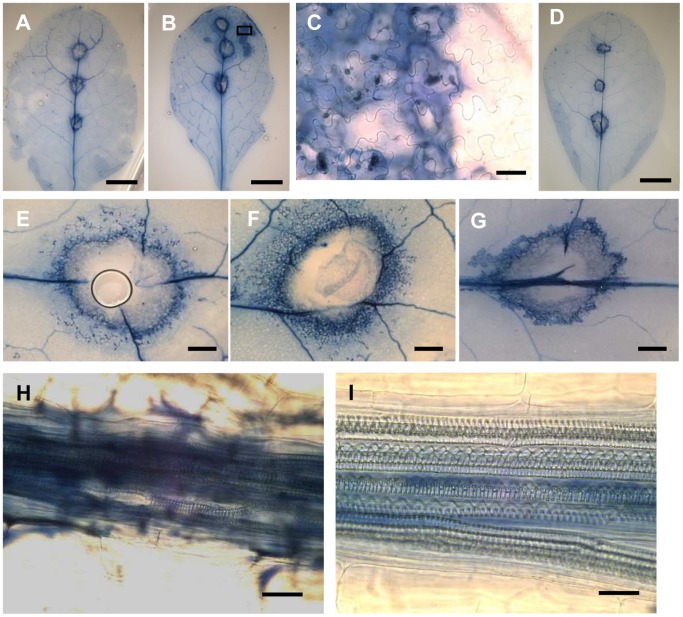
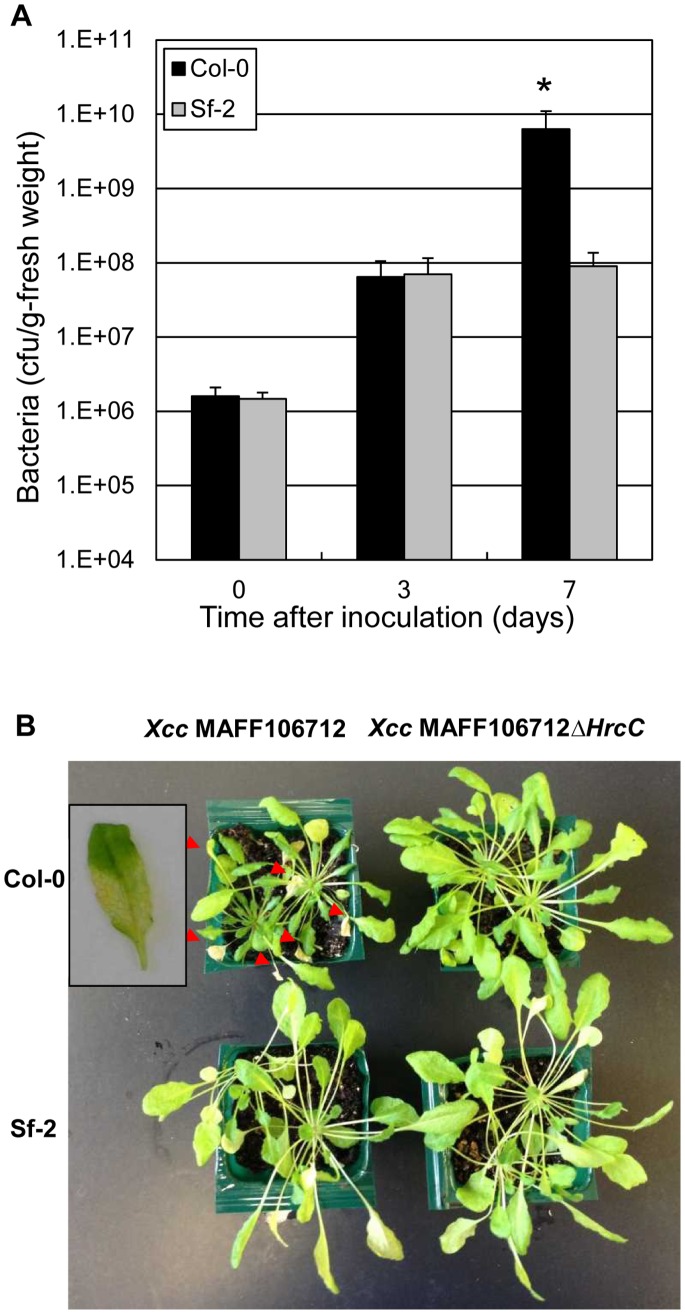
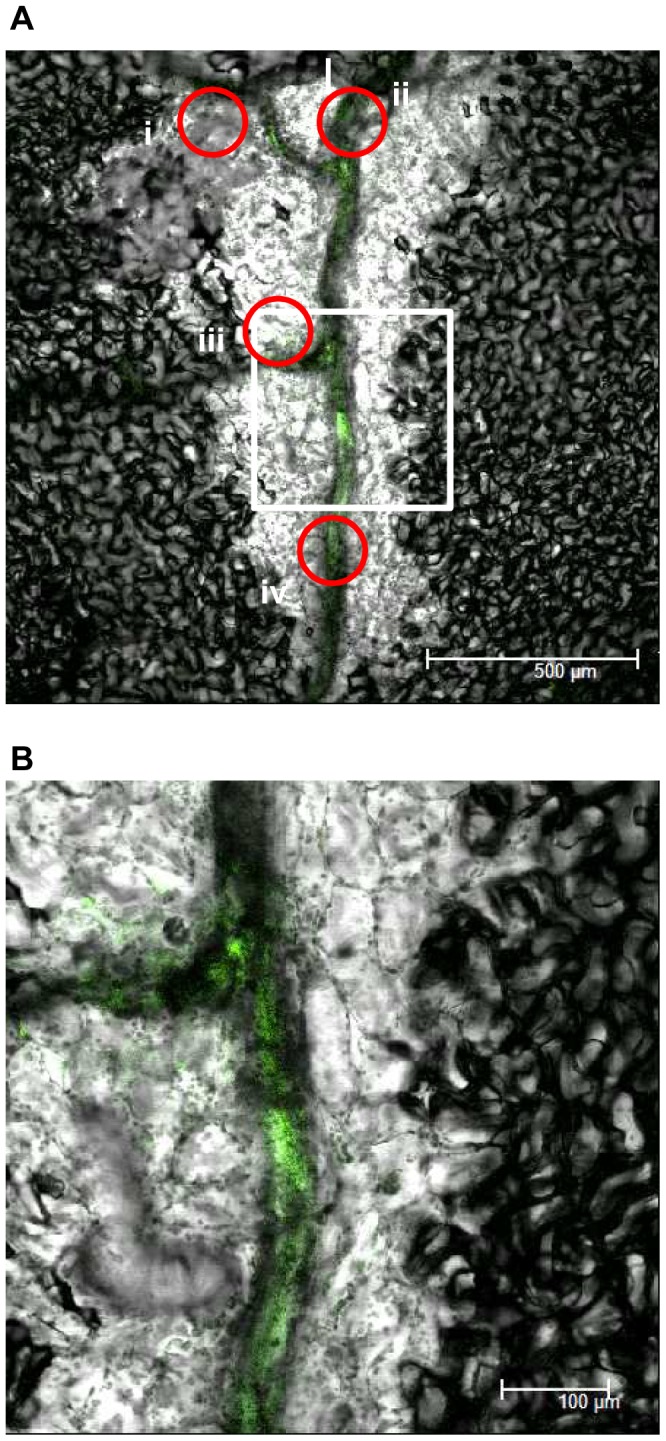
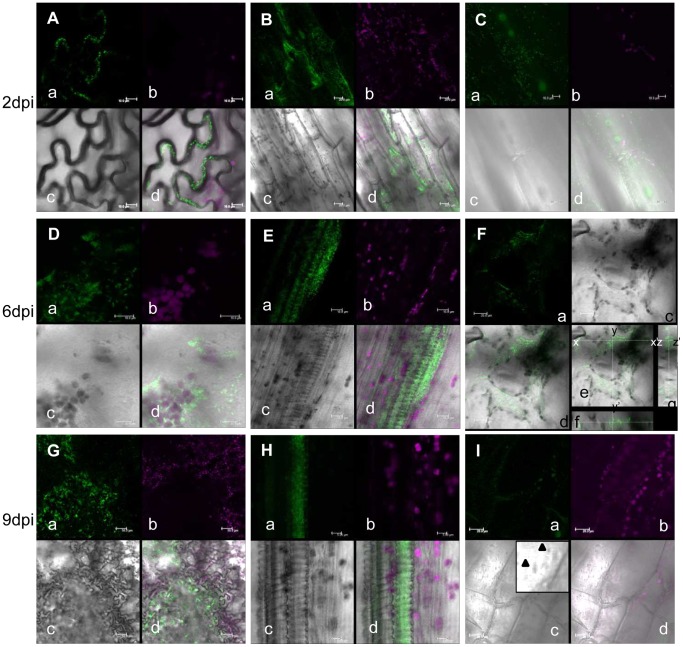
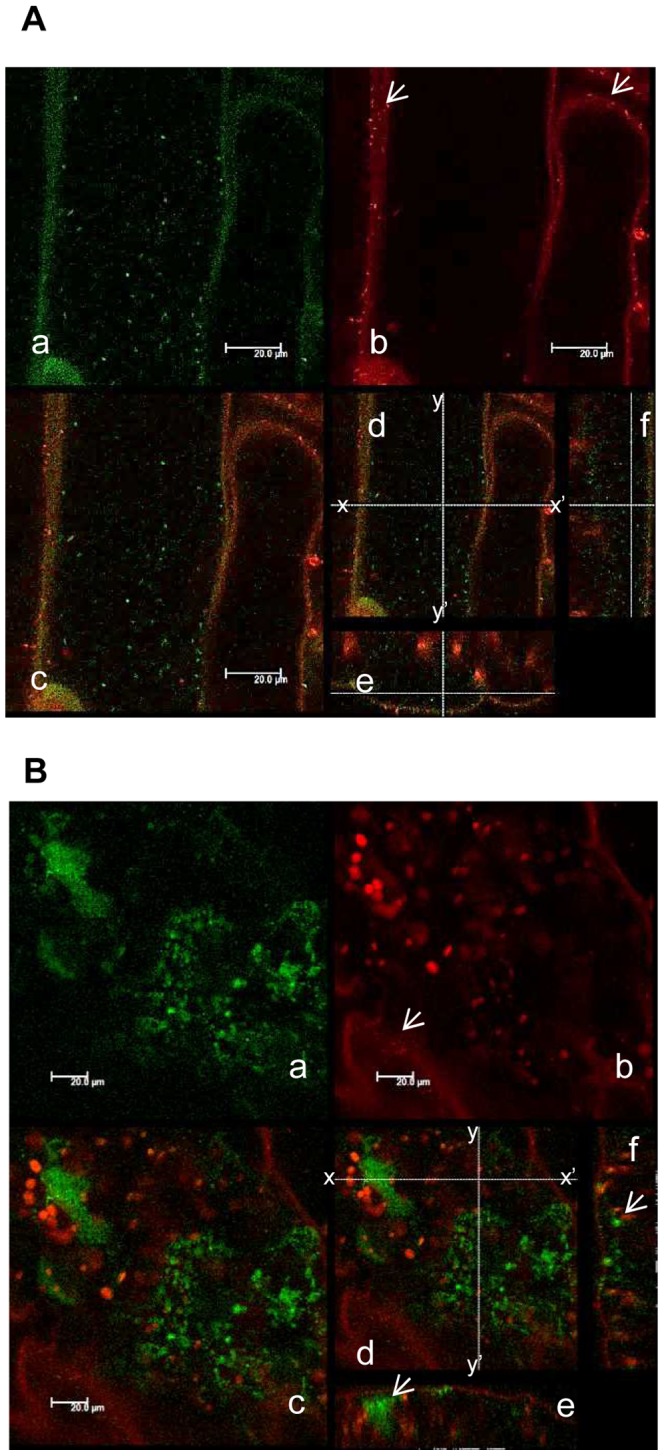
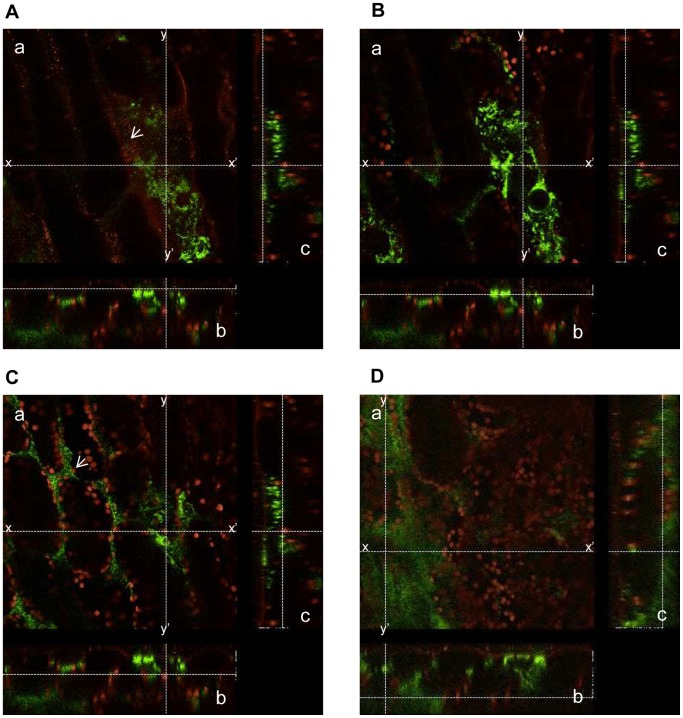
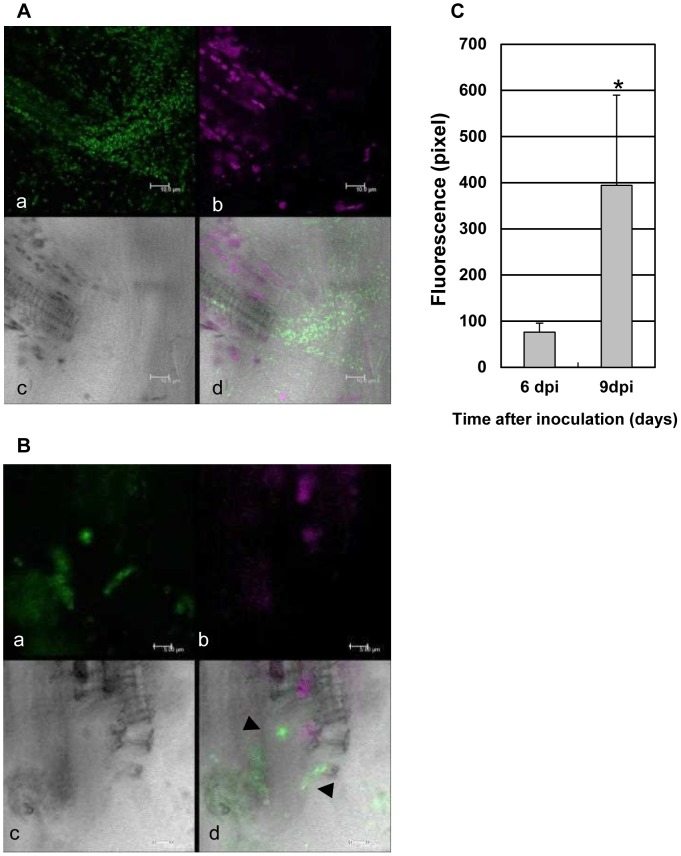
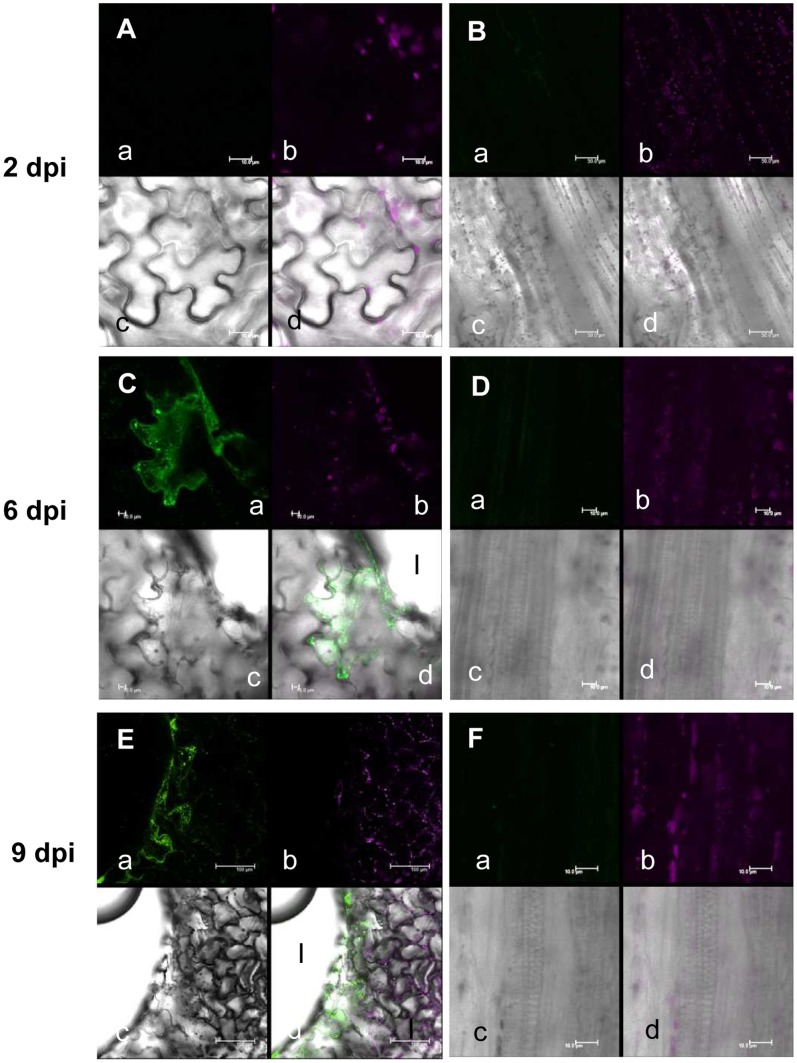
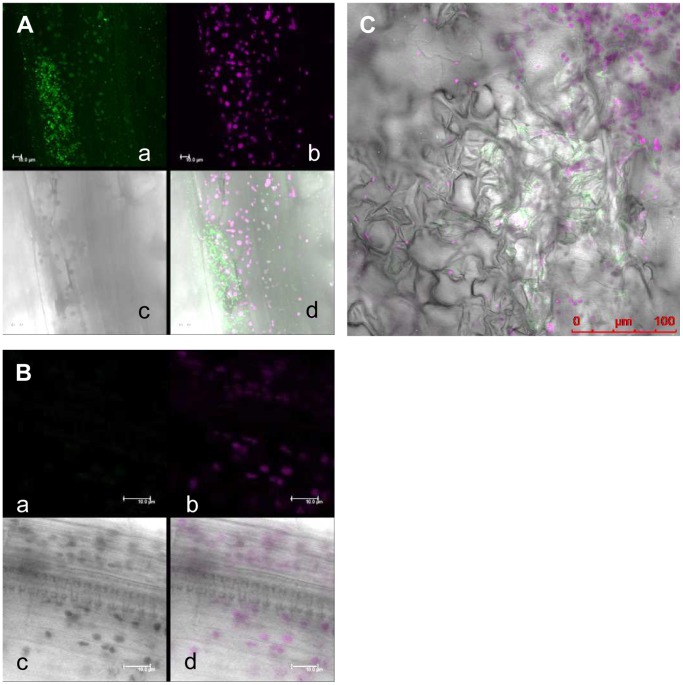
Xanthomonas is one of the most widespread phytobacteria, causing diseases on a variety of agricultural plants. To develop novel control techniques, knowledge of bacterial behavior inside plant cells is essential. Xanthomonas campestris pv. campestris, a vascular pathogen, is the causal agent of black rot on leaves of Brassicaceae, including Arabidopsis thaliana. Among the X. campestris pv. campestris stocks in the MAFF collection, we selected XccMAFF106712 as a model compatible pathogen for the A. thaliana reference ecotype Columbia (Col-0). Using modified green fluorescent protein (AcGFP) as a reporter, we observed real time XccMAFF106712 colonization in planta with confocal microscopy. AcGFP-expressing bacteria colonized the inside of epidermal cells and the apoplast, as well as the xylem vessels of the vasculature. In the case of the type III mutant, bacteria colonization was never detected in the xylem vessel or apoplast, though they freely enter the xylem vessel through the wound. After 9 days post inoculation with XccMAFF106712, the xylem vessel became filled with bacterial aggregates. This suggests that Xcc colonization can be divided into main four steps, (1) movement in the xylem vessel, (2) movement to the next cell, (3) adhesion to the host plant cells, and (4) formation of bacterial aggregates. The type III mutant abolished at least steps (1) and (2). Better understanding of Xcc colonization is essential for development of novel control techniques for black rot.
黄单胞菌是分布最为广泛的植物细菌之一,可在多种农作物上引发病害。为开发新的防治技术,了解细菌在植物细胞内的行为至关重要。野油菜黄单胞菌野油菜致病变种是一种维管束病原体,是包括拟南芥在内的十字花科植物叶片黑腐病的病原体。在日本农林水产省(MAFF)收集的野油菜黄单胞菌野油菜致病变种菌株中,我们选择XccMAFF106712作为模式兼容病原体,用于拟南芥参考生态型哥伦比亚(Col-0)。使用修饰的绿色荧光蛋白(AcGFP)作为报告基因,我们通过共聚焦显微镜观察了XccMAFF106712在植物体内的实时定殖情况。表达AcGFP的细菌定殖在表皮细胞内部、质外体以及维管束的木质部导管中。对于III型突变体,尽管它们可通过伤口自由进入木质部导管,但在木质部导管或质外体中从未检测到细菌定殖。用XccMAFF106712接种9天后,木质部导管中充满了细菌聚集体。这表明Xcc的定殖可分为四个主要步骤:(1)在木质部导管中移动;(2)移动到下一个细胞;(3)粘附到宿主植物细胞上;(4)形成细菌聚集体。III型突变体至少消除了步骤(1)和(2)。更好地了解Xcc的定殖对于开发黑腐病的新防治技术至关重要。