Department of Urology, Changhai Hospital, Second Military Medical University, Shanghai, P. R. China.
Department of Radiology, Changhai Hospital, Second Military Medical University, Shanghai, P. R. China.
PLoS One. 2014 Apr 16;9(4):e94878. doi: 10.1371/journal.pone.0094878. eCollection 2014.
To critically review the currently available evidence of studies comparing robotic partial nephrectomy (RPN) and open partial nephrectomy (OPN).
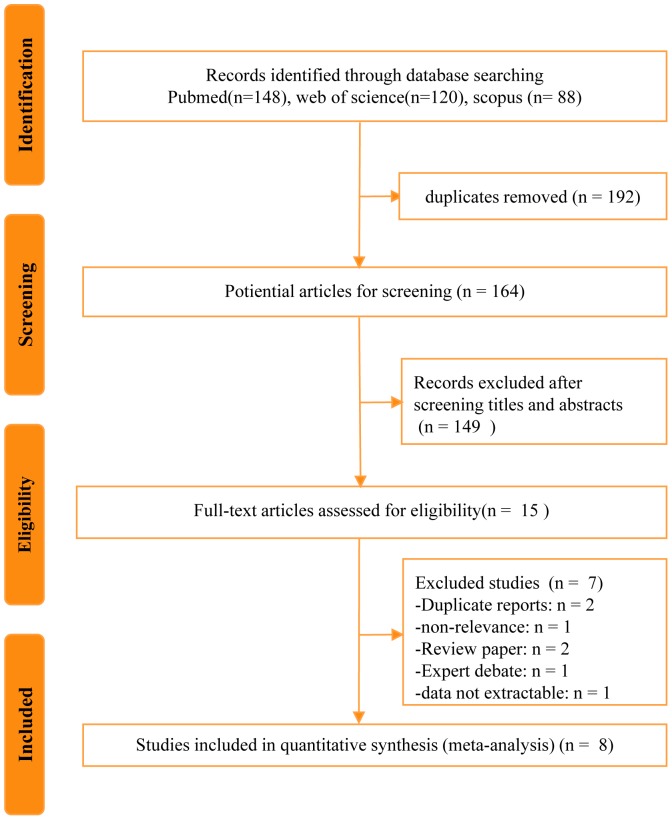
A comprehensive review of the literature from Pubmed, Web of Science and Scopus was performed in October 2013. All relevant studies comparing RPN with OPN were included for further screening. A cumulative meta-analysis of all comparative studies was performed and publication bias was assessed by a funnel plot.
Eight studies were included for the analysis, including a total of 3418 patients (757 patients in the robotic group and 2661 patients in the open group). Although RPN procedures had a longer operative time (weighted mean difference [WMD]: 40.89; 95% confidence interval [CI], 14.39-67.40; p = 0.002), patients in this group benefited from a lower perioperative complication rate (19.3% for RPN and 29.5% for OPN; odds ratio [OR]: 0.53; 95%CI, 0.42-0.67; p<0.00001), shorter hospital stay (WMD: -2.78; 95%CI, -3.36 to -1.92; p<0.00001), less estimated blood loss(WMD: -106.83; 95%CI, -176.4 to -37.27; p = 0.003). Transfusions, conversion to radical nephrectomy, ischemia time and estimated GFR change, margin status, and overall cost were comparable between the two techniques. The main limitation of the present meta-analysis is the non-randomization of all included studies.
RPN appears to be an efficient alternative to OPN with the advantages of a lower rate of perioperative complications, shorter length of hospital stay and less blood loss. Nevertheless, high quality prospective randomized studies with longer follow-up period are needed to confirm these findings.
对比较机器人辅助部分肾切除术(RPN)和开放部分肾切除术(OPN)的研究进行系统评价。
于 2013 年 10 月对 Pubmed、Web of Science 和 Scopus 中的文献进行全面检索。所有比较 RPN 与 OPN 的相关研究均纳入进一步筛选。对所有比较研究进行累积荟萃分析,并通过漏斗图评估发表偏倚。
纳入 8 项研究,共 3418 例患者(机器人组 757 例,开放组 2661 例)。虽然 RPN 手术时间较长(加权均数差 [WMD]:40.89;95%置信区间 [CI]:14.39-67.40;p = 0.002),但该组患者围手术期并发症发生率较低(RPN 组 19.3%,OPN 组 29.5%;优势比 [OR]:0.53;95%CI:0.42-0.67;p<0.00001),住院时间较短(WMD:-2.78;95%CI:-3.36 至 -1.92;p<0.00001),失血量较少(WMD:-106.83;95%CI:-176.4 至 -37.27;p = 0.003)。输血、转为根治性肾切除术、缺血时间、估计肾小球滤过率变化、切缘状态和总费用在两种技术之间无差异。本荟萃分析的主要局限性在于所有纳入研究均非随机。
与 OPN 相比,RPN 具有较低的围手术期并发症发生率、较短的住院时间和较少的失血量,是一种有效的替代方法。然而,需要高质量的前瞻性随机研究和更长的随访时间来证实这些发现。