Illingworth M A, Meyer E, Chong W K, Manzur A Y, Carr L J, Younis R, Hardy C, McDonald F, Childs A M, Stewart B, Warren D, Kneen R, King M D, Hayflick S J, Kurian M A
Department of Neurology, Great Ormond Street Hospital, London, UK.
Neurosciences Unit, UCL-Institute of Child Health, London, UK.
Mol Genet Metab. 2014 Jun;112(2):183-9. doi: 10.1016/j.ymgme.2014.03.008. Epub 2014 Mar 29.
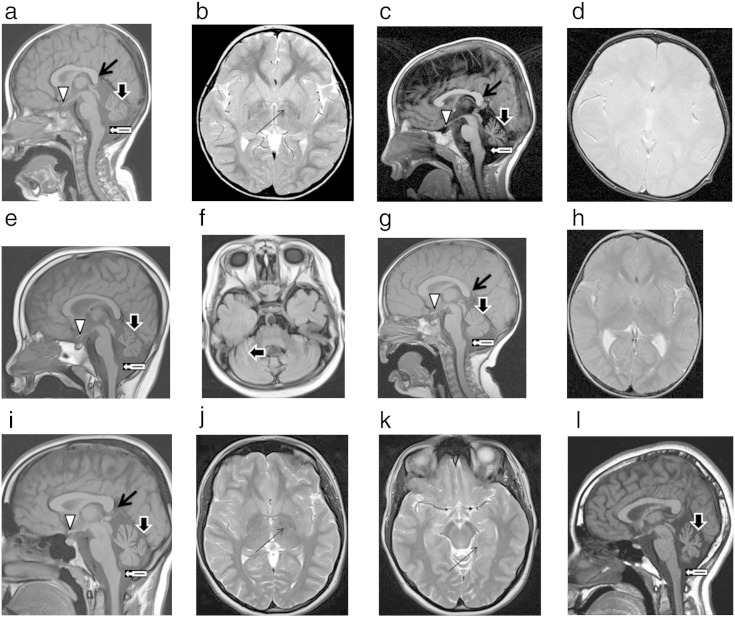
Phospholipase A2 associated neurodegeneration (PLAN) is a major phenotype of autosomal recessive Neurodegeneration with Brain Iron Accumulation (NBIA). We describe the clinical phenotypes, neuroimaging features and PLA2G6 mutations in 5 children, of whom 4 presented with infantile neuroaxonal dystrophy (INAD). One other patient was diagnosed with the onset of PLAN in childhood, and our report highlights the diagnostic challenges associated with this atypical PLAN subtype. In this series, the neuroradiological relevance of classical PLAN features as well as apparent claval hypertrophy' is explored. Novel PLA2G6 mutations were identified in all patients. PLAN should be considered not only in patients presenting with a classic INAD phenotype but also in older patients presenting later in childhood with non-specific progressive neurological features including social communication difficulties, gait disturbance, dyspraxia, neuropsychiatric symptoms and extrapyramidal motor features.
磷脂酶A2相关神经变性(PLAN)是常染色体隐性遗传性脑铁沉积神经变性(NBIA)的主要表型。我们描述了5名儿童的临床表型、神经影像学特征和PLA2G6突变,其中4名表现为婴儿神经轴索性营养不良(INAD)。另一名患者在儿童期被诊断为PLAN发病,我们的报告强调了与这种非典型PLAN亚型相关的诊断挑战。在本系列中,探讨了经典PLAN特征以及明显的锁骨肥大的神经放射学相关性。在所有患者中均鉴定出新型PLA2G6突变。不仅应在表现出经典INAD表型的患者中考虑PLAN,还应在儿童期后期出现非特异性进行性神经功能特征(包括社交沟通困难、步态障碍、失用症、神经精神症状和锥体外系运动特征)的年长患者中考虑PLAN。