Zhang Qu, Hill Geoffrey E, Edwards Scott V, Backström Niclas
Department of Organismic and Evolutionary Biology (OEB), Museum of Comparative Zoology (MCZ), Harvard University, 26 Oxford Street, Cambridge, MA 02138, USA.
BMC Genomics. 2014 Apr 24;15:305. doi: 10.1186/1471-2164-15-305.
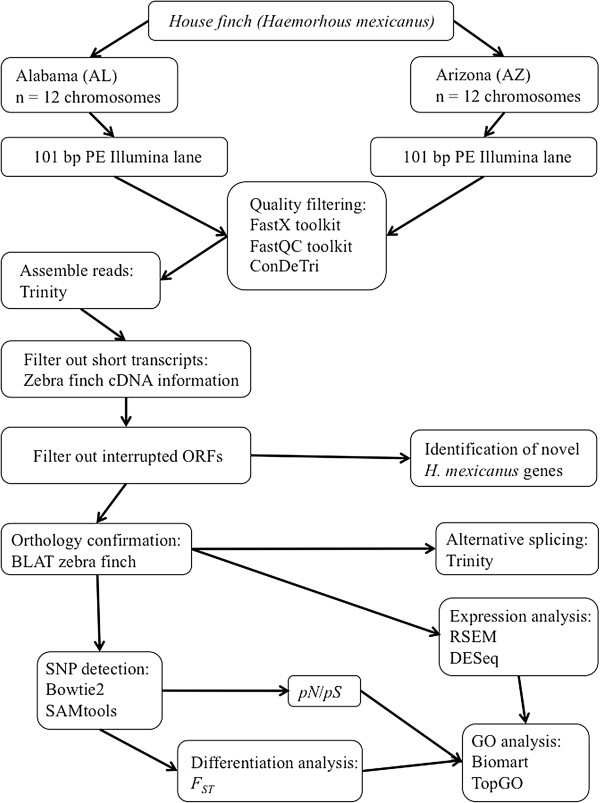
With its plumage color dimorphism and unique history in North America, including a recent population expansion and an epizootic of Mycoplasma gallisepticum (MG), the house finch (Haemorhous mexicanus) is a model species for studying sexual selection, plumage coloration and host-parasite interactions. As part of our ongoing efforts to make available genomic resources for this species, here we report a transcriptome assembly derived from genes expressed in spleen.
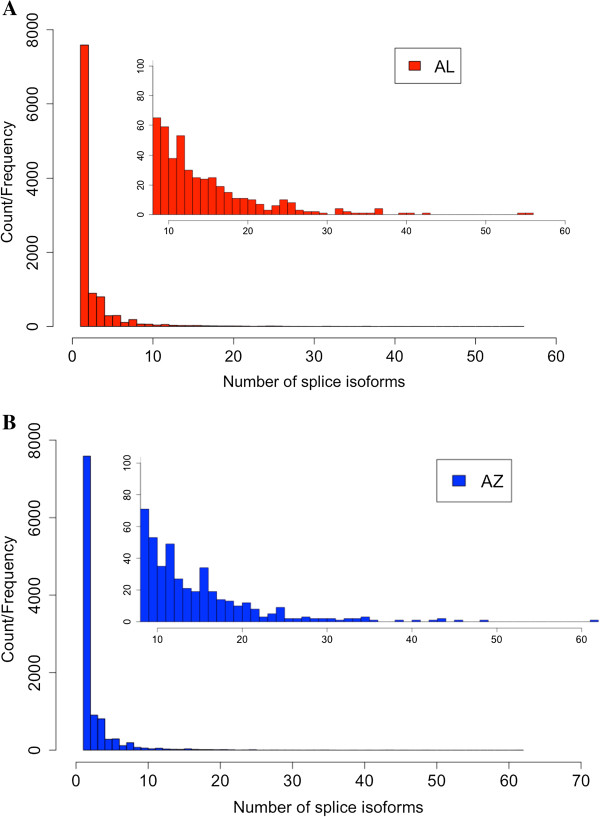
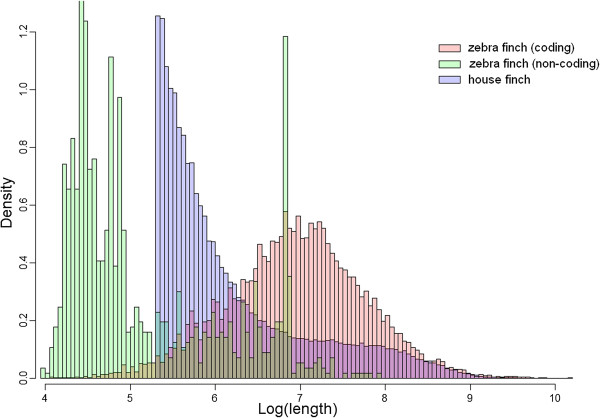
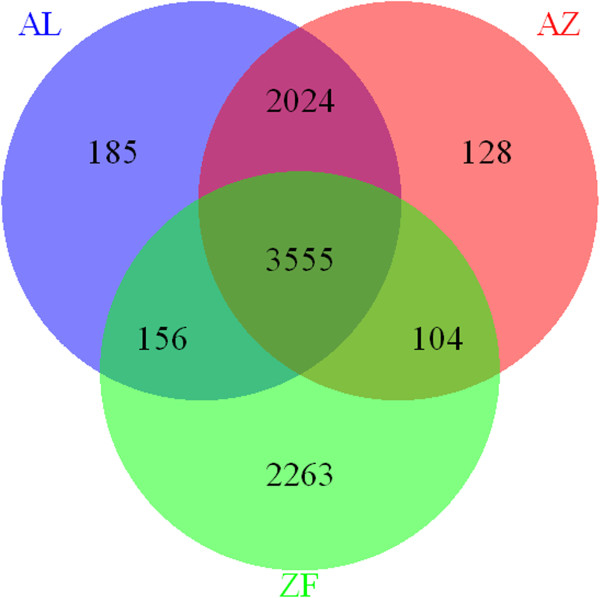
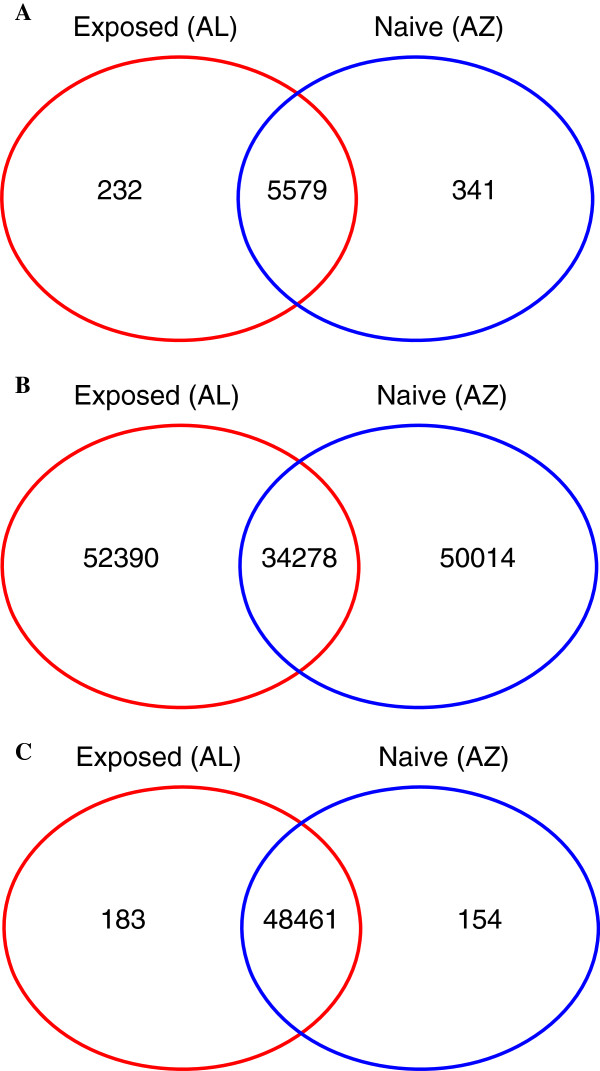
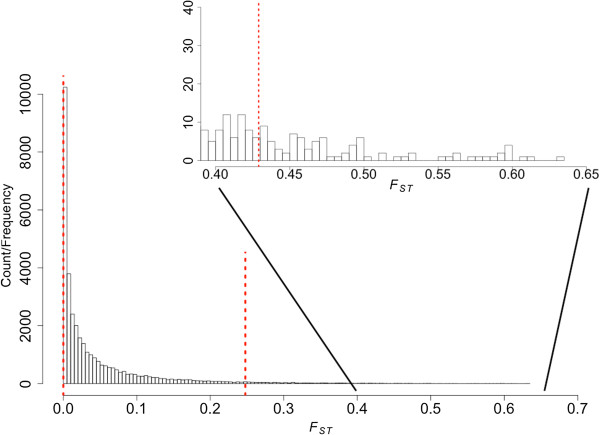
We characterize transcriptomes from two populations with different histories of demography and disease exposure: a recently founded population in the eastern US that has been exposed to MG for over a decade and a native population from the western range that has never been exposed to MG. We utilize this resource to quantify conservation in gene expression in passerine birds over approximately 50 MY by comparing splenic expression profiles for 9,646 house finch transcripts and those from zebra finch and find that less than half of all genes expressed in spleen in either species are expressed in both species. Comparative gene annotations from several vertebrate species suggest that the house finch transcriptomes contain ~15 genes not yet found in previously sequenced vertebrate genomes. The house finch transcriptomes harbour ~85,000 SNPs, ~20,000 of which are non-synonymous. Although not yet validated by biological or technical replication, we identify a set of genes exhibiting differences between populations in gene expression (n = 182; 2% of all transcripts), allele frequencies (76 FST ouliers) and alternative splicing as well as genes with several fixed non-synonymous substitutions; this set includes genes with functions related to double-strand break repair and immune response.
The two house finch spleen transcriptome profiles will add to the increasing data on genome and transcriptome sequence information from natural populations. Differences in splenic expression between house finch and zebra finch imply either significant evolutionary turnover of splenic expression patterns or different physiological states of the individuals examined. The transcriptome resource will enhance the potential to annotate an eventual house finch genome, and the set of gene-based high-quality SNPs will help clarify the genetic underpinnings of host-pathogen interactions and sexual selection.
家朱雀(Haemorhous mexicanus)具有羽毛颜色二态性,且在北美有着独特的历史,包括近期的种群扩张以及鸡败血支原体(MG)的一次 epizootic(此处未明确该词准确含义,可译为“动物疫病流行”之类),它是研究性选择、羽毛着色和宿主 - 寄生虫相互作用的模式物种。作为我们为该物种提供基因组资源的持续努力的一部分,在此我们报告了一个源自脾脏中表达基因的转录组组装。
我们对来自两个具有不同种群统计学历史和疾病暴露史的种群的转录组进行了表征:一个是美国东部最近建立的种群,该种群已接触 MG 超过十年;另一个是来自西部区域的本地种群,其从未接触过 MG。我们利用这一资源,通过比较 9646 个家朱雀转录本以及斑胸草雀转录本的脾脏表达谱,来量化雀形目鸟类在大约 5000 万年时间里基因表达的保守性,发现两个物种中在脾脏中表达的所有基因中,不到一半的基因在两个物种中都有表达。来自几种脊椎动物物种的比较基因注释表明,家朱雀转录组包含约 15 个在先前测序的脊椎动物基因组中尚未发现的基因。家朱雀转录组含有约 85000 个单核苷酸多态性(SNP),其中约 20000 个是非同义的。尽管尚未通过生物学或技术重复验证,但我们鉴定出一组在基因表达(n = 182;占所有转录本的 2%)、等位基因频率(76 个 FST 异常值)和可变剪接方面在种群间存在差异的基因,以及具有多个固定非同义替换的基因;这一组包括与双链断裂修复和免疫反应相关功能的基因。
这两个家朱雀脾脏转录组图谱将增加来自自然种群的基因组和转录组序列信息方面日益增多的数据。家朱雀和斑胸草雀在脾脏表达上的差异意味着脾脏表达模式要么有显著的进化更替,要么所检测个体的生理状态不同。该转录组资源将增强注释最终家朱雀基因组的潜力,而基于基因的高质量 SNP 集合将有助于阐明宿主 - 病原体相互作用和性选择的遗传基础。