Kumar S, Cole R, Chiappelli F, de Vellis J
Department of Anatomy and Cell Biology, University of California, Los Angeles 90024.
Proc Natl Acad Sci U S A. 1989 Sep;86(17):6807-11. doi: 10.1073/pnas.86.17.6807.
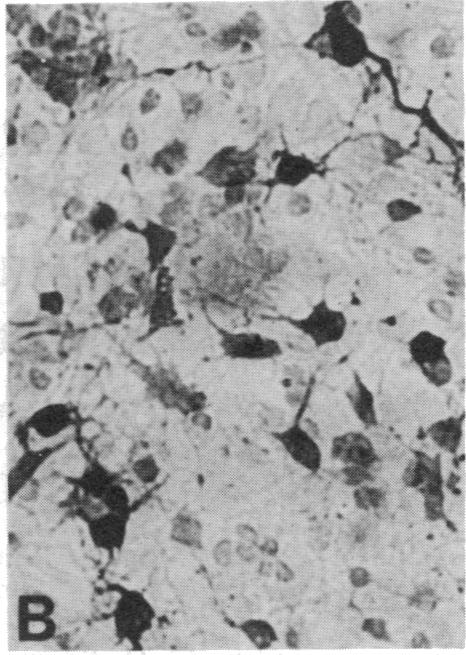
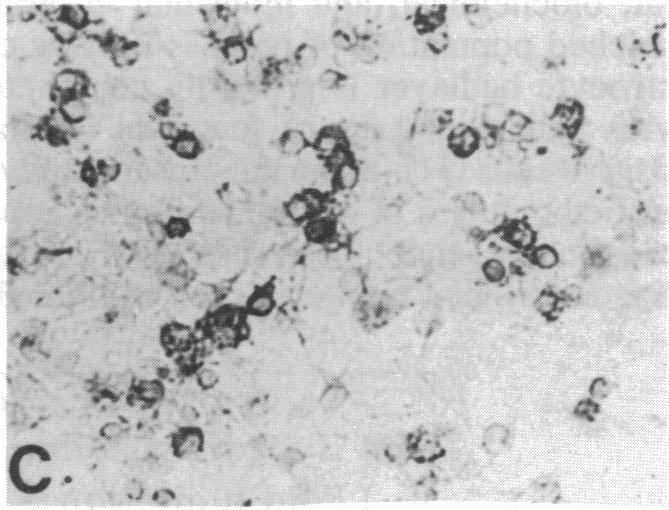
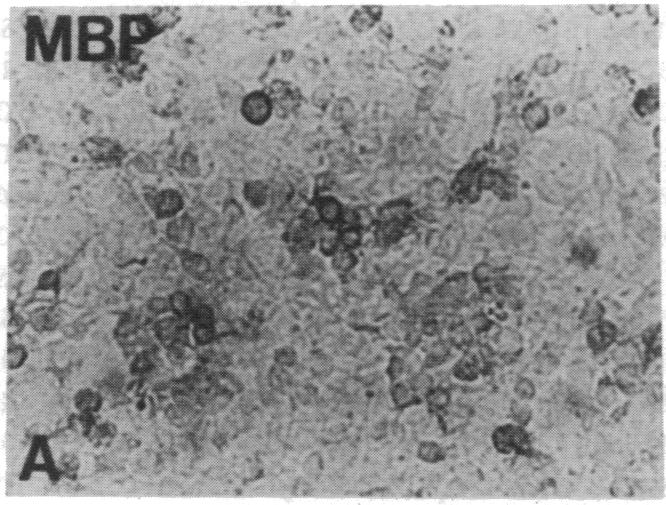
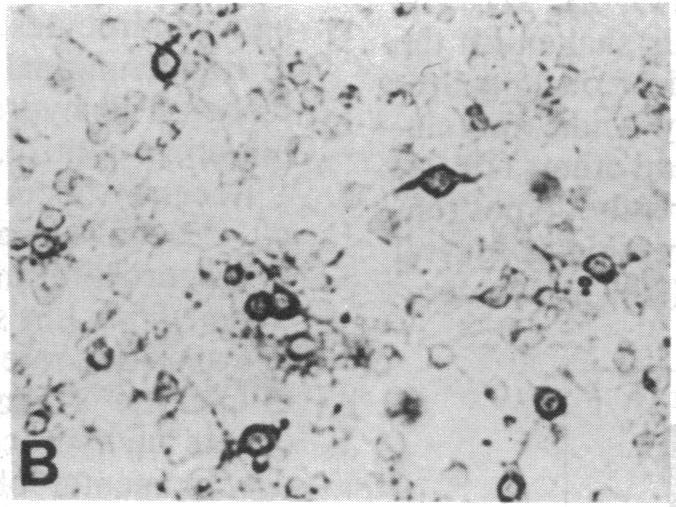
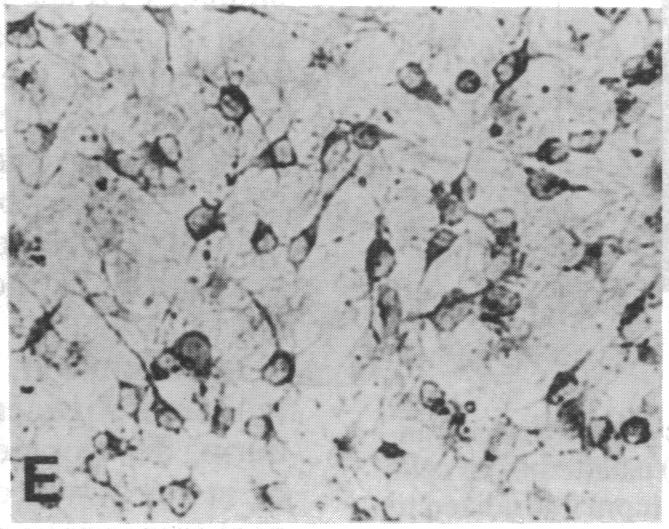
During neonatal development glucocorticoids potentiate oligodendrocyte differentiation and myelinogenesis by regulating the expression of myelin basic protein, proteolipid protein, and glycerol phosphate dehydrogenase (sn-glycerol-3-phosphate: NAD+ 2-oxidoreductase, EC 1.1.1.8). The actual locus at which hydrocortisone exerts its developmental influence on glial physiology is, however, not well understood. Glycerol phosphate dehydrogenase is glucocorticoid-inducible in oligodendrocytes at all stages of development both in vivo and in vitro. In newborn rat cerebral cultures, between 9 and 15 days in vitro, a 2- to 3-fold increase in myelin basic protein and proteolipid protein mRNA levels occurs in oligodendrocytes within 12 hr of hydrocortisone treatment. Immunostaining demonstrates that this increase in mRNAs is followed by a 2- to 3-fold increase in the protein levels within 24 hr. In vitro transcription assays performed with oligodendrocyte nuclei show an 11-fold increase in the transcriptional activity of glycerol phosphate dehydrogenase in response to hydrocortisone but no increase in transcription of myelin basic protein or proteolipid protein. These results indicate that during early myelinogenesis, glucocorticoids influence the expression of key oligodendroglial markers by different processes: The expression of glycerol phosphate dehydrogenase is regulated at the transcriptional level, whereas the expression of myelin basic protein and proteolipid protein is modulated via a different, yet uncharacterized, mechanism involving post-transcriptional regulation.
在新生儿发育过程中,糖皮质激素通过调节髓鞘碱性蛋白、蛋白脂质蛋白和甘油磷酸脱氢酶(sn-甘油-3-磷酸:NAD+ 2-氧化还原酶,EC 1.1.1.8)的表达来增强少突胶质细胞的分化和髓鞘形成。然而,氢化可的松对神经胶质生理发挥发育影响的实际位点尚不清楚。在体内和体外发育的各个阶段,少突胶质细胞中的甘油磷酸脱氢酶都是糖皮质激素诱导型的。在新生大鼠脑培养物中,体外培养9至15天时,氢化可的松处理12小时内,少突胶质细胞中髓鞘碱性蛋白和蛋白脂质蛋白的mRNA水平增加2至3倍。免疫染色表明,mRNA的这种增加之后,24小时内蛋白质水平增加2至3倍。用少突胶质细胞核进行的体外转录分析显示,氢化可的松处理后甘油磷酸脱氢酶的转录活性增加11倍,但髓鞘碱性蛋白或蛋白脂质蛋白的转录没有增加。这些结果表明,在早期髓鞘形成过程中,糖皮质激素通过不同过程影响关键少突胶质细胞标志物的表达:甘油磷酸脱氢酶的表达在转录水平受到调节,而髓鞘碱性蛋白和蛋白脂质蛋白的表达则通过一种不同但尚未明确的机制进行调节,该机制涉及转录后调控。