Ghaemmaghami Sina, Russo Miranda, Renslo Adam R
Department of Biology, University of Rochester , 326 Hutchison Hall, Rochester, New York 14627, United States.
J Med Chem. 2014 Aug 28;57(16):6919-29. doi: 10.1021/jm5001425. Epub 2014 Apr 24.
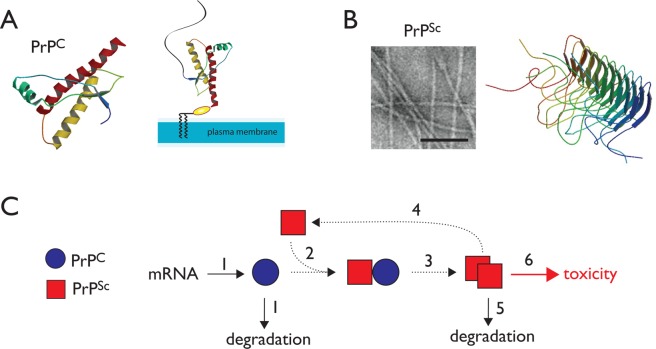
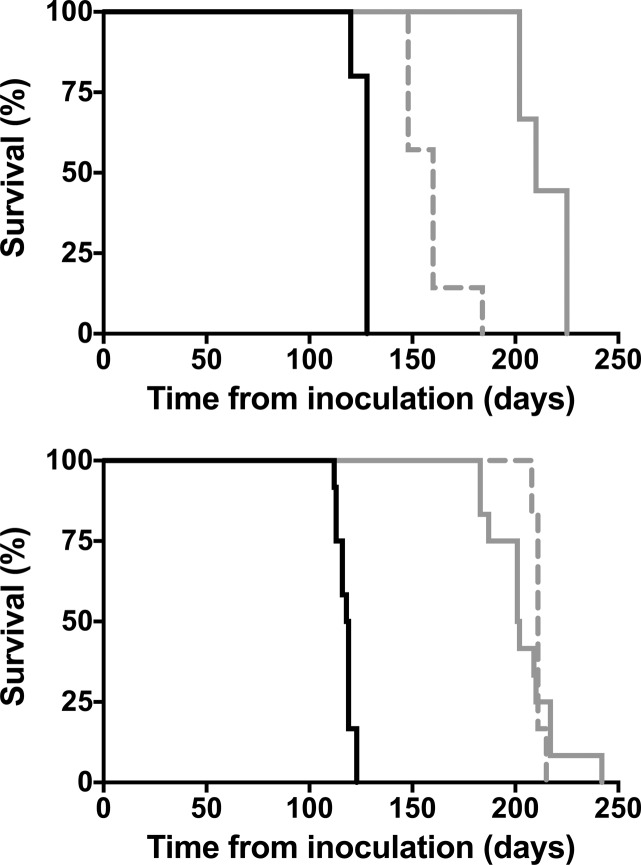
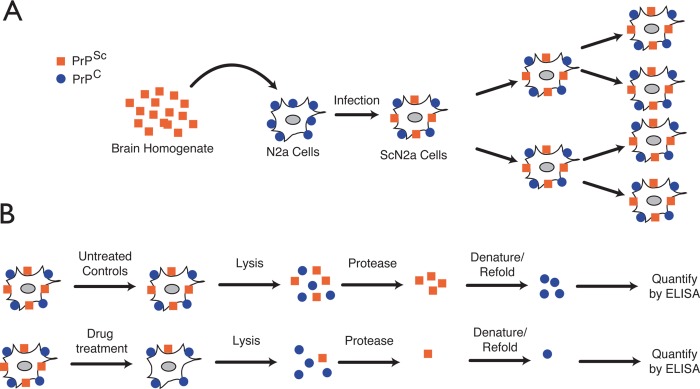
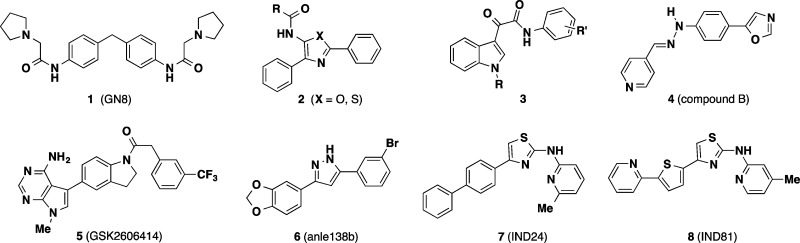
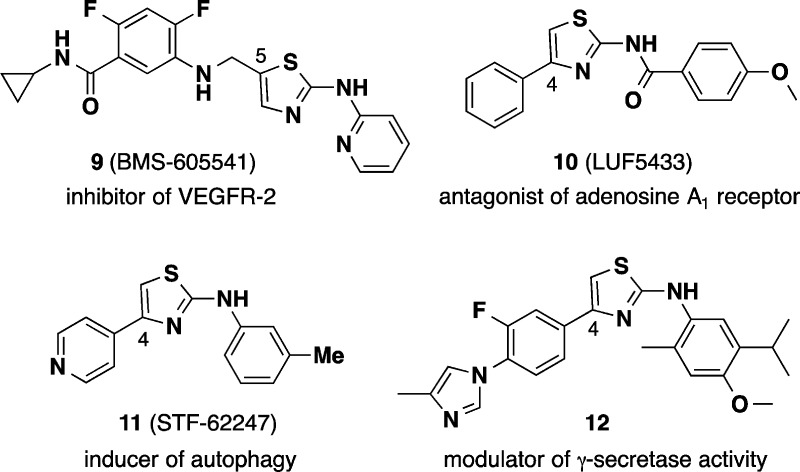
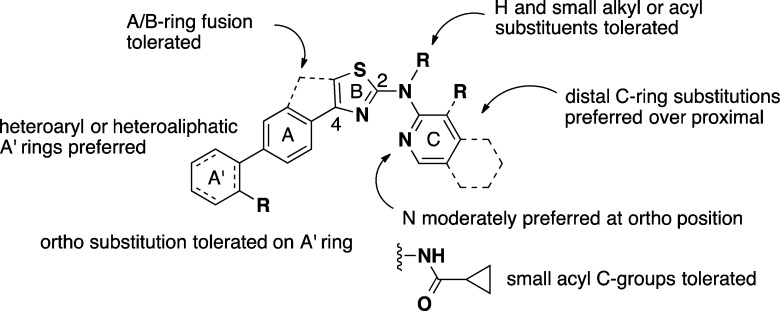
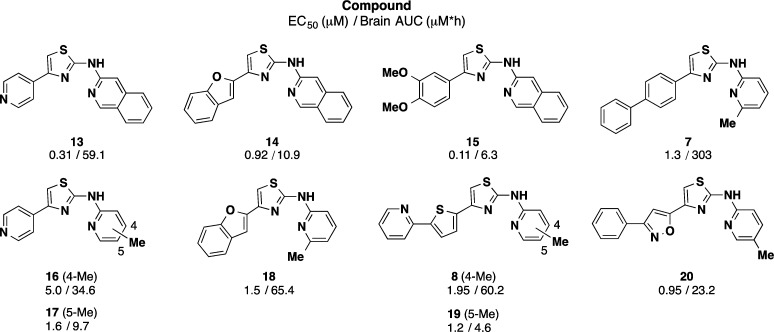
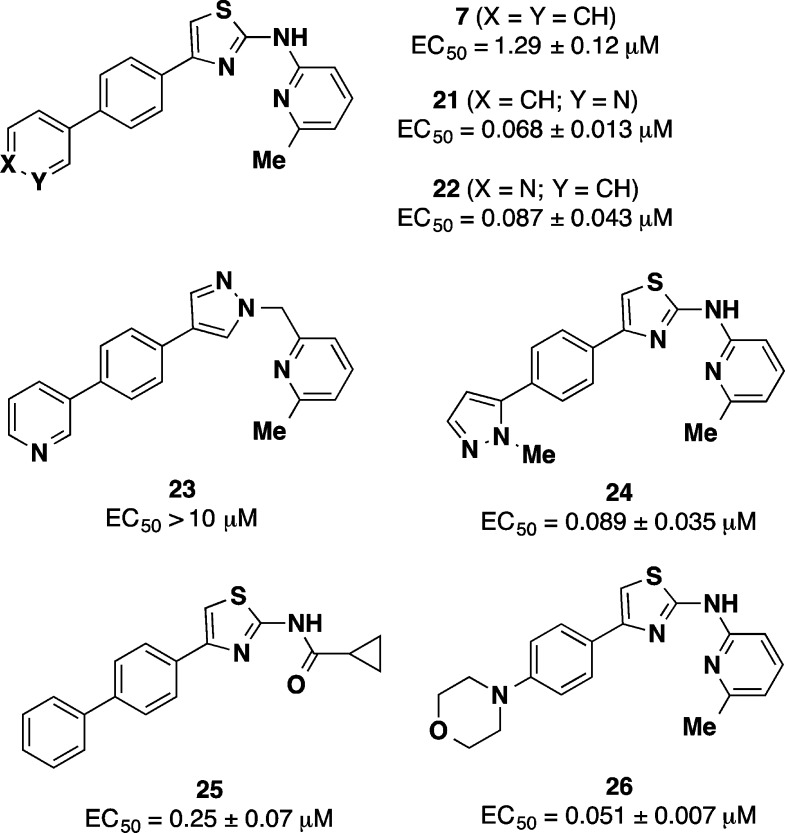
Creutzfeldt-Jakob disease (CJD) is a rare but invariably fatal neurodegenerative disease caused by misfolding of an endogenous protein into an alternative pathogenic conformation. The details of protein misfolding and aggregation are not well understood nor are the mechanism(s) by which the aggregated protein confers cellular toxicity. While there is as yet no clear consensus about how best to intervene therapeutically in CJD, prion infections can be propagated in cell culture and in experimental animals, affording both in vitro and in vivo models of disease. Here we review recent lead discovery efforts for CJD, with a focus on our own efforts to optimize 2-aminothiazole analogues for anti-prion potency in cells and for brain exposure in mice. The compounds that emerged from this effort were found to be efficacious in multiple animal models of prion disease even as they revealed new challenges for the field, including the emergence of resistant prion strains.
克雅氏病(CJD)是一种罕见但必然致命的神经退行性疾病,由内源性蛋白质错误折叠成另一种致病构象引起。蛋白质错误折叠和聚集的细节尚未完全了解,聚集蛋白产生细胞毒性的机制也不清楚。虽然对于如何最好地对克雅氏病进行治疗干预尚无明确共识,但朊病毒感染可在细胞培养和实验动物中传播,从而提供了疾病的体外和体内模型。在此,我们综述了近期针对克雅氏病的先导化合物发现工作,重点介绍了我们自己为优化2-氨基噻唑类似物在细胞中的抗朊病毒效力以及在小鼠体内的脑内暴露而做出的努力。从这项工作中得到的化合物在多种朊病毒病动物模型中被发现是有效的,尽管它们也为该领域揭示了新的挑战,包括耐药朊病毒株的出现。