Magata Fumie, Horiuchi Maya, Miyamoto Akio, Shimizu Takashi
Graduate School of Animal and Food Hygiene, Obihiro University of Agriculture and Veterinary Medicine, 0808555 Obihiro, Japan.
J Reprod Dev. 2014;60(4):280-7. doi: 10.1262/jrd.2013-124. Epub 2014 Apr 25.
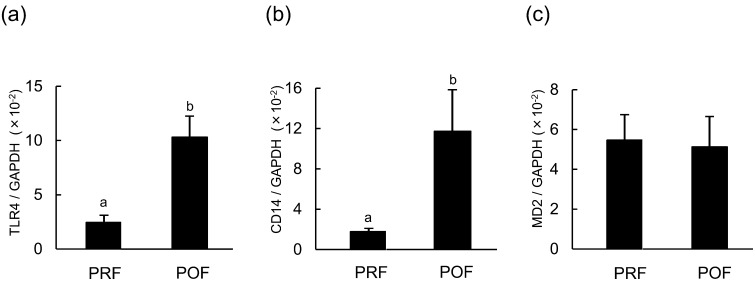
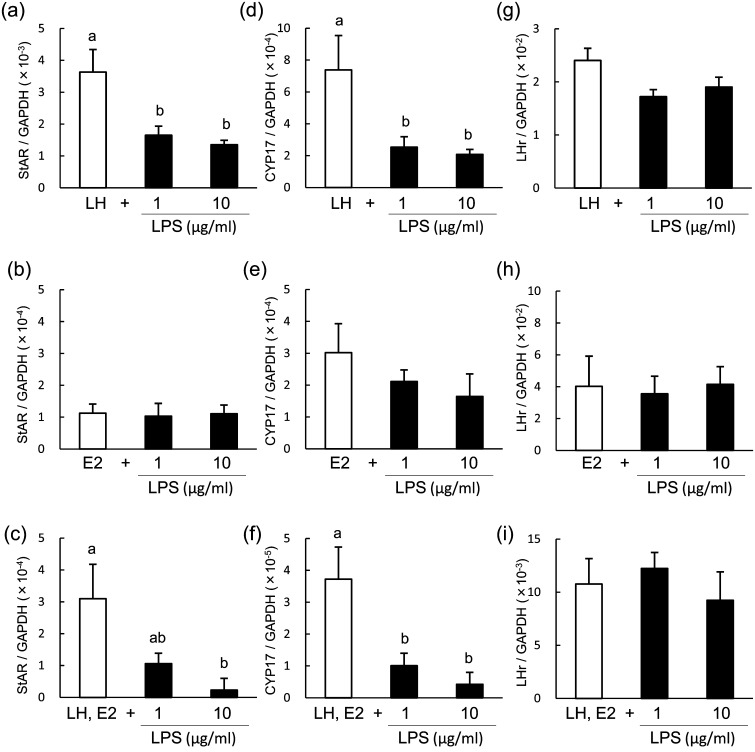
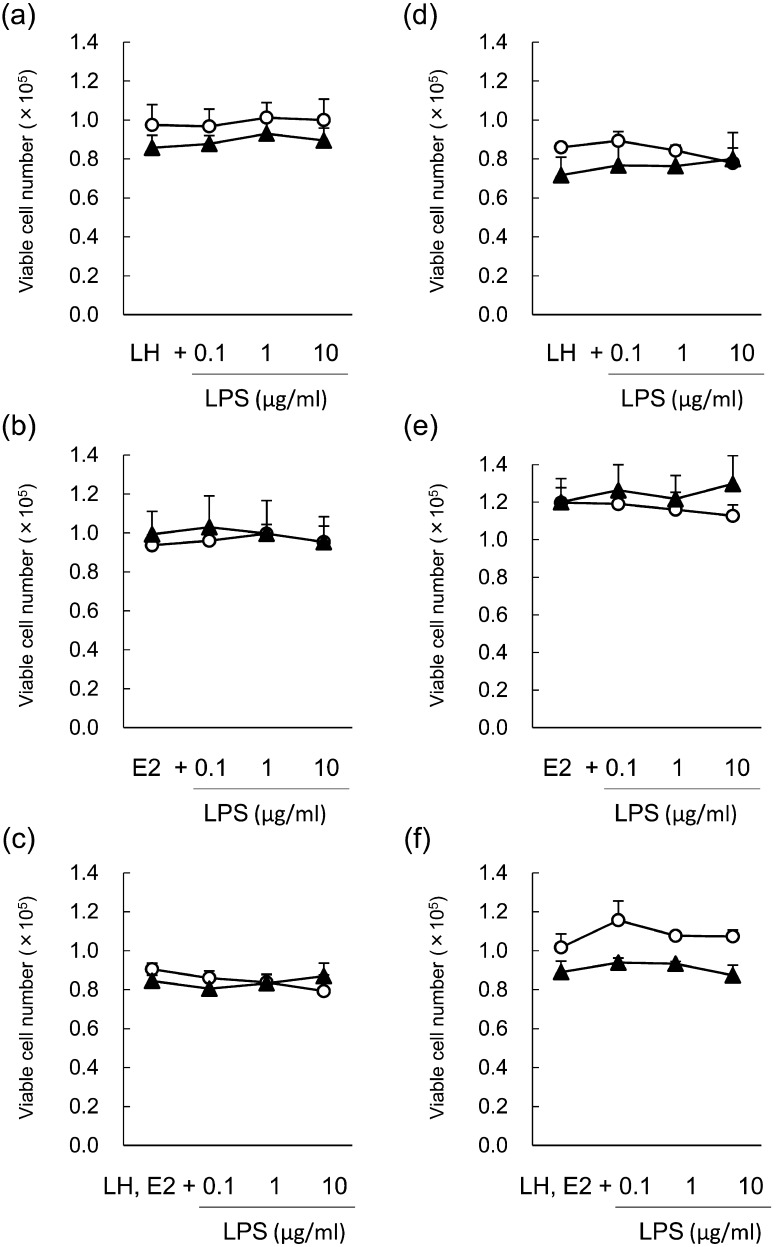
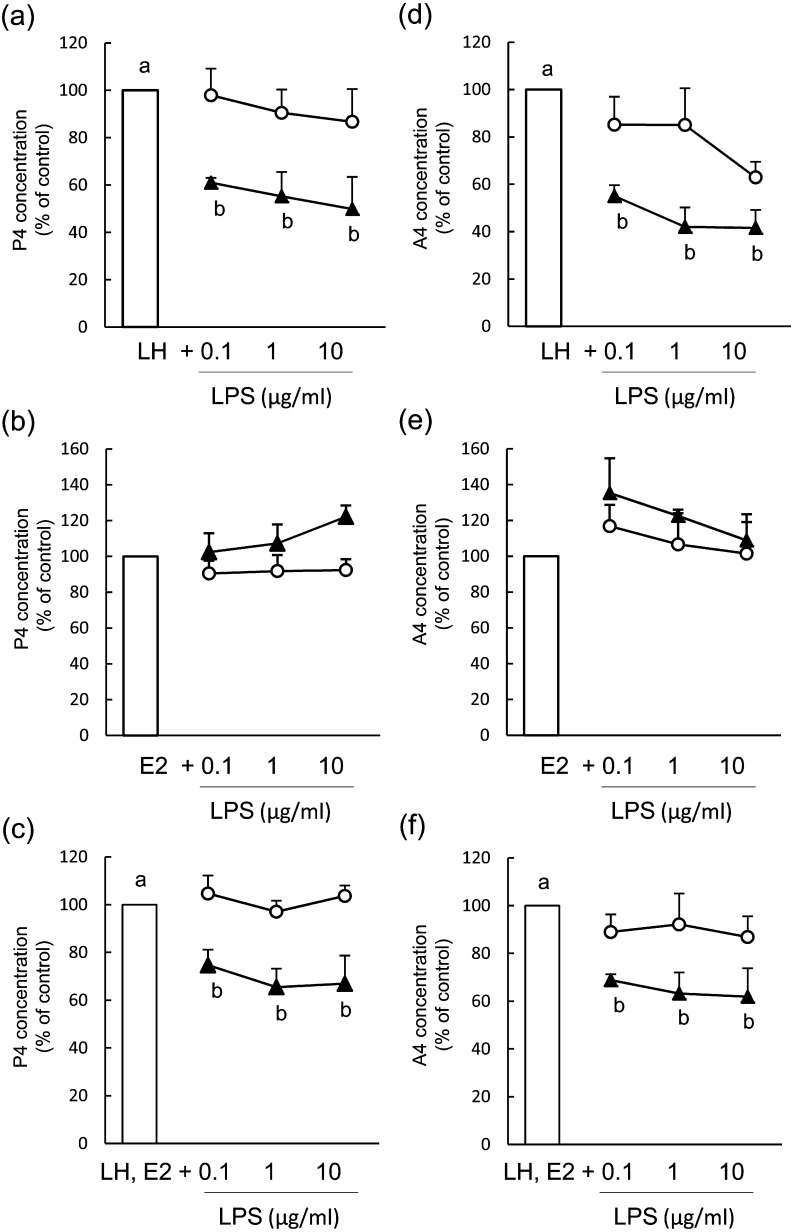
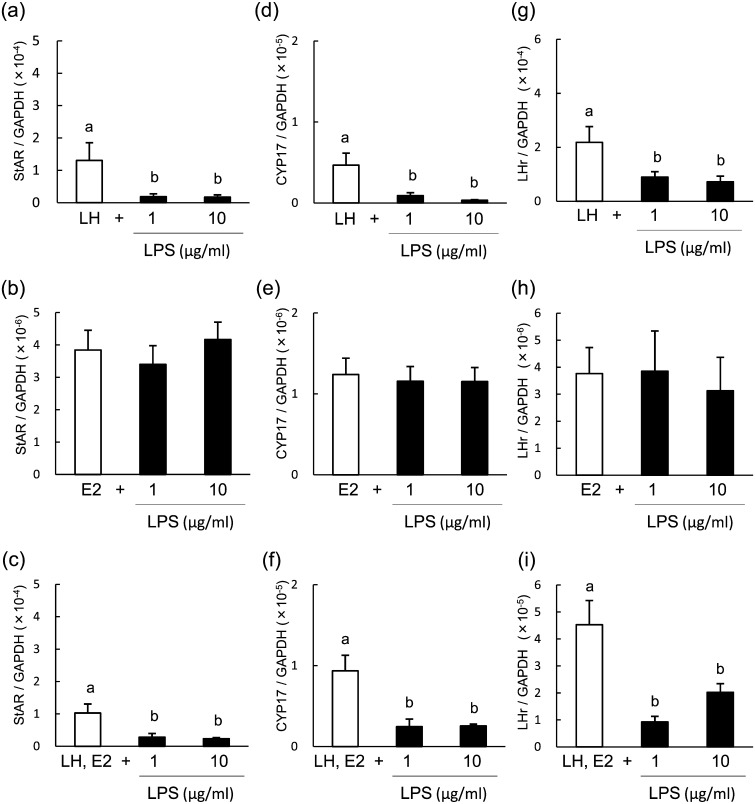
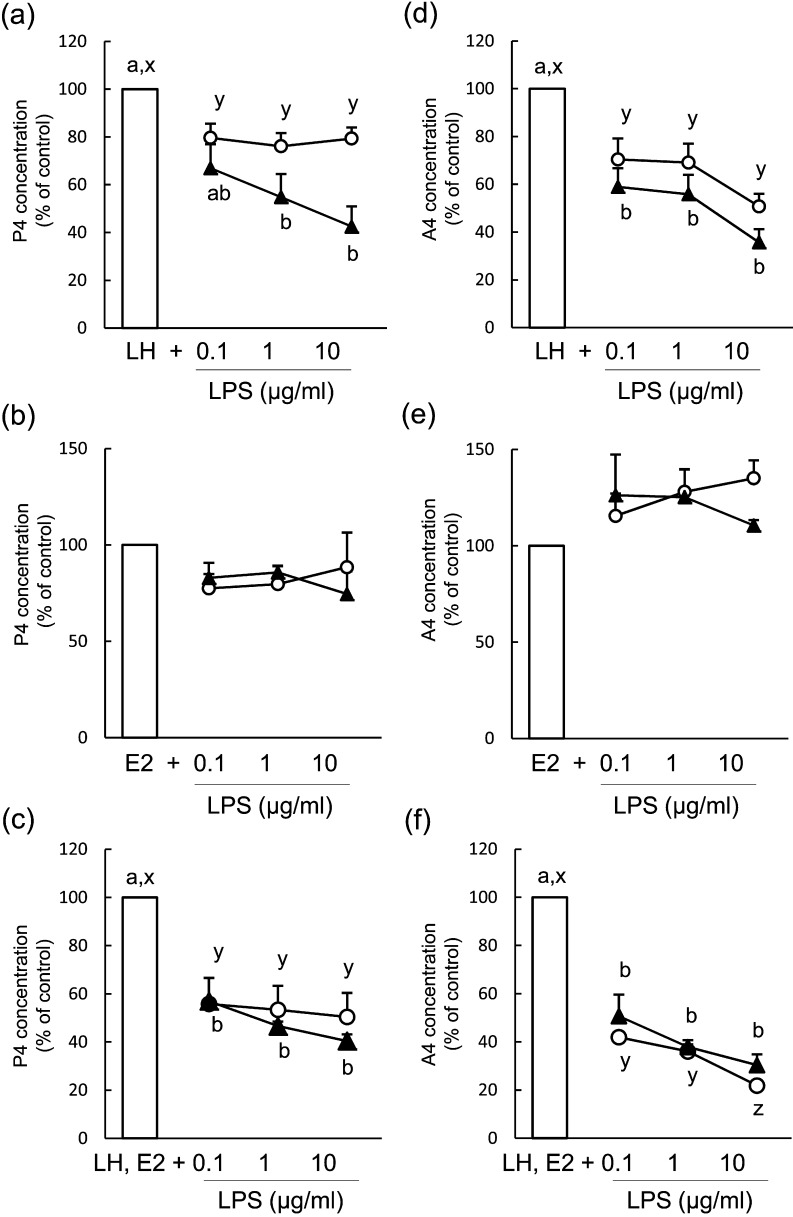
In postpartum dairy cows, lipopolysaccharide (LPS) derived from gram-negative bacteria such as Escherichia coli causes uterine inflammation and leads to ovarian dysfunction. The aim of this study was to determine the effect of LPS on steroid production in bovine theca cells at different stages of follicular development. Theca cells isolated from pre- and post-selection follicles (PRFs, <8.5 mm in diameter, and POFs, >8.5 mm in diameter, respectively) of bovine ovaries were exposed to LPS under luteinizing hormone (LH) conditions, estradiol (E2) conditions or both conditions in vitro. Bovine theca cells expressed the LPS receptor gene complex: Toll-like receptor 4 (TLR4), CD14 and MD2. LPS suppressed progesterone (P4) and androstenedione (A4) production with downregulation of steroidogenic enzyme transcripts when theca cells were stimulated with LH. By contrast, LPS did not affect P4 or A4 production when theca cells were stimulated with E2. P4 and A4 production in theca cells from PRFs was suppressed by LPS as early as at 48 h of culture, whereas the effect of LPS on theca cells from POFs was observed at 96 h of culture. The results demonstrate that LPS inhibits steroid production in theca cells under LH conditions. Moreover, theca cells from POFs showed a slower response to LPS compared with that of theca cells from PRFs, which might imply a distinct effect of LPS on follicles at different developmental stages. These findings suggest a possible mechanism of ovarian dysfunction and subsequent infertility in cows with endometritis.
在产后奶牛中,源自大肠杆菌等革兰氏阴性菌的脂多糖(LPS)会引发子宫炎症并导致卵巢功能障碍。本研究的目的是确定LPS对卵泡发育不同阶段牛卵泡膜细胞类固醇生成的影响。从牛卵巢的选择前卵泡(PRF,直径<8.5 mm)和选择后卵泡(POF,直径>8.5 mm)中分离出的卵泡膜细胞,在体外分别于促黄体生成素(LH)条件、雌二醇(E2)条件或两种条件下暴露于LPS。牛卵泡膜细胞表达LPS受体基因复合物:Toll样受体4(TLR4)、CD14和MD2。当卵泡膜细胞受到LH刺激时,LPS通过下调类固醇生成酶转录本抑制孕酮(P4)和雄烯二酮(A4)的生成。相比之下,当卵泡膜细胞受到E2刺激时,LPS不影响P4或A4的生成。来自PRF的卵泡膜细胞中的P4和A4生成早在培养48小时时就被LPS抑制,而LPS对来自POF的卵泡膜细胞的影响在培养96小时时才观察到。结果表明,LPS在LH条件下抑制卵泡膜细胞中的类固醇生成。此外,与来自PRF的卵泡膜细胞相比,来自POF的卵泡膜细胞对LPS的反应较慢,这可能意味着LPS对不同发育阶段的卵泡有不同的影响。这些发现提示了患有子宫内膜炎的奶牛卵巢功能障碍及随后不孕症的一种可能机制。