Feng Yi, Pan Tien-Chi, Pant Dhruv K, Chakrabarti Kristi R, Alvarez James V, Ruth Jason R, Chodosh Lewis A
Authors' Affiliations: Departments of Cancer Biology and Abramson Family Cancer Research Institute, Perelman School of Medicine, University of Pennsylvania, Philadelphia, Pennsylvania.
Authors' Affiliations: Departments of Cancer Biology and Medicine; and Abramson Family Cancer Research Institute, Perelman School of Medicine, University of Pennsylvania, Philadelphia, Pennsylvania
Cancer Discov. 2014 Jul;4(7):790-803. doi: 10.1158/2159-8290.CD-13-0548. Epub 2014 Apr 30.
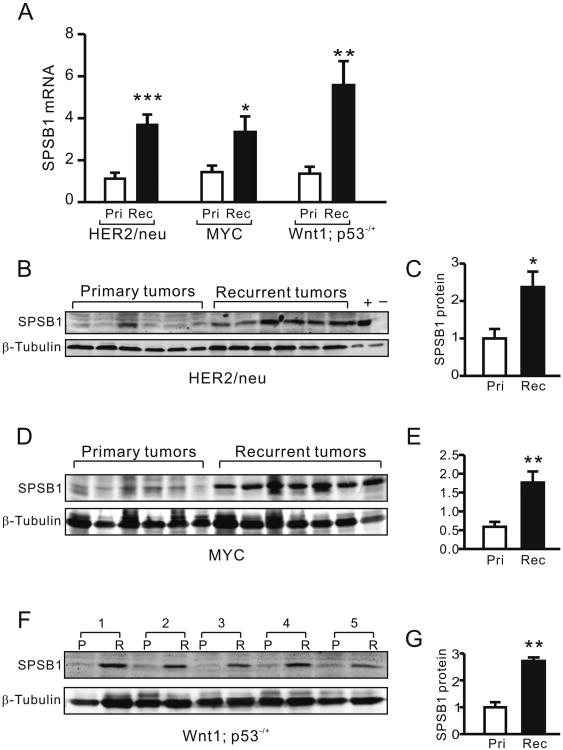
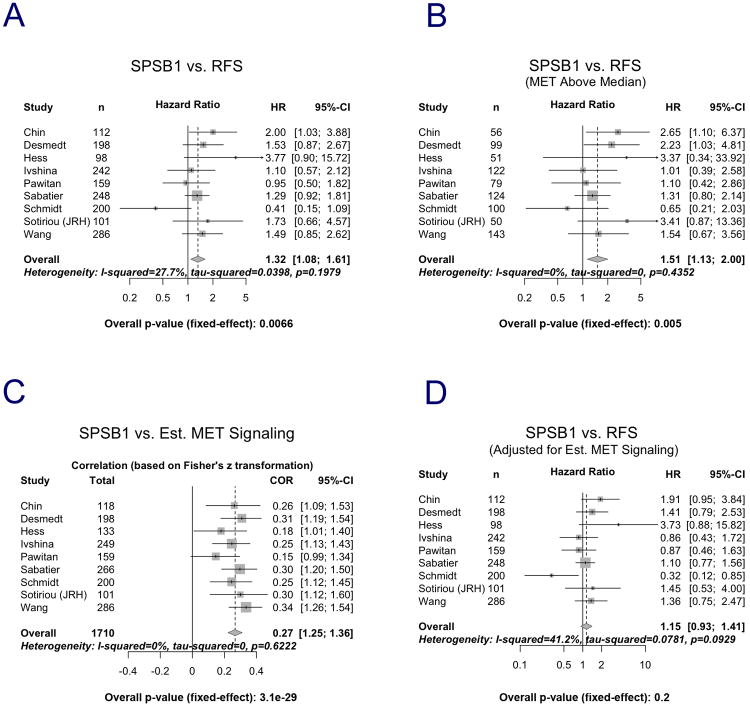
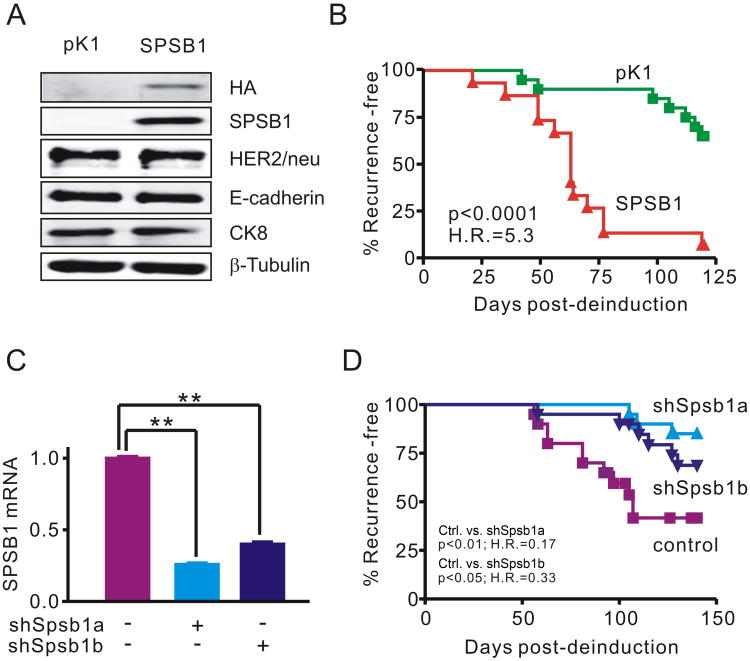
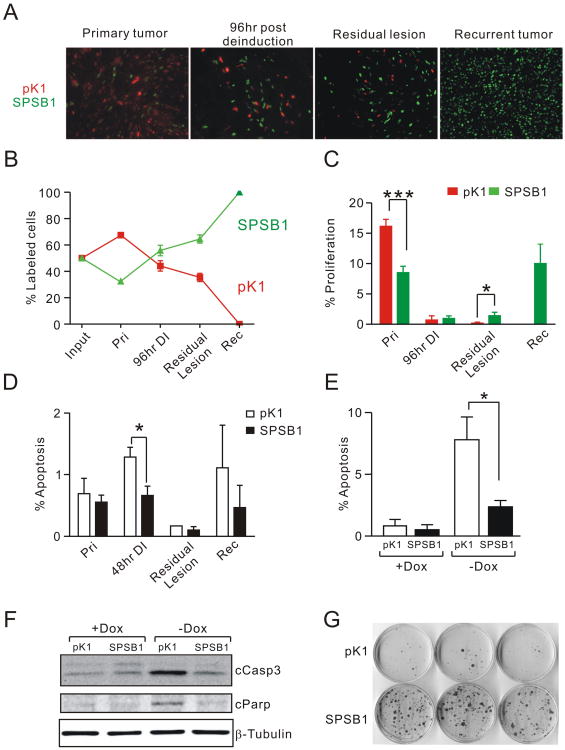
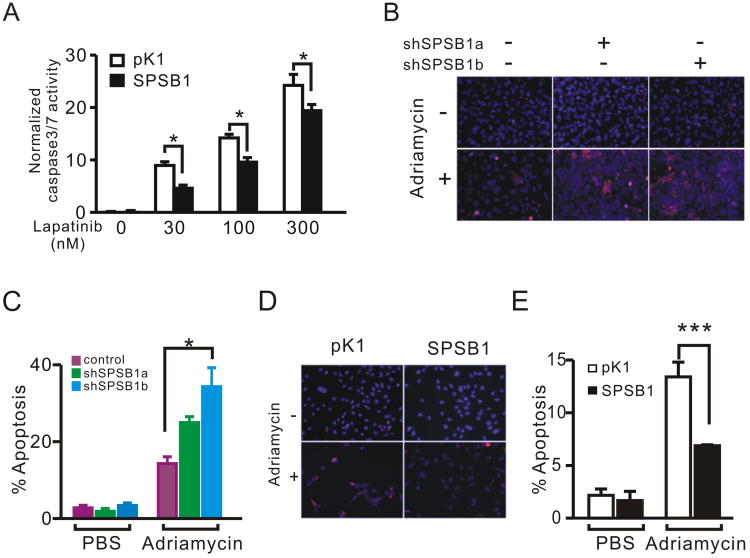
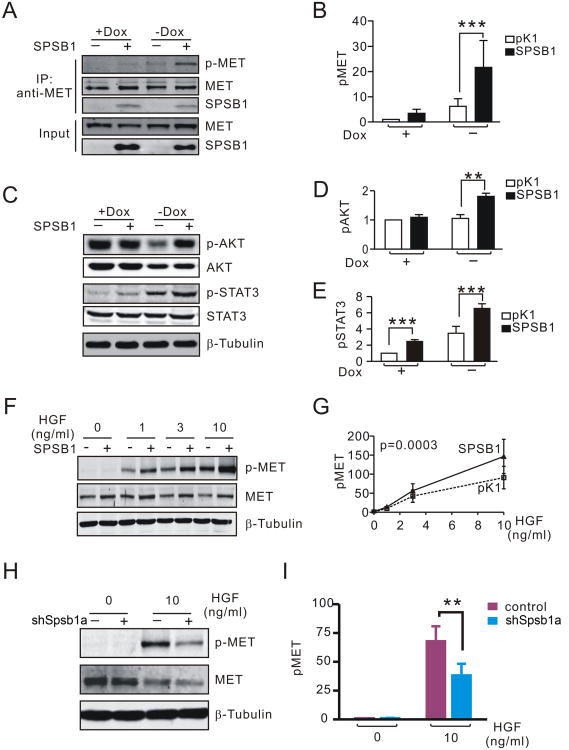
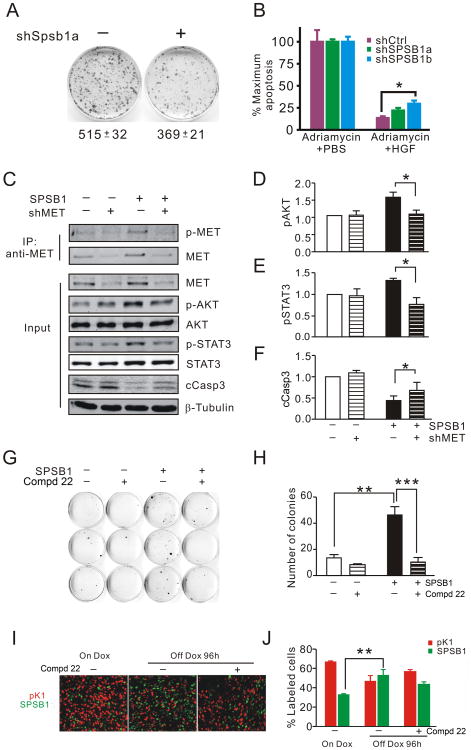
Breast cancer mortality is principally due to tumor recurrence; however, the molecular mechanisms underlying this process are poorly understood. We now demonstrate that the suppressor of cytokine signaling protein SPSB1 is spontaneously upregulated during mammary tumor recurrence and is both necessary and sufficient to promote tumor recurrence in genetically engineered mouse models. The recurrence-promoting effects of SPSB1 result from its ability to protect cells from apoptosis induced by HER2/neu pathway inhibition or chemotherapy. This, in turn, is attributable to SPSB1 potentiation of c-MET signaling, such that preexisting SPSB1-overexpressing tumor cells are selected for following HER2/neu downregulation. Consistent with this, SPSB1 expression is positively correlated with c-MET activity in human breast cancers and with an increased risk of relapse in patients with breast cancer in a manner that is dependent upon c-MET activity. Our findings define a novel pathway that contributes to breast cancer recurrence and provide the first evidence implicating SPSB proteins in cancer.
The principal cause of death from breast cancer is recurrence. This study identifies SPSB1 as a critical mediator of breast cancer recurrence, suggests activation of the SPSB1-c-MET pathway as an important mechanism of therapeutic resistance in breast cancers, and emphasizes that pharmacologic targets for recurrence may be unique to this stage of tumor progression.
乳腺癌死亡率主要归因于肿瘤复发;然而,这一过程背后的分子机制却知之甚少。我们现在证明,细胞因子信号转导抑制蛋白SPSB1在乳腺肿瘤复发过程中会自发上调,并且在基因工程小鼠模型中对于促进肿瘤复发既必要又充分。SPSB1促进复发的作用源于其保护细胞免受HER2/neu通路抑制或化疗诱导的细胞凋亡的能力。反过来,这又归因于SPSB1对c-MET信号的增强作用,使得在HER2/neu下调后,预先存在的SPSB1过表达肿瘤细胞被选择出来。与此一致的是,在人类乳腺癌中,SPSB1表达与c-MET活性呈正相关,并且在依赖于c-MET活性的情况下,与乳腺癌患者复发风险增加相关。我们的研究结果定义了一条导致乳腺癌复发的新途径,并提供了首个将SPSB蛋白与癌症联系起来的证据。
乳腺癌死亡的主要原因是复发。本研究确定SPSB1是乳腺癌复发的关键介质,表明SPSB1-c-MET通路的激活是乳腺癌治疗耐药的重要机制,并强调复发的药理学靶点可能在肿瘤进展的这个阶段是独特的。