Chen Li, Zhang Ze, Qiu Juhui, Zhang Lingling, Luo Xiangdong, Jang Jun
Breast Disease Center, Southwest Hospital, Third Military Medical University, Chongqing, China; Burn Research Institute, Southwest Hospital, Third Military Medical University, Chongqing, China; National Key Laboratory of Trauma and Burns, Chongqing Key Laboratory of Disease Proteomics, Chongqing, China.
Burn Research Institute, Southwest Hospital, Third Military Medical University, Chongqing, China; National Key Laboratory of Trauma and Burns, Chongqing Key Laboratory of Disease Proteomics, Chongqing, China.
PLoS One. 2014 May 1;9(5):e96085. doi: 10.1371/journal.pone.0096085. eCollection 2014.
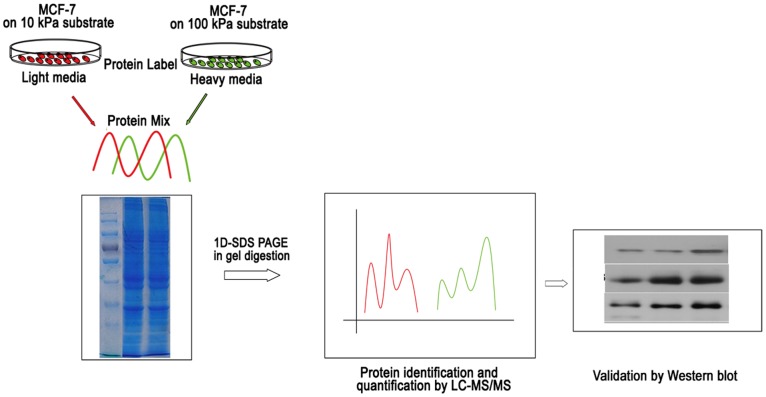
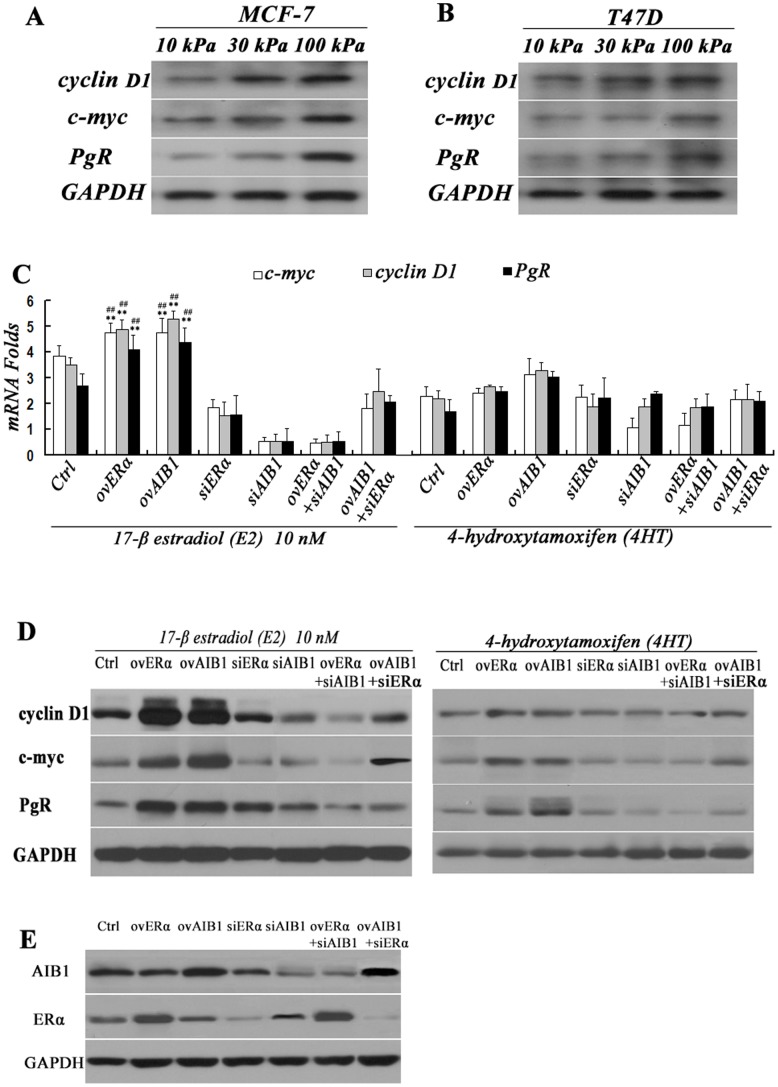
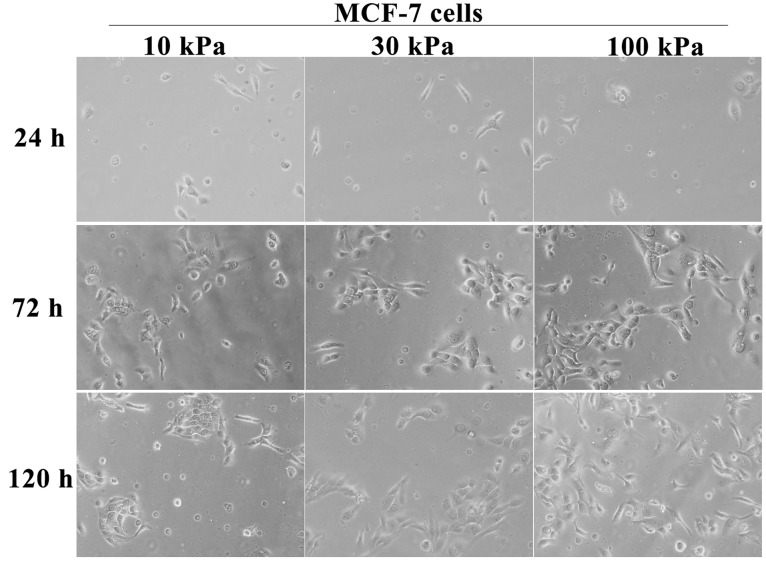
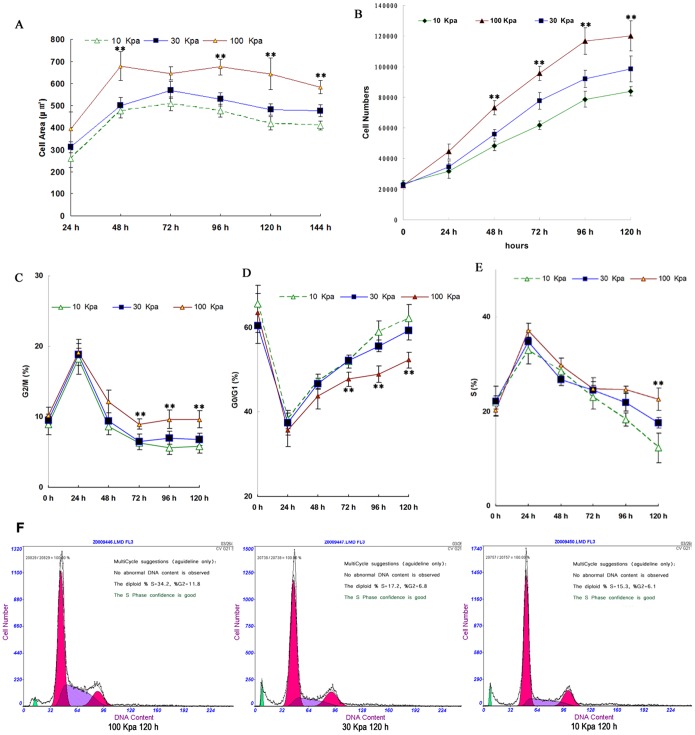
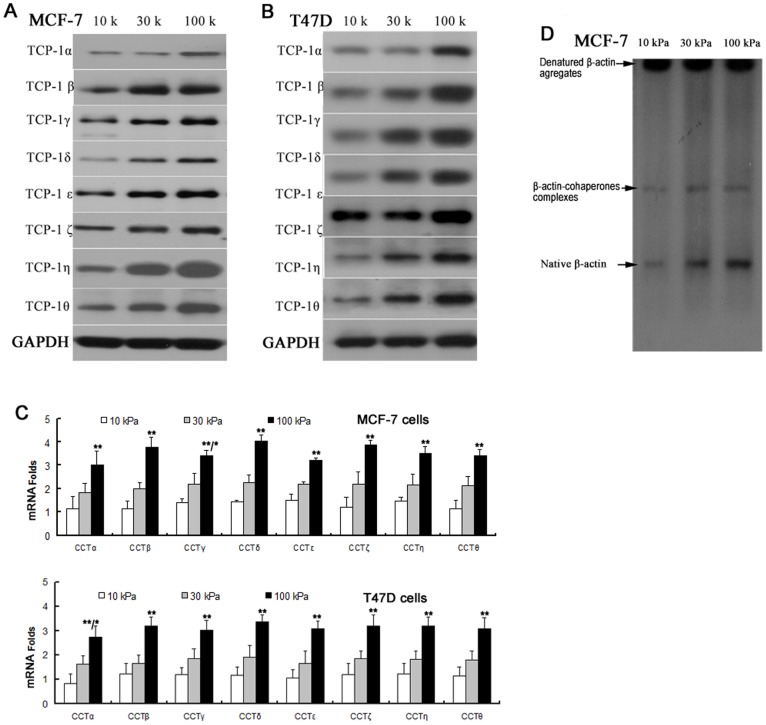
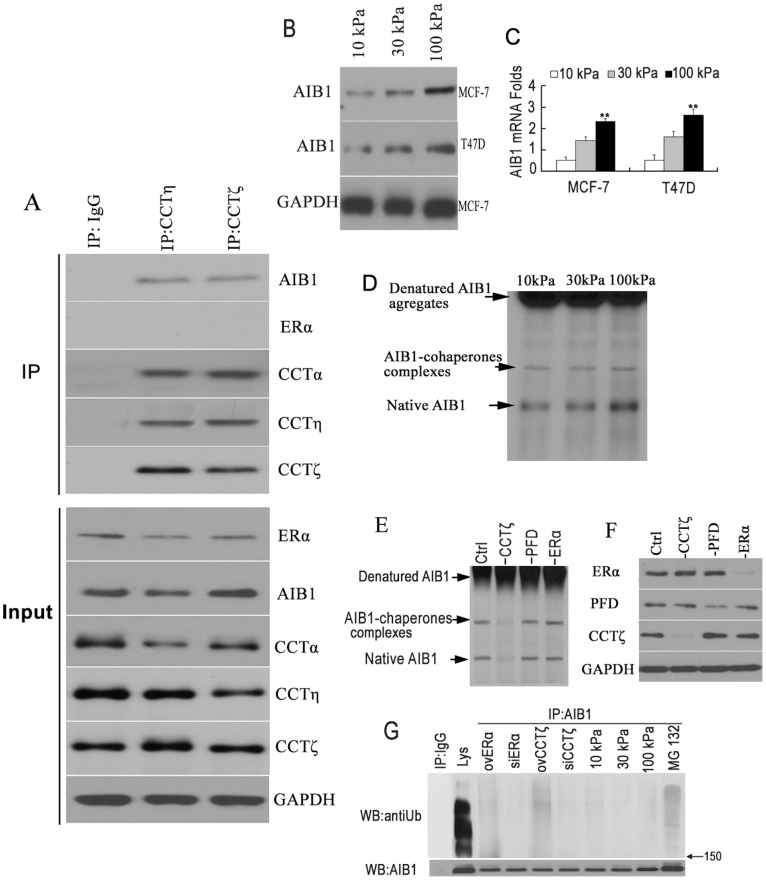
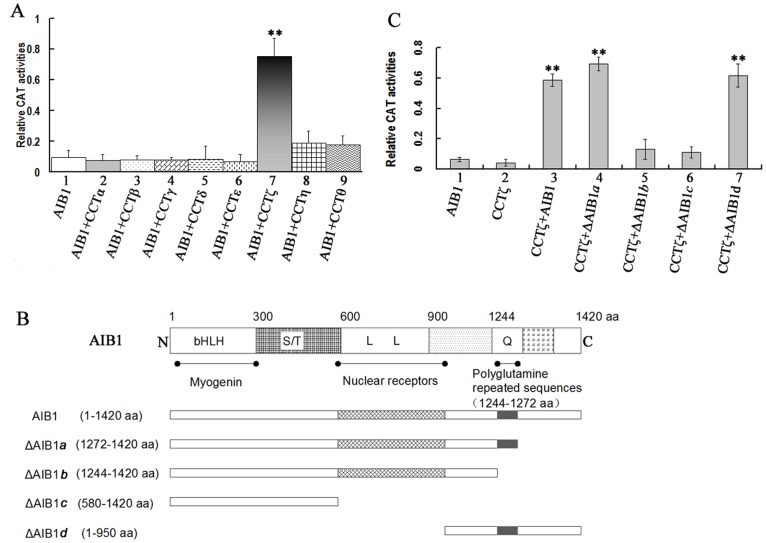
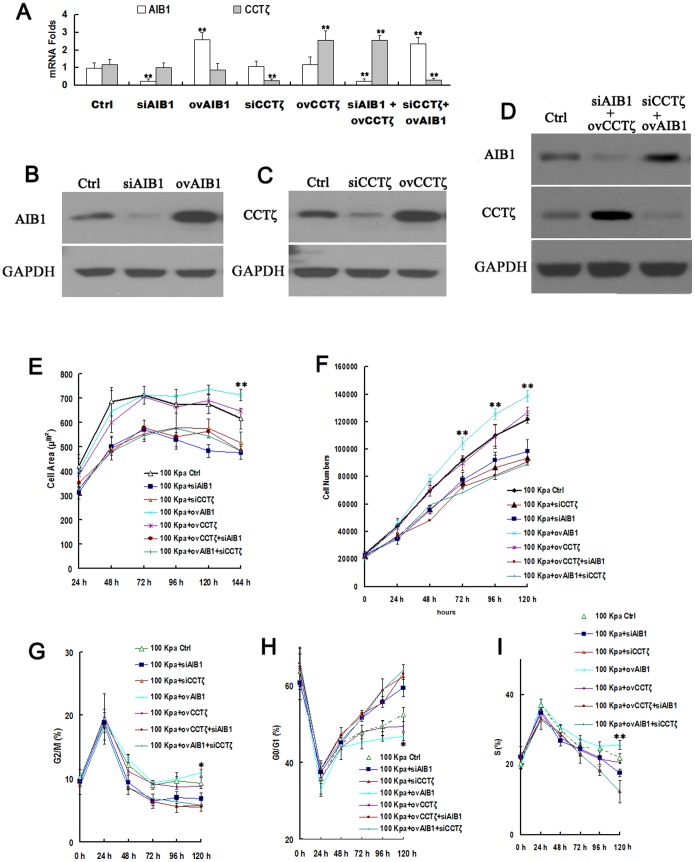
Clinical observations have revealed a strong association between estrogen receptor alpha (ERα)-positive tumors and the development of bone metastases, however, the mechanism underlying this association remains unknown. We cultured MCF-7 (ERα-positive) on different rigidity substrates. Compared with cells grown on more rigid substrates (100 kPa), cells grown on soft substrates (10 kPa) exhibited reduced spreading ability, a lower ratio of cells in the S and G2/M cell cycle phases, and a decreased proliferation rate. Using stable isotope labeling by amino acids (SILAC), we further compared the whole proteome of MCF-7 cells grown on substrates of different rigidity (10 and 100 kPa), and found that the expression of eight members of chaperonin CCT increased by at least 2-fold in the harder substrate. CCT folding activity was increased in the hard substrate compared with the soft substrates. Amplified in breast cancer 1 (AIB1), was identified in CCT immunoprecipitates. CCT folding ability of AIB1 increased on 100-kPa substrate compared with 10- and 30-kPa substrates. Moreover, using mammalian two-hybrid protein-protein interaction assays, we found that the polyglutamine repeat sequence of the AIB1 protein was essential for interaction between CCTζ and AIB1. CCTζ-mediated AIB1 folding affects the cell area spreading, growth rate, and cell cycle. The expressions of the c-myc, cyclin D1, and PgR genes were higher on hard substrates than on soft substrate in both MCF-7 and T47D cells. ERα and AIB1 could up-regulate the mRNA and protein expression levels of the c-myc, cyclin D1, and PgR genes, and that 17 β-estradiol could enhance this effects. Conversely, 4-hydroxytamoxifen, could inhibit these effects. Taken together, our studies demonstrate that some ERα-positive breast cancer cells preferentially grow on more rigid substrates. CCT-mediated AIB1 folding appears to be involved in the rigidity response of breast cancer cells, which provides novel insight into the mechanisms of bone metastasis.
临床观察显示,雌激素受体α(ERα)阳性肿瘤与骨转移的发生之间存在密切关联,然而,这种关联背后的机制仍不清楚。我们在不同硬度的底物上培养MCF-7(ERα阳性)细胞。与在较硬底物(100 kPa)上生长的细胞相比,在软底物(10 kPa)上生长的细胞铺展能力降低,处于S期和G2/M期细胞周期的细胞比例较低,增殖速率下降。使用氨基酸稳定同位素标记法(SILAC),我们进一步比较了在不同硬度(10和100 kPa)底物上生长的MCF-7细胞的全蛋白质组,发现伴侣蛋白CCT的八个成员在较硬底物上的表达至少增加了2倍。与软底物相比,硬底物上CCT的折叠活性增加。在CCT免疫沉淀中鉴定出乳腺癌中扩增的1(AIB1)。与10 kPa和30 kPa底物相比,AIB1在100 kPa底物上的CCT折叠能力增强。此外,使用哺乳动物双杂交蛋白质-蛋白质相互作用分析,我们发现AIB1蛋白的聚谷氨酰胺重复序列对于CCTζ与AIB1之间的相互作用至关重要。CCTζ介导的AIB1折叠影响细胞面积铺展、生长速率和细胞周期。在MCF-7和T47D细胞中,硬底物上c-myc、细胞周期蛋白D1和PgR基因的表达均高于软底物。ERα和AIB1可以上调c-myc、细胞周期蛋白D1和PgR基因的mRNA和蛋白质表达水平,并且17β-雌二醇可以增强这种作用。相反,4-羟基他莫昔芬可以抑制这些作用。综上所述,我们的研究表明,一些ERα阳性乳腺癌细胞优先在更硬的底物上生长。CCT介导的AIB1折叠似乎参与了乳腺癌细胞的硬度反应,这为骨转移机制提供了新的见解。