Tiwari Vinod, Guan Yun, Raja Srinivasa N
Department of Anesthesiology and Critical Care Medicine, Johns Hopkins University School of Medicine, Baltimore, MD 21205, United States.
Department of Anesthesiology and Critical Care Medicine, Johns Hopkins University School of Medicine, Baltimore, MD 21205, United States.
Neurosci Biobehav Rev. 2014 Sep;45:19-27. doi: 10.1016/j.neubiorev.2014.05.002. Epub 2014 May 10.
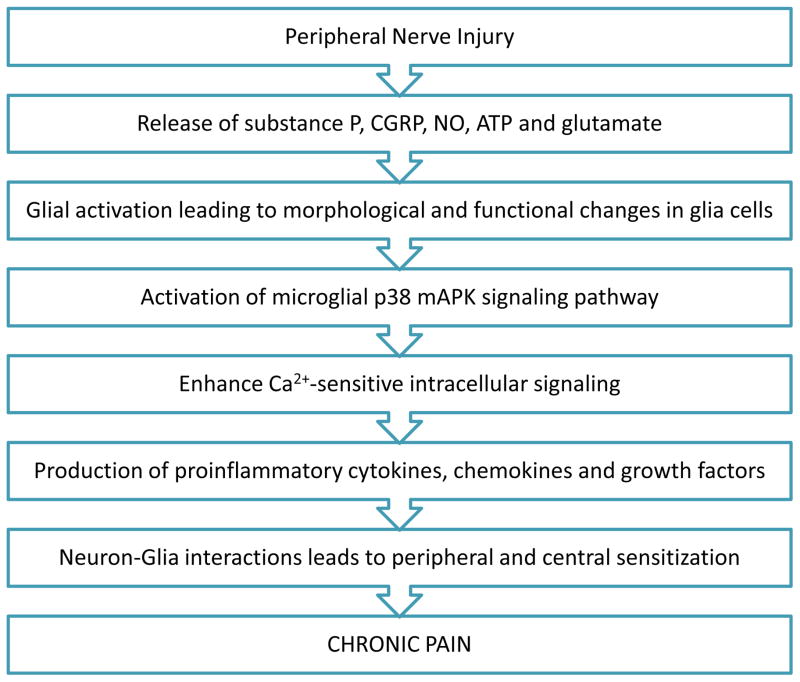
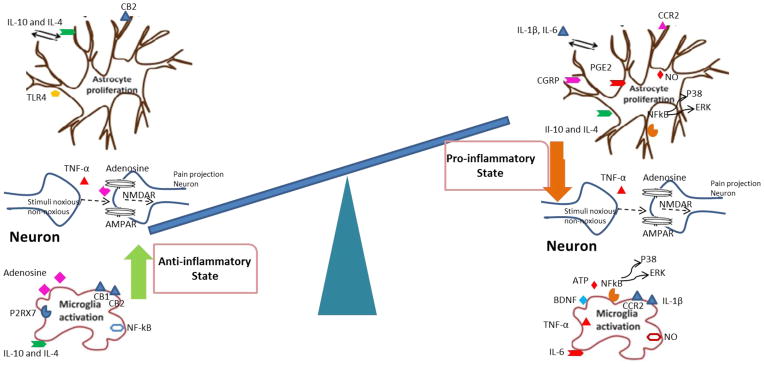
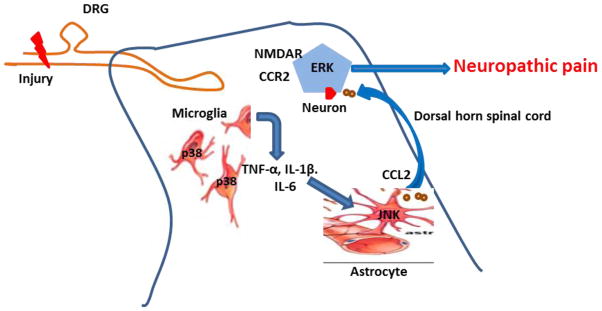
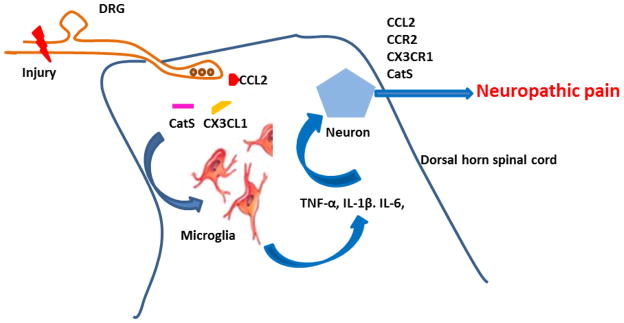
During neuropathic pain, glial cells (mainly astrocytes and microglia) become activated and initiate a series of signaling cascades that modulate pain processing at both spinal and supraspinal levels. It has been generally accepted that glial cell activation contributes to neuropathic pain because glia release proinflammatory cytokines, chemokines, and factors such as calcitonin gene-related peptide, substance P, and glutamate, which are known to facilitate pain signaling. However, recent research has shown that activation of glia also leads to some beneficial outcomes. Glia release anti-inflammatory factors that protect against neurotoxicity and restore normal pain. Accordingly, use of glial inhibitors might compromise the protective functions of glia in addition to suppressing their detrimental effects. With a better understanding of how different conditions affect glial cell activation, we may be able to promote the protective function of glia and pave the way for future development of novel, safe, and effective treatments of neuropathic pain.
在神经性疼痛期间,神经胶质细胞(主要是星形胶质细胞和小胶质细胞)被激活,并启动一系列信号级联反应,在脊髓和脊髓上水平调节疼痛处理过程。人们普遍认为神经胶质细胞的激活会导致神经性疼痛,因为神经胶质细胞会释放促炎细胞因子、趋化因子以及诸如降钙素基因相关肽、P物质和谷氨酸等因子,这些物质已知会促进疼痛信号传递。然而,最近的研究表明,神经胶质细胞的激活也会带来一些有益的结果。神经胶质细胞会释放抗炎因子,这些因子可防止神经毒性并恢复正常疼痛。因此,使用神经胶质抑制剂除了抑制神经胶质细胞的有害作用外,可能还会损害其保护功能。随着对不同条件如何影响神经胶质细胞激活的更好理解,我们或许能够促进神经胶质细胞的保护功能,并为未来开发新型、安全且有效的神经性疼痛治疗方法铺平道路。