Institute for Microbial Biotechnology and Metagenomics, University of the Western Cape, Cape Town, Bellville 7535, South Africa.
Centre for Microbial Ecology and Genomics, Department of Genetics, University of Pretoria, Pretoria 0002, South Africa.
Biology (Basel). 2013 Feb 22;2(1):331-40. doi: 10.3390/biology2010331.
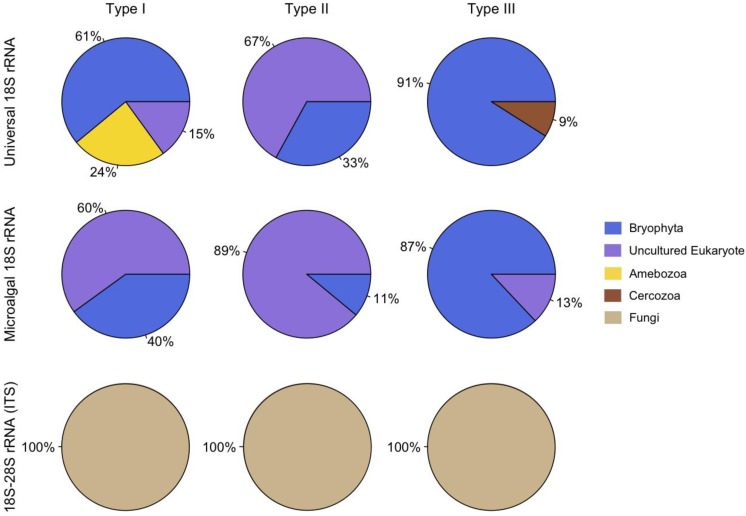
The discovery of extensive and complex hypolithic communities in both cold and hot deserts has raised many questions regarding their ecology, biodiversity and relevance in terms of regional productivity. However, most hypolithic research has focused on the bacterial elements of the community. This study represents the first investigation of micro-eukaryotic communities in all three hypolith types. Here we show that Antarctic hypoliths support extensive populations of novel uncharacterized bryophyta, fungi and protists and suggest that well known producer-decomposer-predator interactions may create the necessary conditions for hypolithic productivity in Antarctic deserts.
在寒冷和炎热的沙漠中发现了广泛而复杂的附石群落,这引发了许多关于它们的生态学、生物多样性以及在区域生产力方面的相关性的问题。然而,大多数附石研究都集中在群落的细菌元素上。本研究代表了对所有三种附石类型中的微真核生物群落的首次调查。在这里,我们表明,南极附石支持大量新型未被描述的苔藓植物、真菌和原生生物的广泛种群,并表明众所周知的生产者-分解者-捕食者相互作用可能为南极沙漠的附石生产力创造必要条件。