Jaramillo-Gonzalez Luis Eduardo, Sanchez-Pedraza Ricardo, Herazo Maria Isabel
Department of Psychiatry, National University of Colombia, Faculty of Medicine, Office 202, Bogotá, Colombia.
BMC Psychiatry. 2014 Jun 2;14:161. doi: 10.1186/1471-244X-14-161.
The rehospitalization of patients with mental disorders is common, with rehospitalization rates of up to 80% observed in these patients. This phenomenon negatively impacts families, patients, and the health care system. Several factors have been associated with an increased likelihood of rehospitalization. This study was aimed at determining the frequency and the factors associated with rehospitalization in a psychiatric clinic.
We performed a prospective cohort study with 361 patients who were hospitalized at the Clinic of Our Lady of Peace in Bogota, Colombia from August-December 2009. We calculated the incidence rates of rehospitalization and the risk factors using Cox regression.
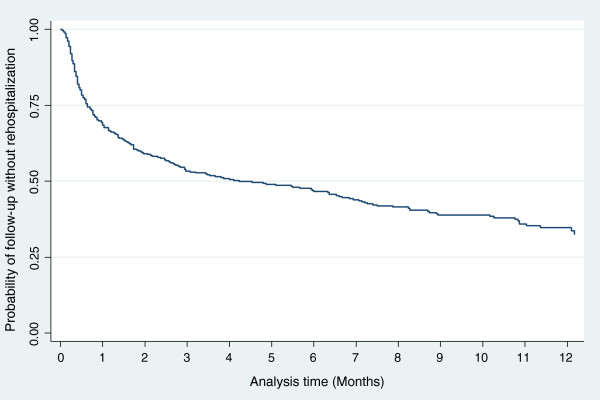
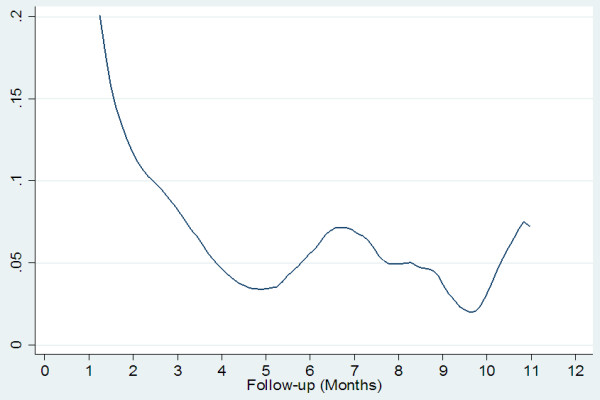
Overall, 60% of the patients in this cohort were rehospitalized during the year that followed the index event. The variables associated with rehospitalization were separated, divorced, or single status; higher socio-economic strata; a longer duration of index hospitalization; and a diagnosis of substance abuse, schizophrenia, bipolar disorder, or depression.
The rehospitalization rate in our study was as high as reported in other studies. The associated factors with it in this group, may contribute to the design of programs that will reduce the frequency of rehospitalization among patients with mental disorders, in countries like Colombia. Additionally, these results may be useful in interventions, such as coping skills training, psycho-education, and community care strategies, which have been demonstrated to reduce the frequency of rehospitalization.
精神障碍患者再次住院的情况很常见,这些患者的再次住院率高达80%。这种现象对家庭、患者和医疗保健系统产生了负面影响。有几个因素与再次住院可能性增加有关。本研究旨在确定一家精神科诊所再次住院的频率及相关因素。
我们对2009年8月至12月在哥伦比亚波哥大和平圣母诊所住院的361名患者进行了一项前瞻性队列研究。我们使用Cox回归计算再次住院的发病率和危险因素。
总体而言,该队列中60%的患者在索引事件后的一年内再次住院。与再次住院相关的变量包括分居、离婚或单身状态;较高的社会经济阶层;索引住院时间较长;以及药物滥用、精神分裂症、双相情感障碍或抑郁症的诊断。
我们研究中的再次住院率与其他研究报告的一样高。该组中与之相关的因素可能有助于设计相关项目,以降低哥伦比亚等国家精神障碍患者的再次住院频率。此外,这些结果可能有助于开展应对技能培训、心理教育和社区护理策略等干预措施,这些措施已被证明可以降低再次住院频率。