Am J Trop Med Hyg. 2014 Aug;91(2):367-373. doi: 10.4269/ajtmh.13-0586. Epub 2014 Jun 2.
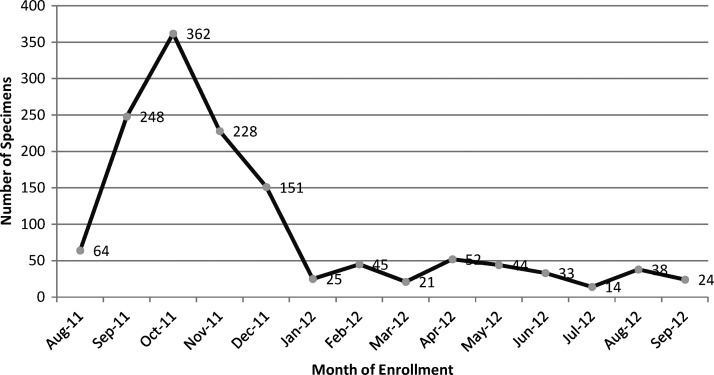
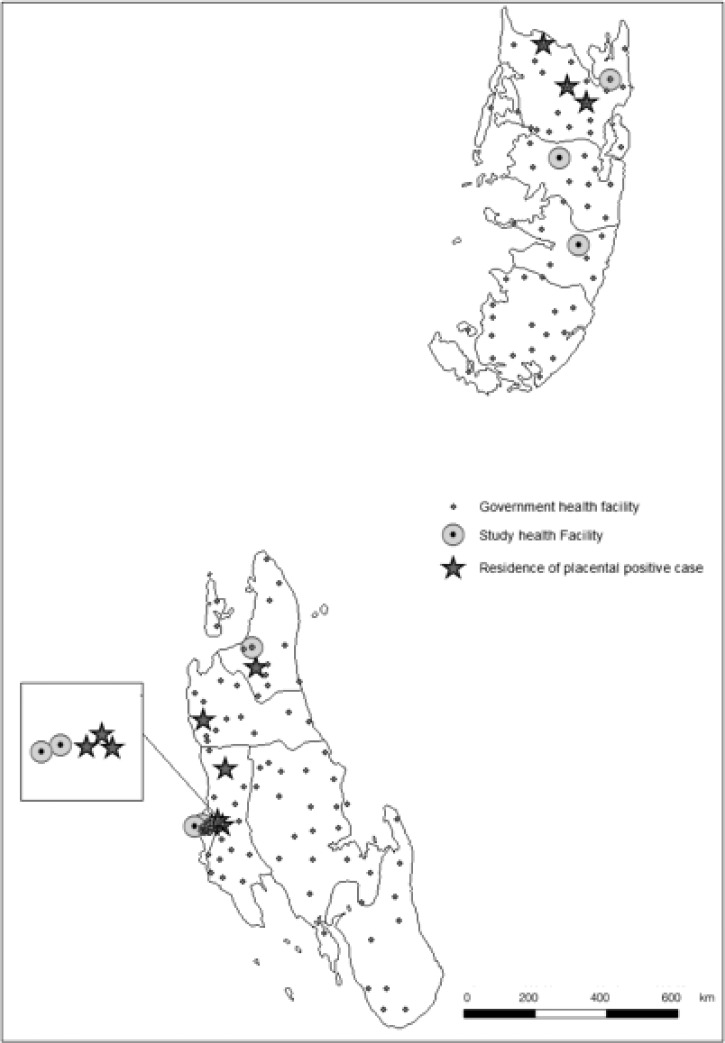
Zanzibar has transitioned from malaria control to the pre-elimination phase, and the continued need for intermittent preventive treatment during pregnancy (IPTp) has been questioned. We conducted a prospective observational study to estimate placental malaria positivity rate among women who did not receive IPTp with sulfadoxine-pyrimethamine. A convenience sample of pregnant women was enrolled from six clinics on the day of delivery from August of 2011 to September of 2012. Dried placental blood spot specimens were analyzed by polymerase chain reaction (PCR); 9 of 1,349 specimens (0.7%; precision estimate = 0.2-1.1%) were PCR-positive for Plasmodium falciparum. Placental infection was detected on both Pemba (N = 3) and Unguja (N = 6). Placental malaria positivity in Zanzibar was low, even in the absence of IPTp. It may be reasonable for the Ministry of Health to consider discontinuing IPTp, intensifying surveillance efforts, and promoting insecticide-treated nets and effective case management of malaria in pregnancy.
桑给巴尔已经从疟疾控制过渡到消除前阶段,间歇性预防治疗在妊娠期间(IPTp)的持续需求受到质疑。我们进行了一项前瞻性观察研究,以估计未接受磺胺多辛-乙胺嘧啶 IPTp 的孕妇中胎盘疟疾阳性率。2011 年 8 月至 2012 年 9 月,在分娩当天从六家诊所招募了一组方便样本的孕妇。通过聚合酶链反应(PCR)分析干胎盘血斑标本;1349 份标本中的 9 份(0.7%;精度估计值为 0.2-1.1%)PCR 检测为恶性疟原虫阳性。在奔巴岛(N = 3)和 Unguja 岛(N = 6)均检测到胎盘感染。即使没有 IPTp,桑给巴尔的胎盘疟疾阳性率也很低。卫生部可能有理由考虑停止 IPTp,加强监测工作,并推广经杀虫剂处理的蚊帐和妊娠期间疟疾的有效病例管理。