Santamaria Cynthia, Chatelain Eric, Jackson Yves, Miao Qianqian, Ward Brian J, Chappuis François, Ndao Momar
National Reference Center for Parasitology, Research Institute of the McGill University Health Centre, Department of Medicine, Division of Infectious Diseases, Montreal General Hospital, 1650 Cedar Ave,, Room R3-137, Montreal, Quebec H3G 1A4, Canada.
BMC Infect Dis. 2014 Jun 3;14:302. doi: 10.1186/1471-2334-14-302.
Chagas disease (CD), caused by the protozoan Trypanosoma cruzi, remains an important public health issue in many Central and South American countries, as well as non-endemic areas with high rates of immigration from these countries. Existing treatment options for CD are limited and often unsatisfactory. Moreover the lack of post-treatment tests of cure limits the development of new drugs. To address this issue, we sought to identify serum biomarkers following nifurtimox (Nfx) treatment that could be used as an early test of cure and/or markers of a therapeutic response.
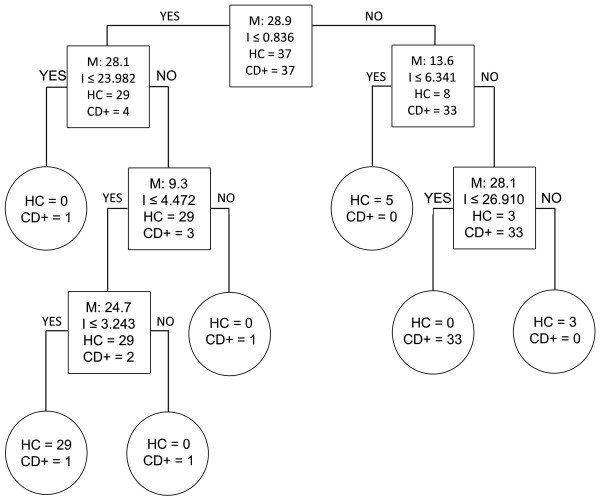
Human sera from Chagas patients pre- and post-treatment with Nfx (n = 37) were compared to samples from healthy subjects (n = 37) using a range of proteomic and immunologic techniques. Biomarker peaks with the best discriminatory power were further characterized.
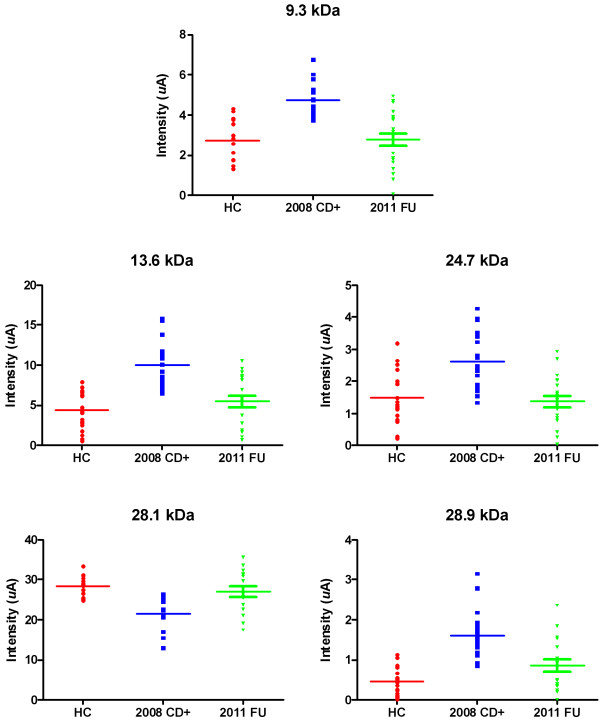
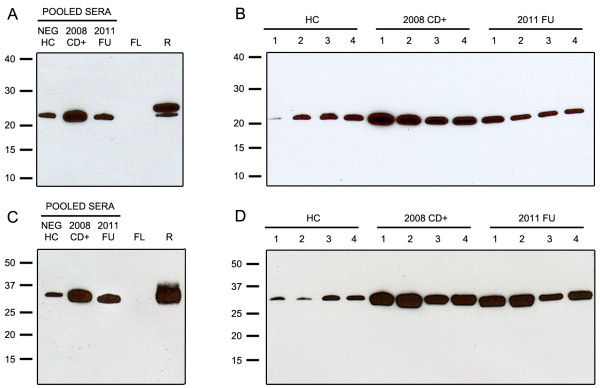
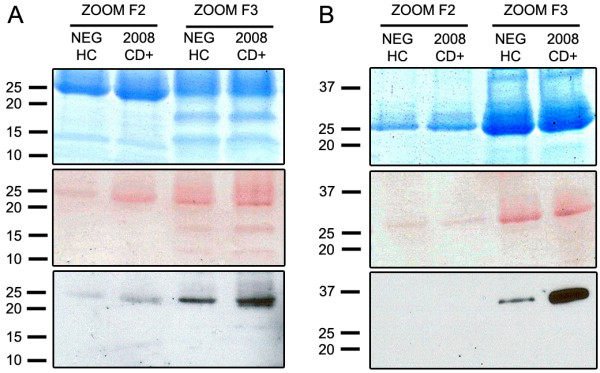
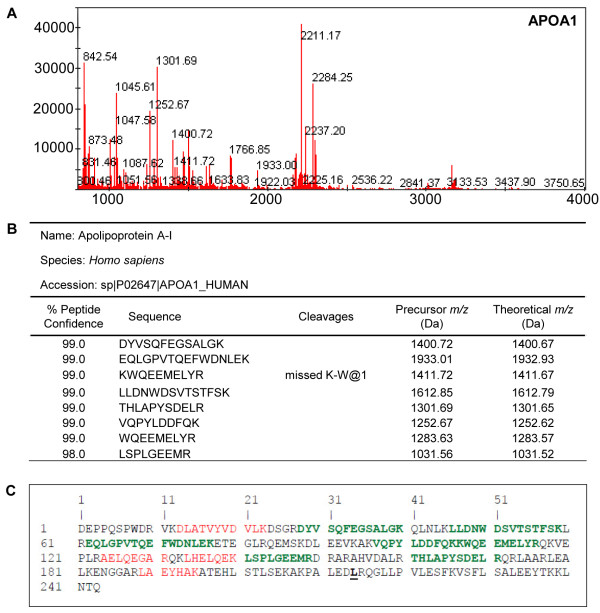
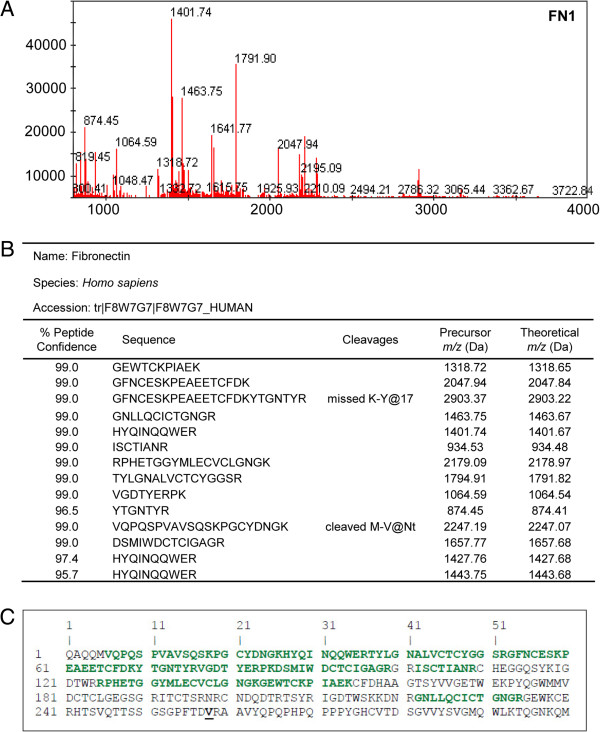
Using serum samples (n = 111), we validated the presence of five key biomarkers identified in our previous study, namely human apolipoprotein A-I (APOA1) and specific fragments thereof and one fragment of human fibronectin (FN1). In chagasic serum samples all biomarkers except full-length APOA1 were upregulated. These five biomarkers returned to normal in 43% (16/37) of the patients treated with Nfx at three years after treatment.
The normalization of biomarker patterns strongly associated with CD suggests that these markers can be used to identify patients in whom Nfx treatment is successful. We believe that these are the first biomarkers predictive of cure in CD patients.
恰加斯病(CD)由原生动物克氏锥虫引起,在许多中美洲和南美洲国家以及来自这些国家的高移民率非流行地区仍然是一个重要的公共卫生问题。现有的恰加斯病治疗选择有限,且往往不尽人意。此外,缺乏治疗后治愈检测限制了新药的开发。为了解决这个问题,我们试图确定硝呋莫司(Nfx)治疗后的血清生物标志物,这些标志物可作为治愈的早期检测指标和/或治疗反应的标志物。
使用一系列蛋白质组学和免疫学技术,将Nfx治疗前后的恰加斯病患者(n = 37)的人血清与健康受试者(n = 37)的样本进行比较。对具有最佳鉴别能力的生物标志物峰进行进一步表征。
使用血清样本(n = 111),我们验证了先前研究中确定的五种关键生物标志物的存在,即人载脂蛋白A-I(APOA1)及其特定片段以及人纤连蛋白(FN1)的一个片段。在恰加斯病血清样本中,除全长APOA1外,所有生物标志物均上调。在接受Nfx治疗的患者中,这些五种生物标志物在治疗三年后有43%(16/37)恢复正常。
与恰加斯病密切相关的生物标志物模式的正常化表明,这些标志物可用于识别Nfx治疗成功的患者。我们认为,这些是首批预测恰加斯病患者治愈情况的生物标志物。