Stryiński Robert, Łopieńska-Biernat Elżbieta, Carrera Mónica
Department of Biochemistry, Faculty of Biology and Biotechnology, University of Warmia and Mazury in Olsztyn, 10-719 Olsztyn, Poland.
Department of Food Technology, Marine Research Institute (IIM), Spanish National Research Council (CSIC), 36-208 Vigo, Spain.
Foods. 2020 Oct 3;9(10):1403. doi: 10.3390/foods9101403.
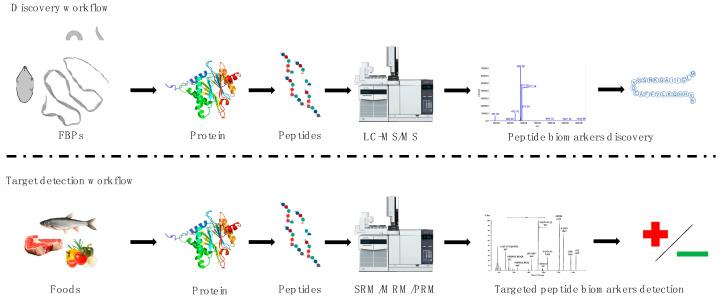
Foodborne parasitoses compared with bacterial and viral-caused diseases seem to be neglected, and their unrecognition is a serious issue. Parasitic diseases transmitted by food are currently becoming more common. Constantly changing eating habits, new culinary trends, and easier access to food make foodborne parasites' transmission effortless, and the increase in the diagnosis of foodborne parasitic diseases in noted worldwide. This work presents the applications of numerous proteomic methods into the studies on foodborne parasites and their possible use in targeted diagnostics. Potential directions for the future are also provided.
与细菌和病毒引起的疾病相比,食源性寄生虫病似乎被忽视了,而未被识别是一个严重问题。通过食物传播的寄生虫病目前正变得越来越普遍。饮食习惯的不断变化、新的烹饪潮流以及更容易获取食物,使得食源性寄生虫的传播轻而易举,并且食源性寄生虫病的诊断在全球范围内都有所增加。这项工作展示了多种蛋白质组学方法在食源性寄生虫研究中的应用及其在靶向诊断中的可能用途。还提供了未来的潜在方向。