Domke Lisa M, Rickelt Steffen, Dörflinger Yvette, Kuhn Caecilia, Winter-Simanowski Stefanie, Zimbelmann Ralf, Rosin-Arbesfeld Rina, Heid Hans, Franke Werner W
Helmholtz Group for Cell Biology, German Cancer Research Center (DKFZ), Im Neuenheimer Feld 280, 69120, Heidelberg, Germany.
Cell Tissue Res. 2014 Sep;357(3):645-65. doi: 10.1007/s00441-014-1906-9. Epub 2014 Jun 8.
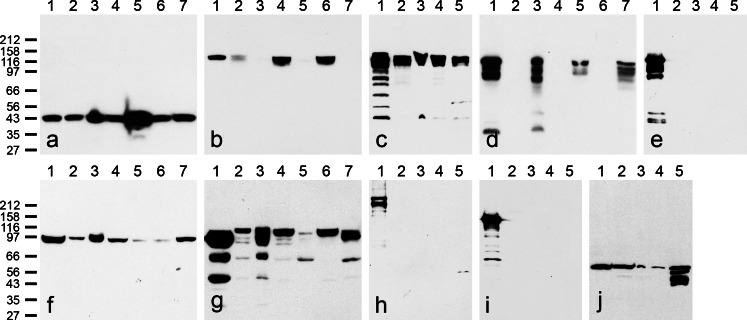
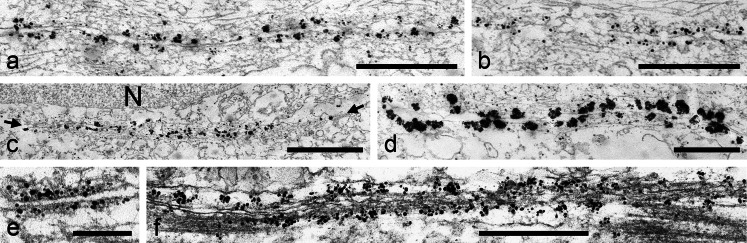
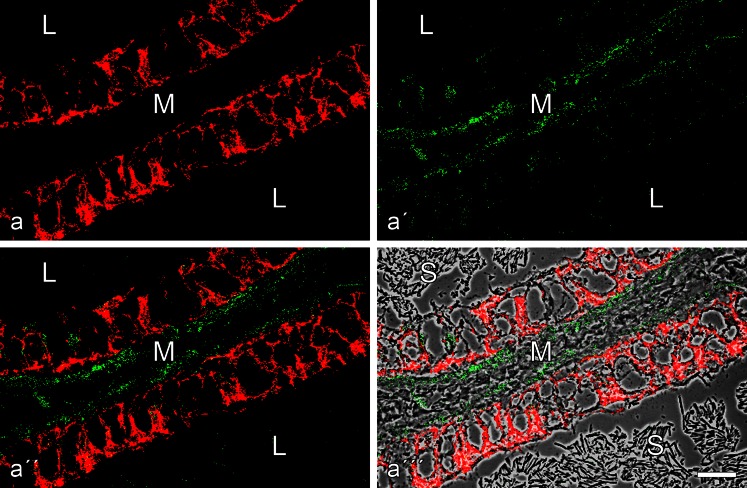
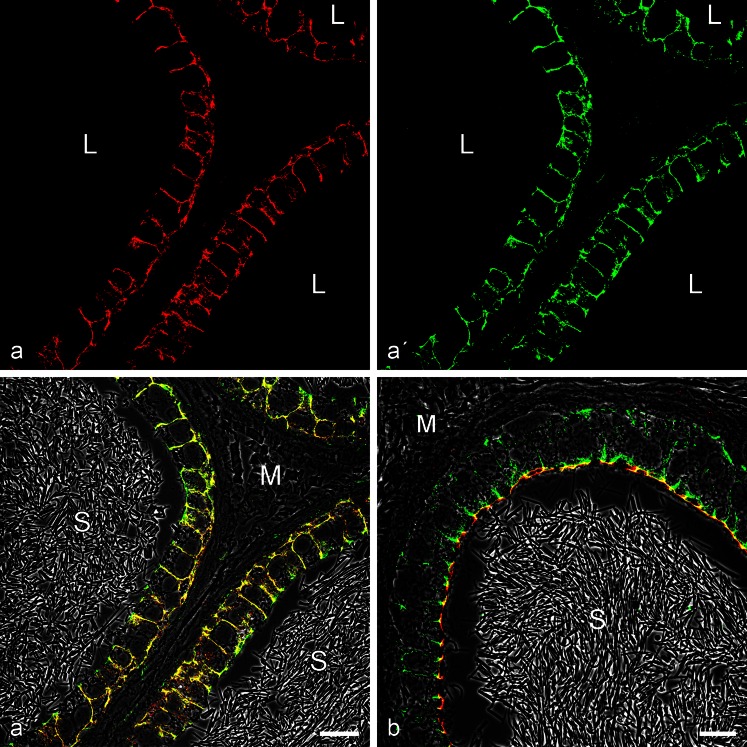
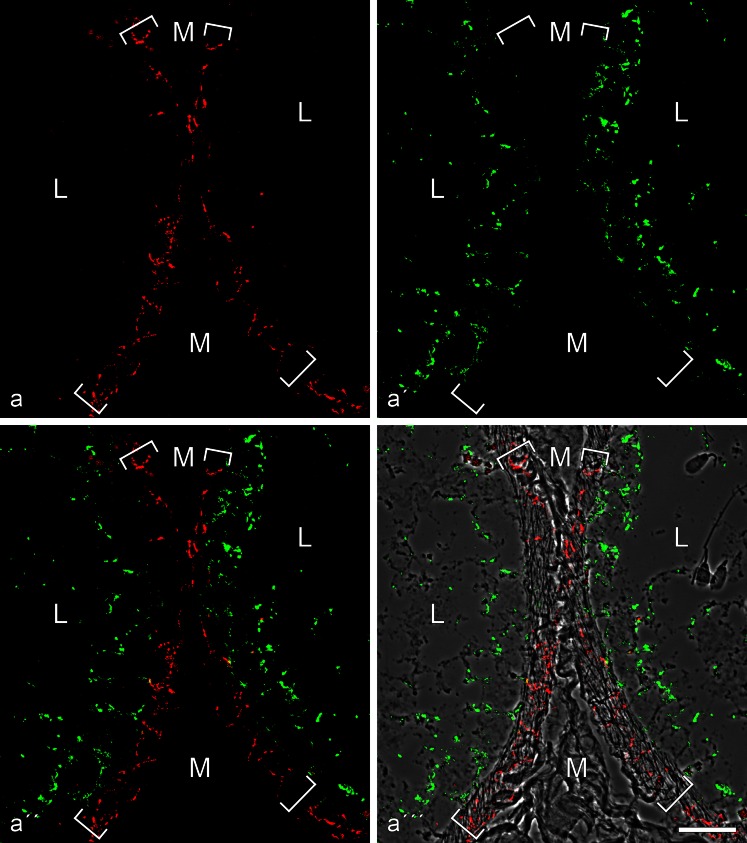
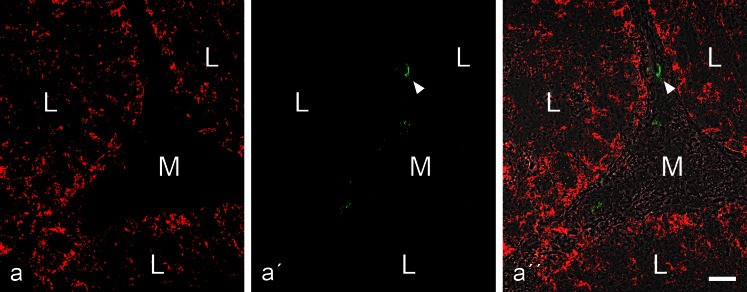
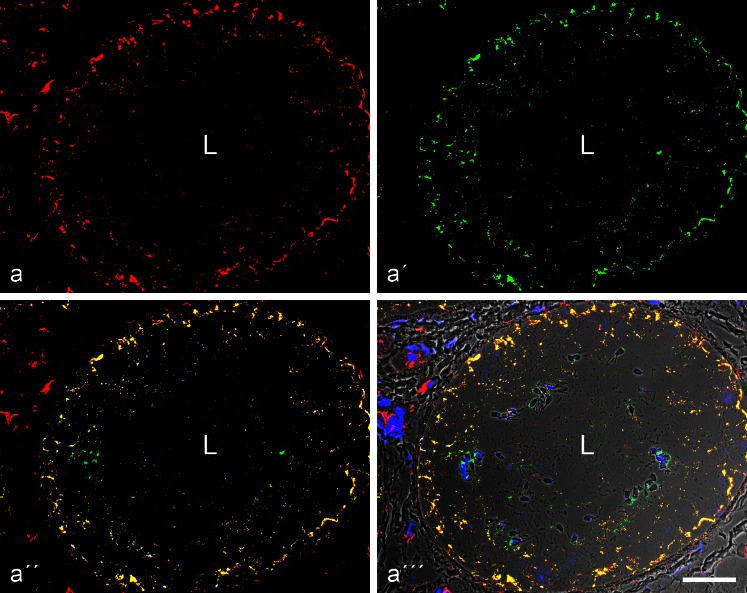
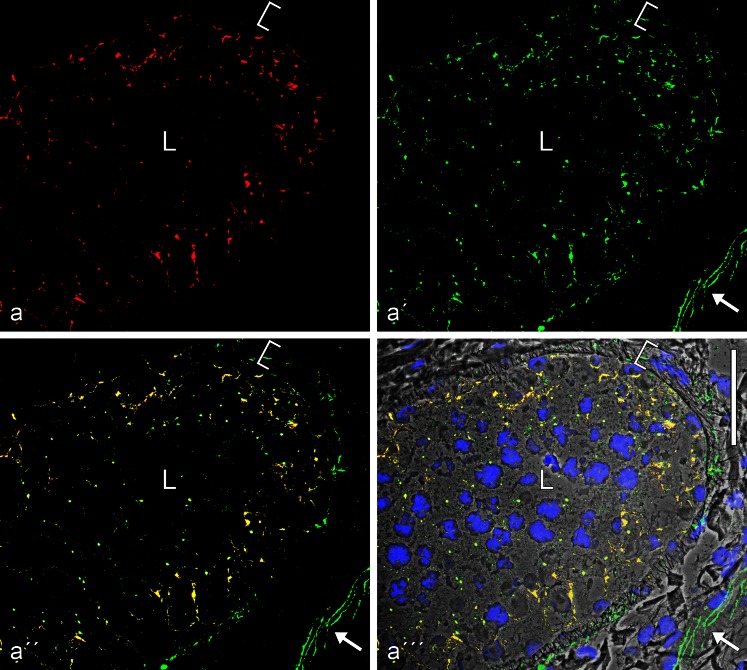
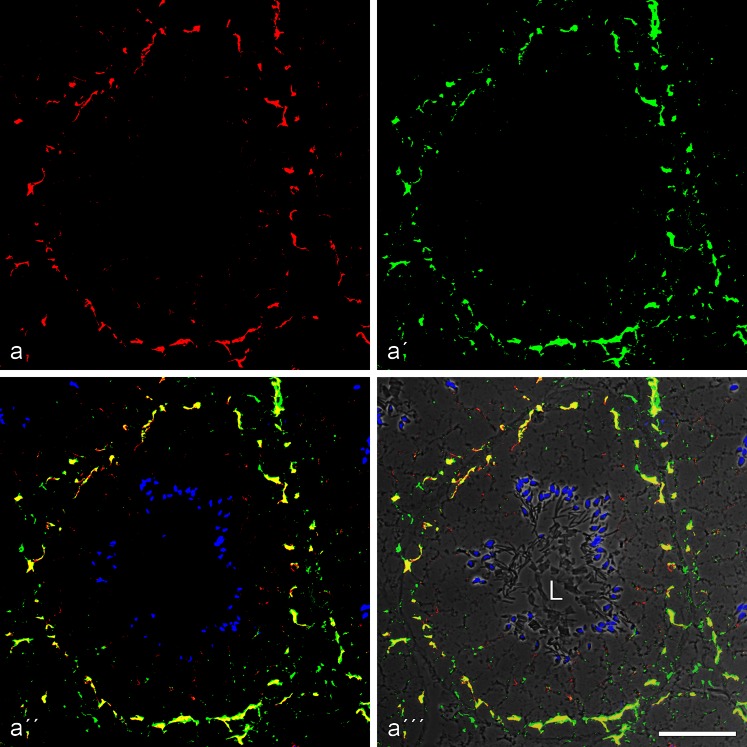
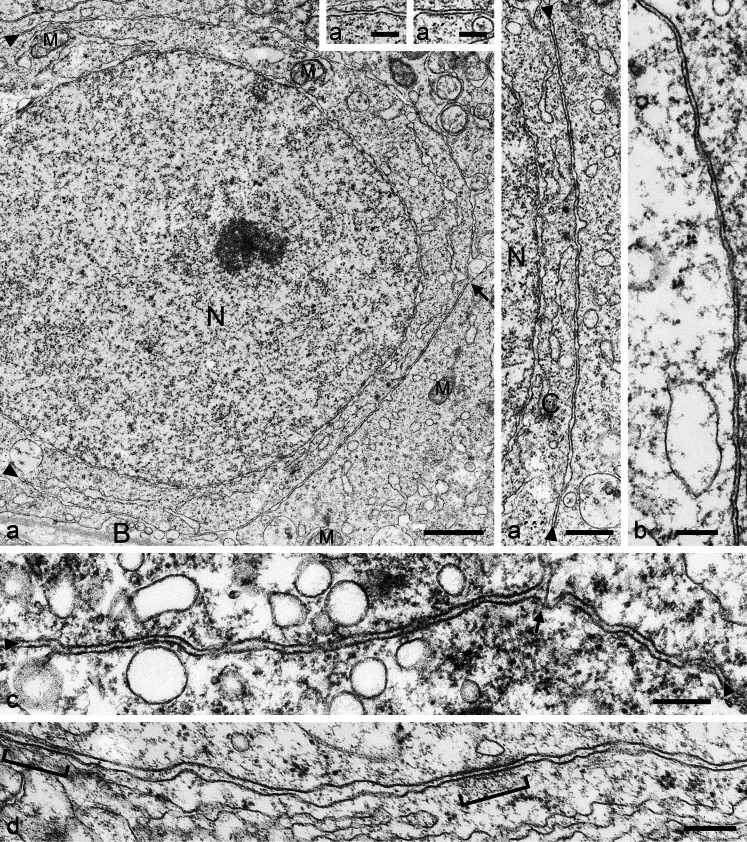
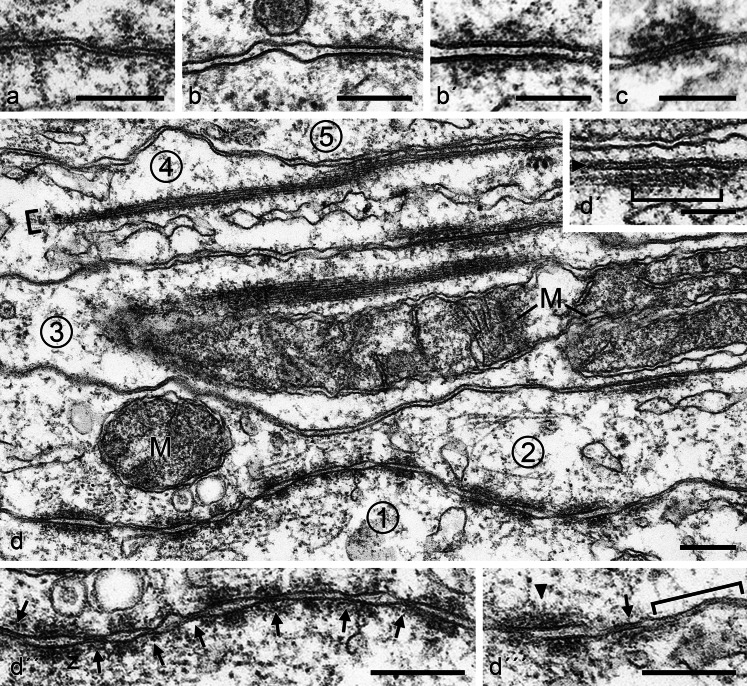
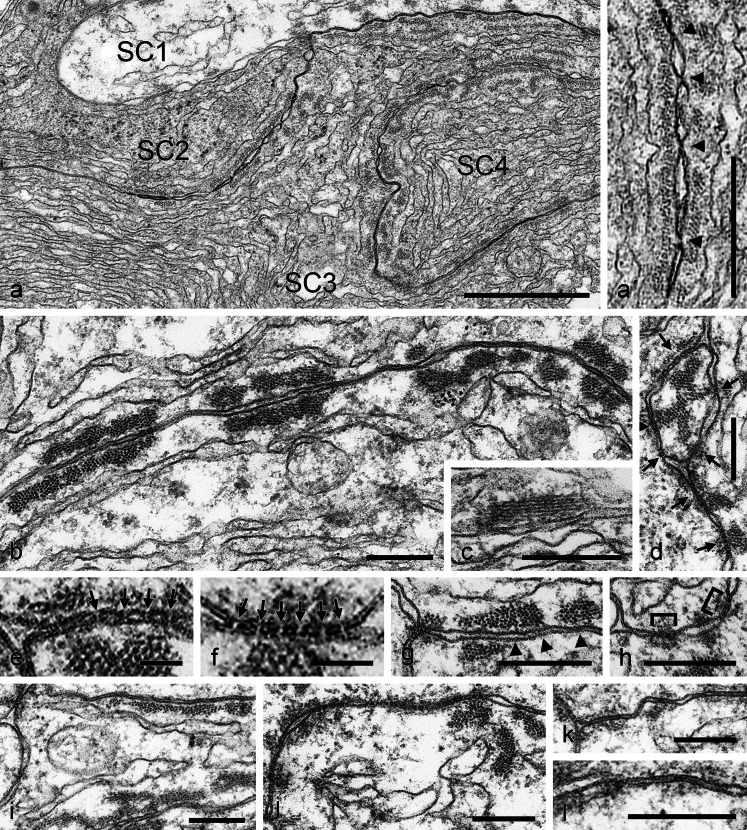
The seminiferous tubules and the excurrent ducts of the mammalian testis are physiologically separated from the mesenchymal tissues and the blood and lymph system by a special structural barrier to paracellular translocations of molecules and particles: the "blood-testis barrier", formed by junctions connecting Sertoli cells with each other and with spermatogonial cells. In combined biochemical as well as light and electron microscopical studies we systematically determine the molecules located in the adhering junctions of adult mammalian (human, bovine, porcine, murine, i.e., rat and mouse) testis. We show that the seminiferous epithelium does not contain desmosomes, or "desmosome-like" junctions, nor any of the desmosome-specific marker molecules and that the adhering junctions of tubules and ductules are fundamentally different. While the ductules contain classical epithelial cell layers with E-cadherin-based adherens junctions (AJs) and typical desmosomes, the Sertoli cells of the tubules lack desmosomes and "desmosome-like" junctions but are connected by morphologically different forms of AJs. These junctions are based on N-cadherin anchored in cytoplasmic plaques, which in some subforms appear thick and dense but in other subforms contain only scarce and loosely arranged plaque structures formed by α- and β-catenin, proteins p120, p0071 and plakoglobin, together with a member of the striatin family and also, in rodents, the proteins ZO-1 and myozap. These N-cadherin-based AJs also include two novel types of junctions: the "areae adhaerentes", i.e., variously-sized, often very large cell-cell contacts and small sieve-plate-like AJs perforated by cytoplasm-to-cytoplasm channels of 5-7 nm internal diameter ("cribelliform junctions"). We emphasize the unique character of this epithelium that totally lacks major epithelial marker molecules and structures such as keratin filaments and desmosomal elements as well as EpCAM- and PERP-containing junctions. We also discuss the nature, development and possible functions of these junctions.
哺乳动物睾丸的生精小管和输出小管在生理上与间充质组织、血液及淋巴系统分隔开,这是通过一种特殊的结构屏障实现的,该屏障可阻止分子和颗粒的细胞旁转运,即“血睾屏障”,它由连接支持细胞彼此以及支持细胞与精原细胞的连接构成。在综合的生化以及光镜和电镜研究中,我们系统地确定了成年哺乳动物(人类、牛、猪、鼠,即大鼠和小鼠)睾丸紧密连接中存在的分子。我们发现生精上皮不含桥粒或“类桥粒”连接,也没有任何桥粒特异性标记分子,并且小管和细管的紧密连接存在根本差异。细管含有具有基于E - 钙黏蛋白的黏附连接(AJs)的经典上皮细胞层和典型桥粒,而小管的支持细胞缺乏桥粒和“类桥粒”连接,但通过形态不同的AJs形式相连。这些连接基于锚定在细胞质斑中的N - 钙黏蛋白,在某些亚型中,这些斑显得厚且致密,但在其他亚型中仅含有由α - 和β - 连环蛋白、蛋白质p120、p0071和桥粒斑珠蛋白以及striatin家族成员形成的稀少且排列松散的斑结构,在啮齿动物中还包括蛋白质ZO - 1和肌连蛋白。这些基于N - 钙黏蛋白的AJs还包括两种新型连接:“黏附区”,即大小各异、通常非常大的细胞 - 细胞接触区域,以及由内径为5 - 7纳米的细胞质 - 细胞质通道穿孔的小筛板样AJs(“筛状连接”)。我们强调这种上皮的独特性质,它完全缺乏主要的上皮标记分子和结构,如角蛋白丝、桥粒成分以及含有EpCAM和PERP的连接。我们还讨论了这些连接的性质、发育及可能的功能。