Ye Fan, McCoy Sean C, Ross Heather H, Bernardo Joseph A, Beharry Adam W, Senf Sarah M, Judge Andrew R, Beck Darren T, Conover Christine F, Cannady Darryl F, Smith Barbara K, Yarrow Joshua F, Borst Stephen E
Geriatric Research, Education and Clinical Center, VA Medical Center, Gainesville, FL, United States; Applied Physiology & Kinesiology, University of Florida, Gainesville, FL, United States.
Rural Health, VA Medical Center, Gainesville, FL, United States; Animal Sciences, University of Florida, Gainesville, FL, United States.
Steroids. 2014 Sep;87:59-66. doi: 10.1016/j.steroids.2014.05.024. Epub 2014 Jun 10.
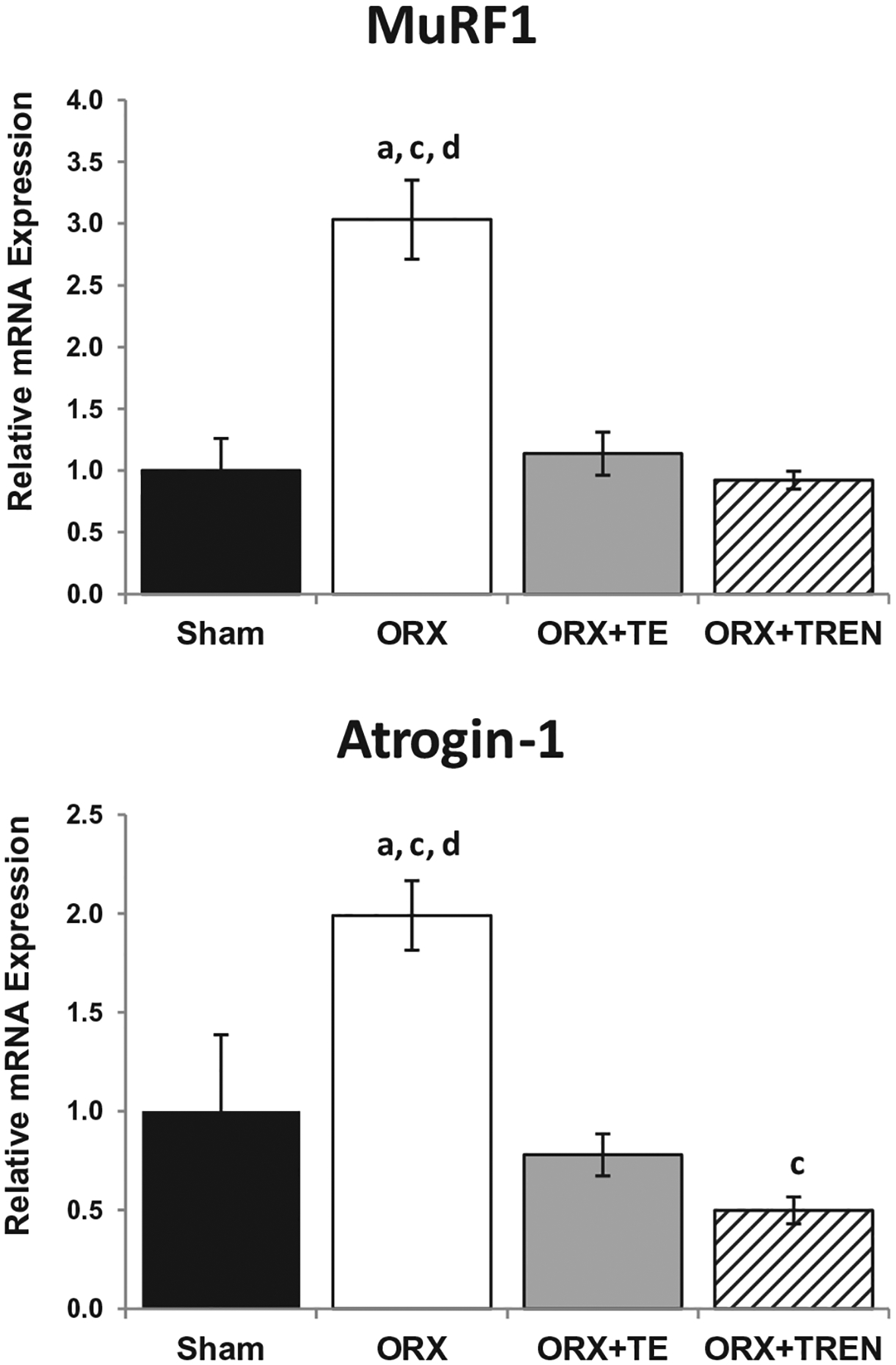
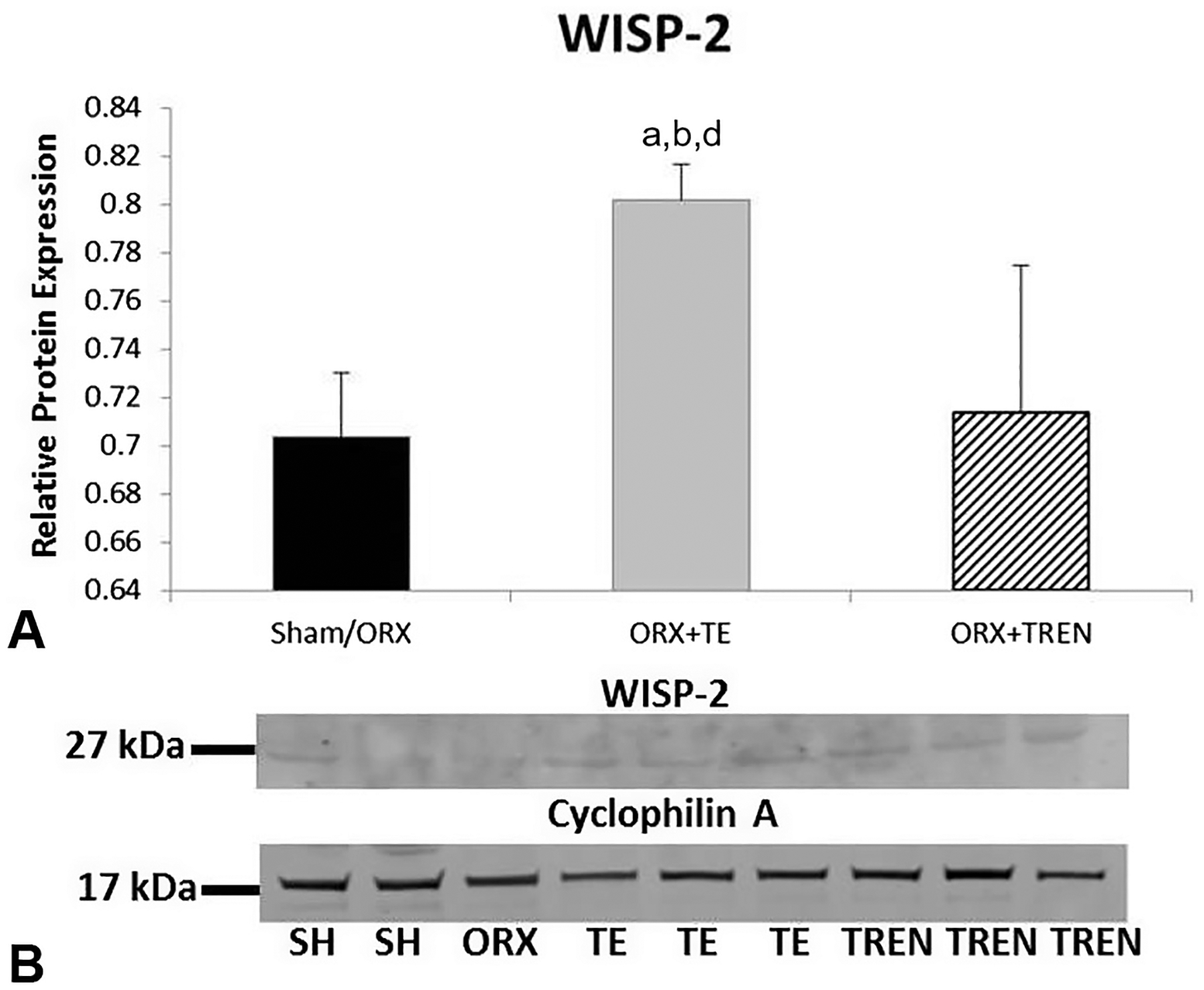
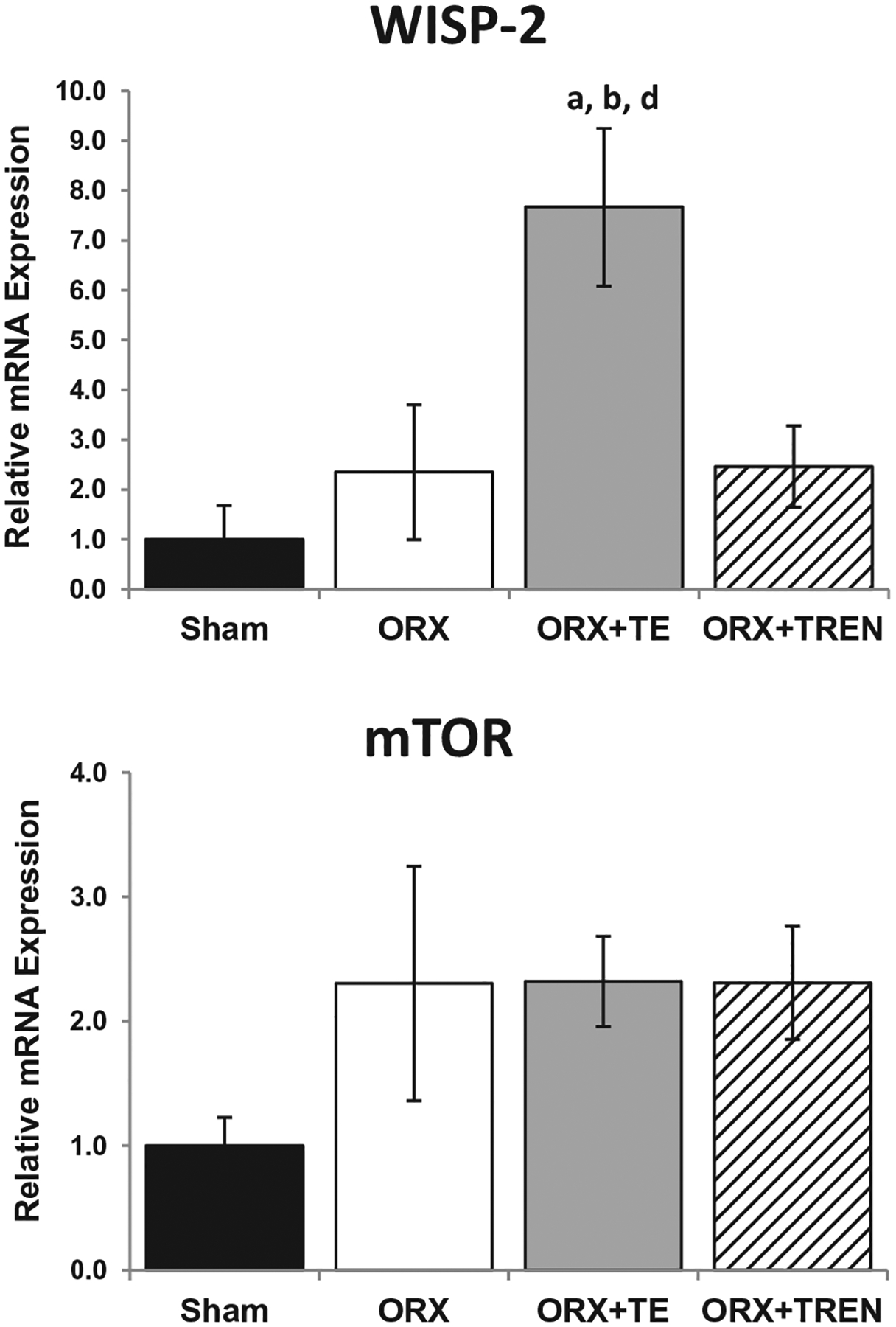
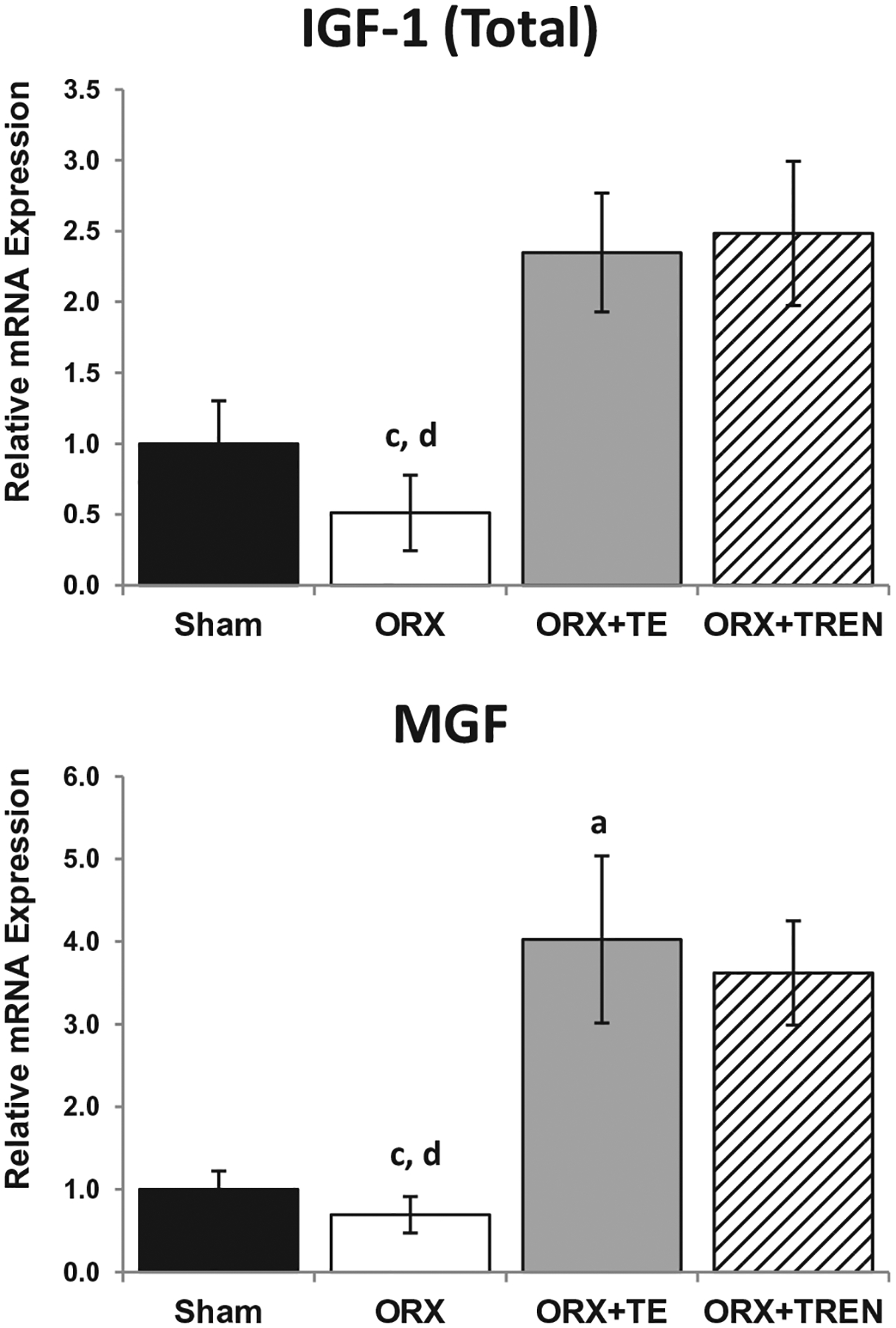
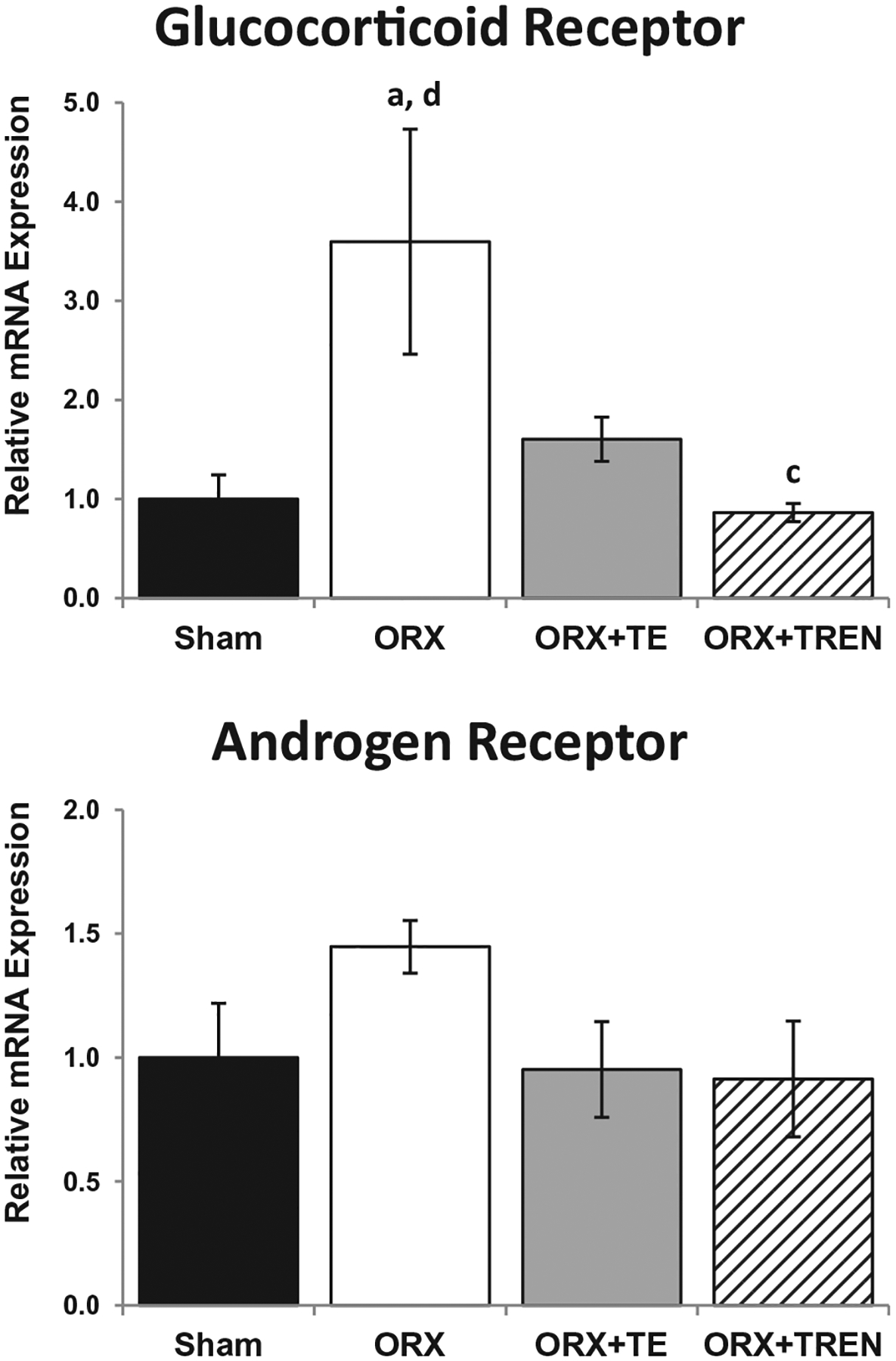
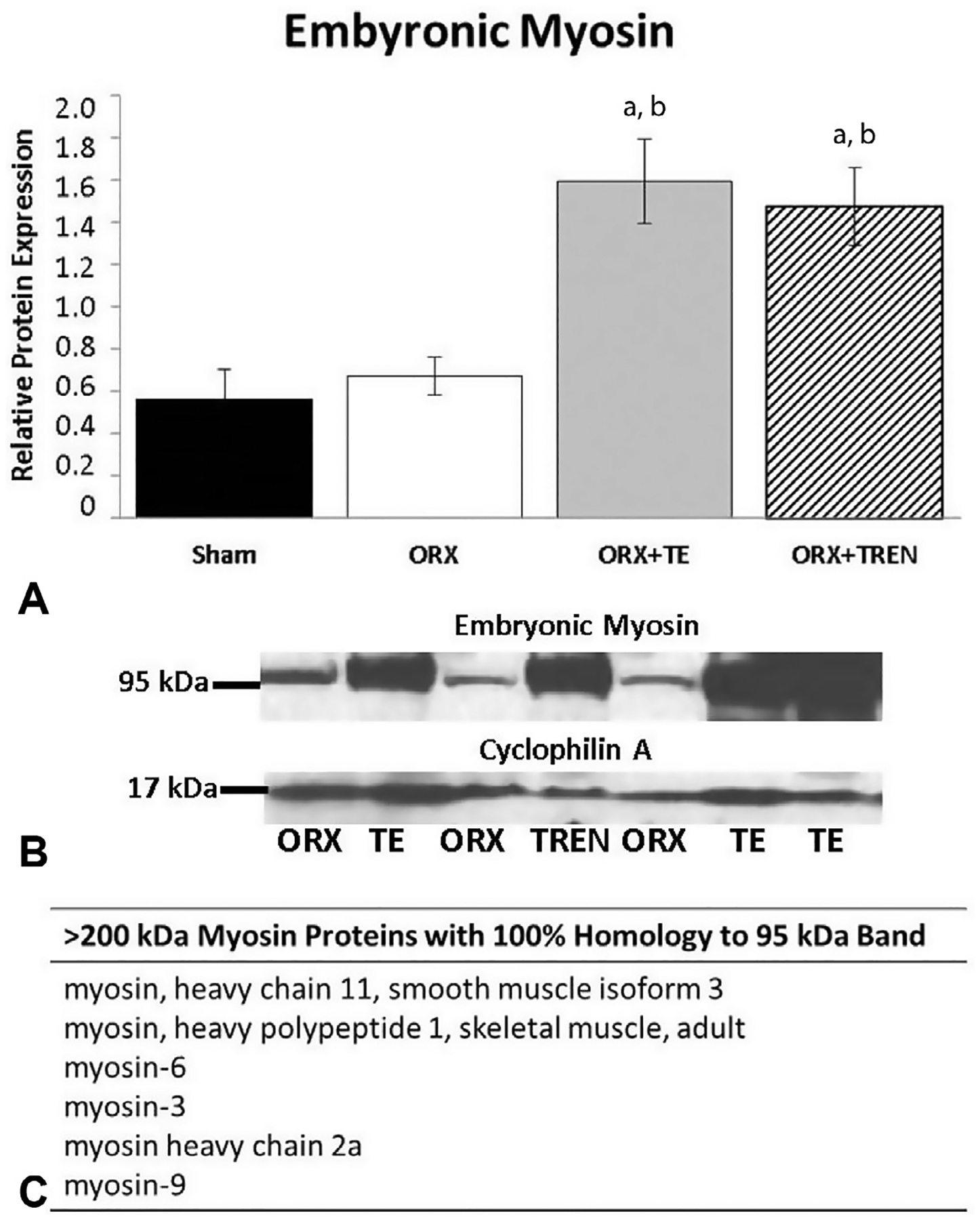
Androgens regulate body composition and skeletal muscle mass in males, but the molecular mechanisms are not fully understood. Recently, we demonstrated that trenbolone (a potent synthetic testosterone analogue that is not a substrate for 5-alpha reductase or for aromatase) induces myotrophic effects in skeletal muscle without causing prostate enlargement, which is in contrast to the known prostate enlarging effects of testosterone. These previous results suggest that the 5α-reduction of testosterone is not required for myotrophic action. We now report differential gene expression in response to testosterone versus trenbolone in the highly androgen-sensitive levator ani/bulbocavernosus (LABC) muscle complex of the adult rat after 6weeks of orchiectomy (ORX), using real time PCR. The ORX-induced expression of atrogenes (Muscle RING-finger protein-1 [MuRF1] and atrogin-1) was suppressed by both androgens, with trenbolone producing a greater suppression of atrogin-1 mRNA compared to testosterone. Both androgens elevated expression of anabolic genes (insulin-like growth factor-1 and mechano-growth factor) after ORX. ORX-induced increases in expression of glucocorticoid receptor (GR) mRNA were suppressed by trenbolone treatment, but not testosterone. In ORX animals, testosterone promoted WNT1-inducible-signaling pathway protein 2 (WISP-2) gene expression while trenbolone did not. Testosterone and trenbolone equally enhanced muscle regeneration as shown by increases in LABC mass and in protein expression of embryonic myosin by western blotting. In addition, testosterone increased WISP-2 protein levels. Together, these findings identify specific mechanisms by which testosterone and trenbolone may regulate skeletal muscle maintenance and growth.
雄激素调节男性的身体组成和骨骼肌质量,但其分子机制尚未完全明确。最近,我们证实群勃龙(一种强效合成睾酮类似物,不是5α-还原酶或芳香化酶的底物)可在不引起前列腺增生的情况下诱导骨骼肌产生促肌营养作用,这与已知的睾酮导致前列腺增生的作用相反。这些先前的结果表明,睾酮的5α-还原对于促肌营养作用并非必需。我们现在报告,在成年大鼠去势(ORX)6周后,使用实时PCR技术,检测雄激素敏感的肛提肌/球海绵体肌(LABC)复合体中,睾酮与群勃龙作用下的差异基因表达。ORX诱导产生的萎缩基因(肌肉环状指蛋白1 [MuRF1]和atrogin-1)表达受到两种雄激素的抑制,与睾酮相比,群勃龙对atrogin-1 mRNA的抑制作用更强。两种雄激素均可使ORX后的合成代谢基因(胰岛素样生长因子-1和机械生长因子)表达升高。ORX诱导产生的糖皮质激素受体(GR)mRNA表达增加,经群勃龙处理后受到抑制,但睾酮处理则无此作用。在ORX动物中,睾酮可促进WNT1诱导信号通路蛋白2(WISP-2)基因表达,而群勃龙则无此作用。通过western blotting检测发现,LABC质量增加以及胚胎肌球蛋白蛋白表达增加,表明睾酮和群勃龙对肌肉再生的促进作用相当。此外,睾酮可增加WISP-2蛋白水平。总之,这些发现揭示了睾酮和群勃龙调节骨骼肌维持和生长的具体机制。