Balmer Nina V, Klima Stefanie, Rempel Eugen, Ivanova Violeta N, Kolde Raivo, Weng Matthias K, Meganathan Kesavan, Henry Margit, Sachinidis Agapios, Berthold Michael R, Hengstler Jan G, Rahnenführer Jörg, Waldmann Tanja, Leist Marcel
Doerenkamp-Zbinden Chair for In Vitro Toxicology and Biomedicine, University of Konstanz, Box 657, 78457, Constance, Germany.
Arch Toxicol. 2014 Jul;88(7):1451-68. doi: 10.1007/s00204-014-1279-6. Epub 2014 Jun 17.
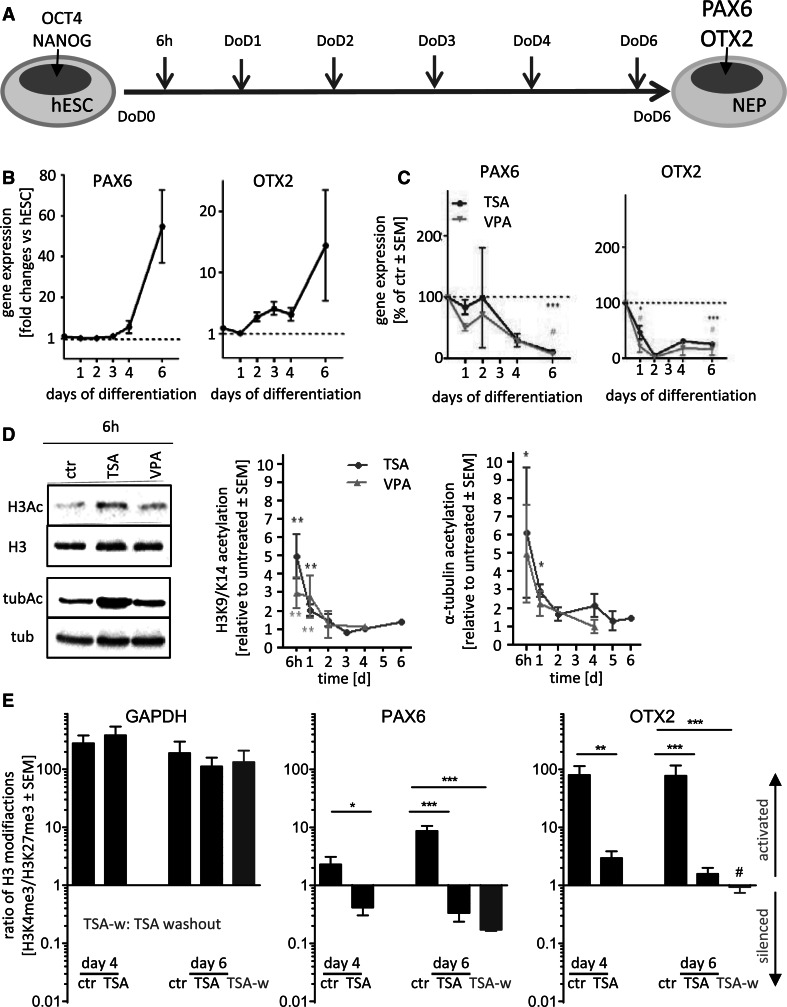
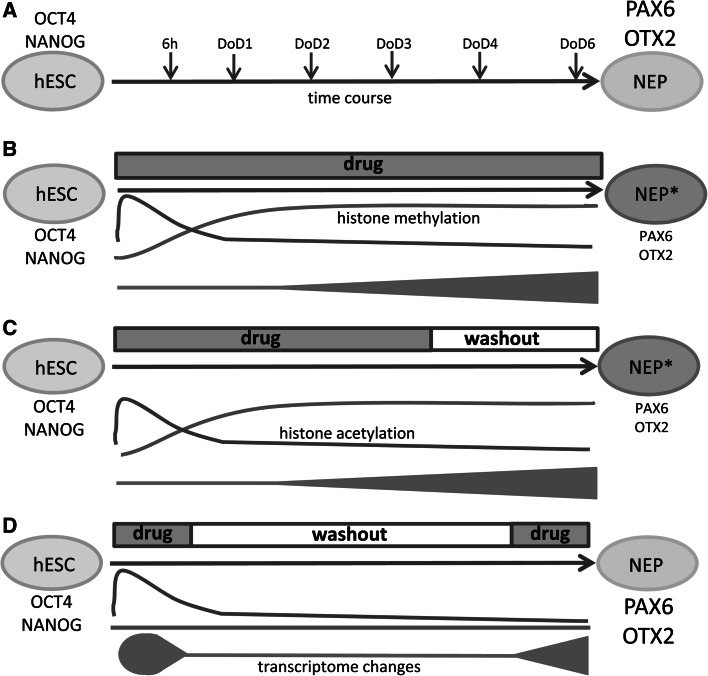
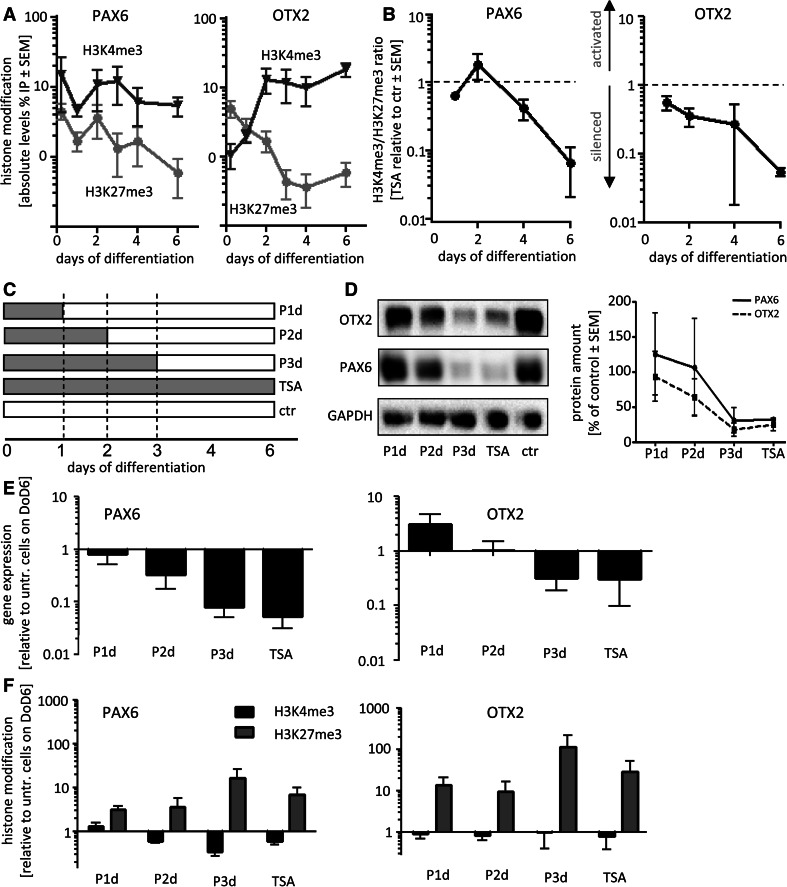
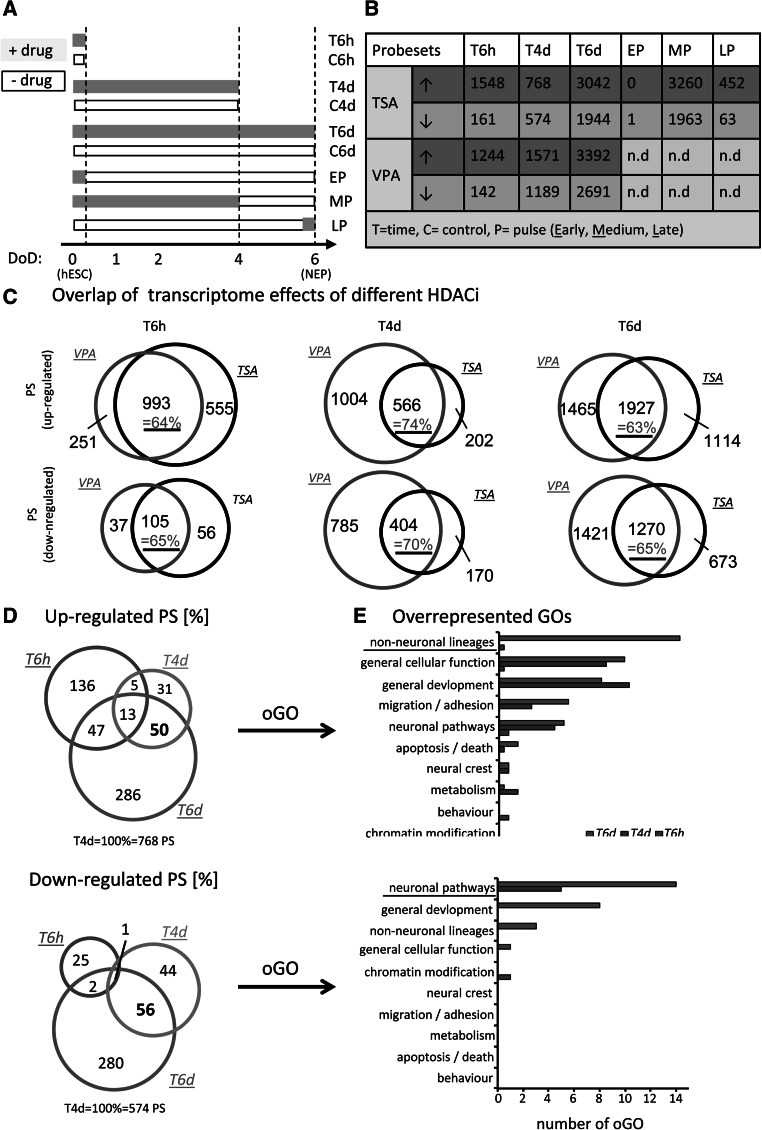
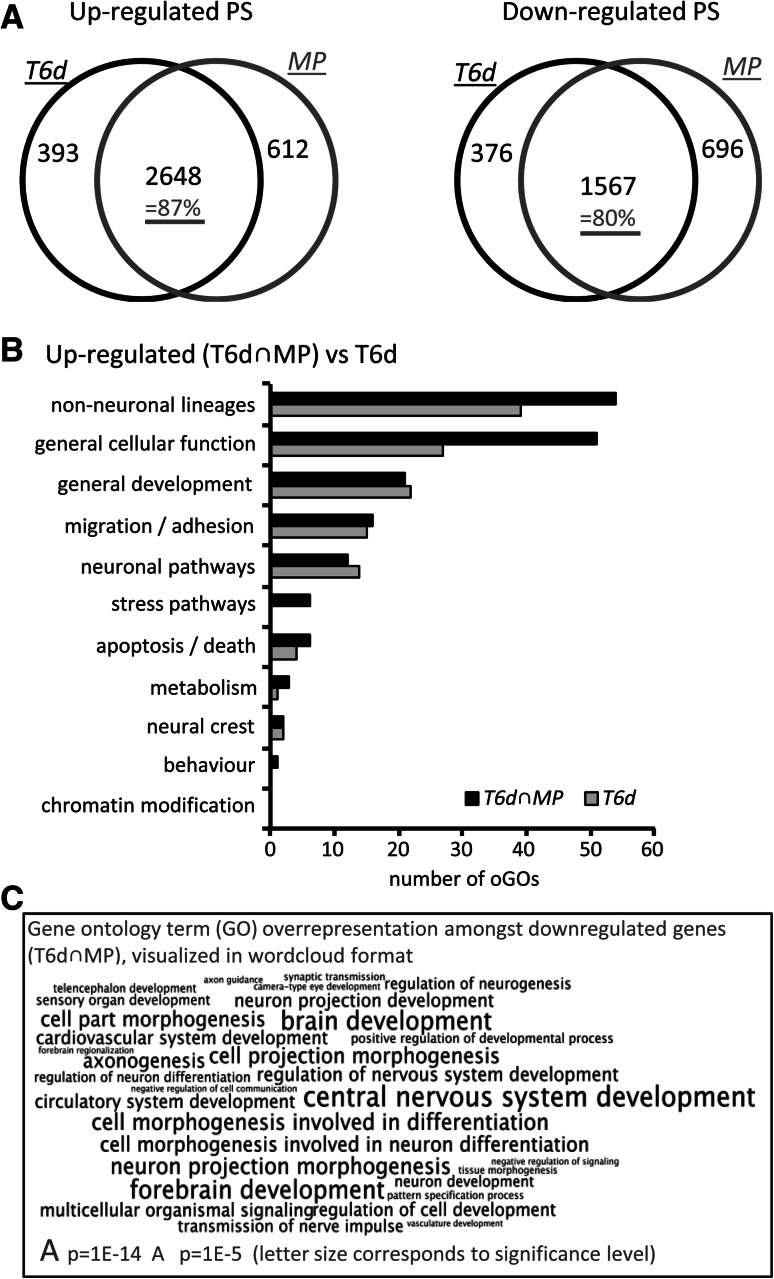
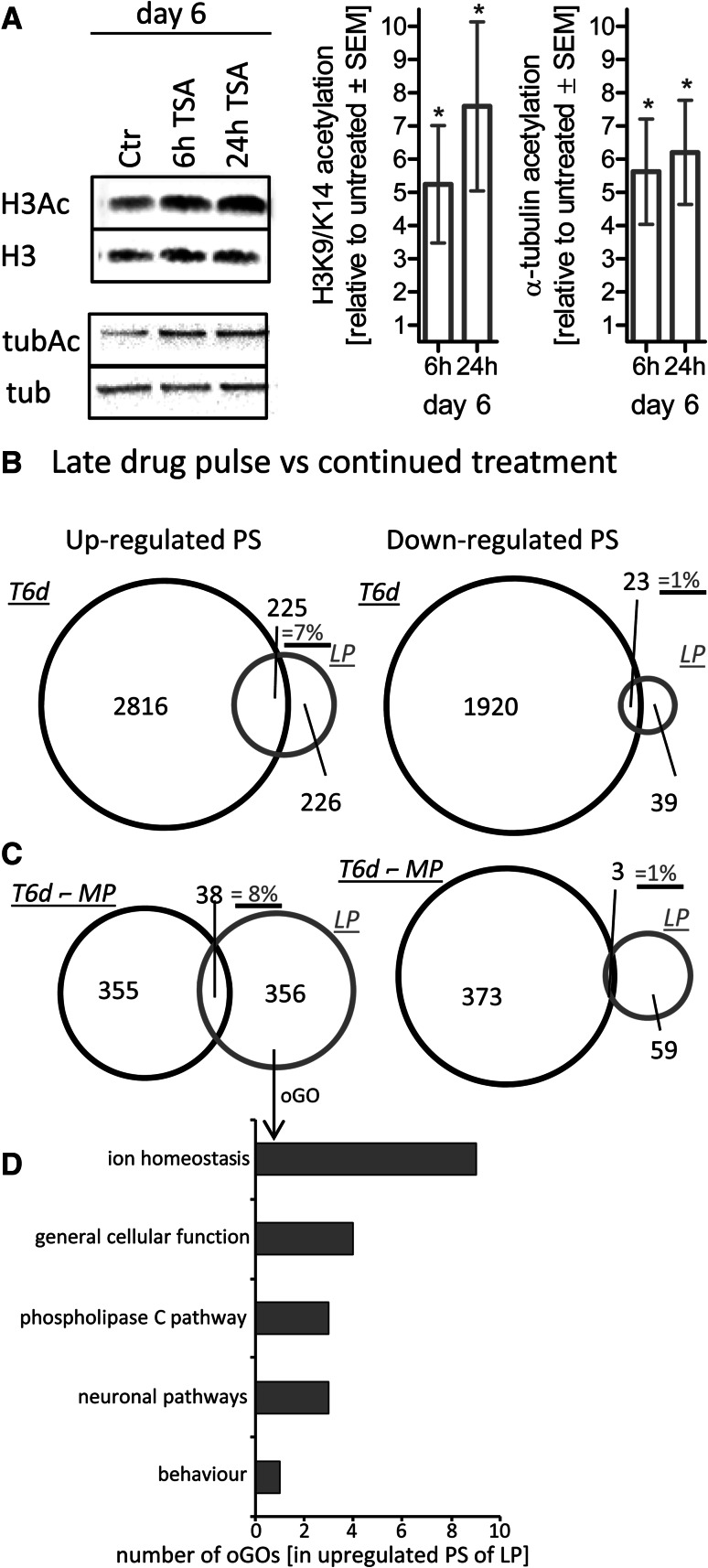
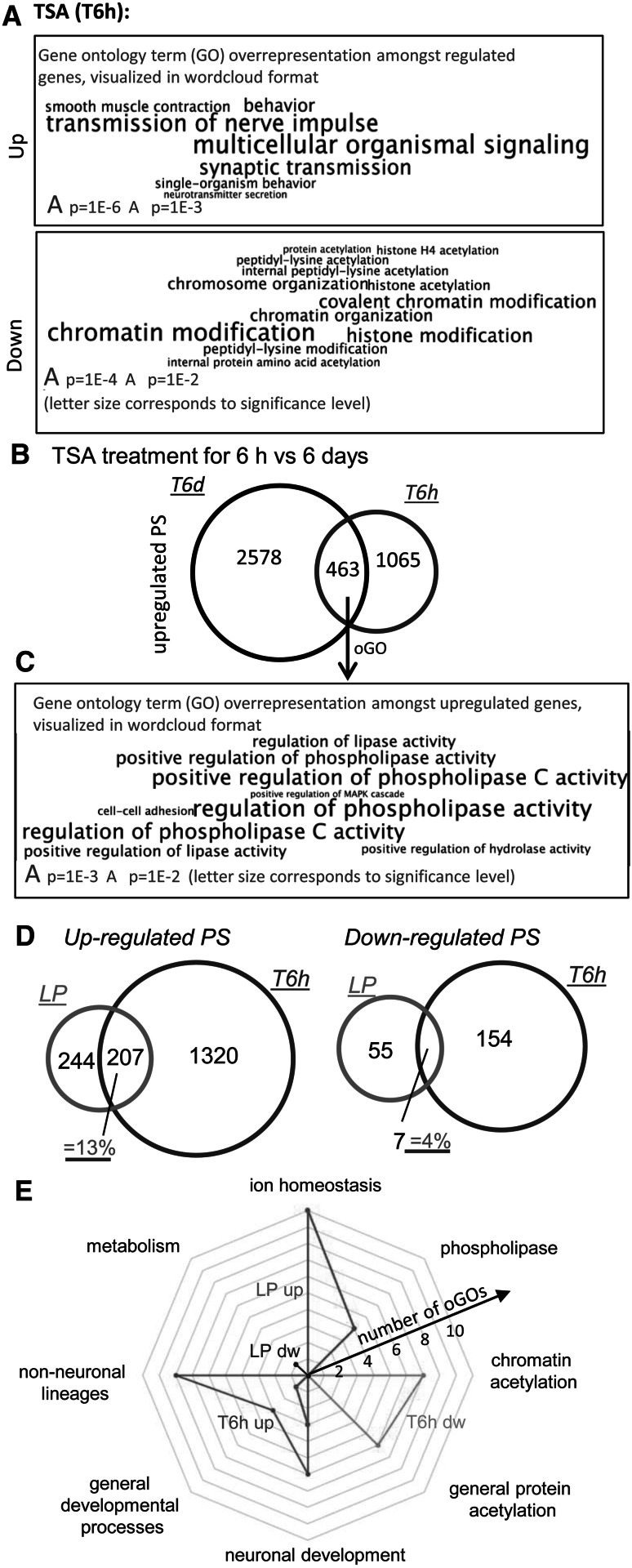
The superordinate principles governing the transcriptome response of differentiating cells exposed to drugs are still unclear. Often, it is assumed that toxicogenomics data reflect the immediate mode of action (MoA) of drugs. Alternatively, transcriptome changes could describe altered differentiation states as indirect consequence of drug exposure. We used here the developmental toxicants valproate and trichostatin A to address this question. Neurally differentiating human embryonic stem cells were treated for 6 days. Histone acetylation (primary MoA) increased quickly and returned to baseline after 48 h. Histone H3 lysine methylation at the promoter of the neurodevelopmental regulators PAX6 or OTX2 was increasingly altered over time. Methylation changes remained persistent and correlated with neurodevelopmental defects and with effects on PAX6 gene expression, also when the drug was washed out after 3-4 days. We hypothesized that drug exposures altering only acetylation would lead to reversible transcriptome changes (indicating MoA), and challenges that altered methylation would lead to irreversible developmental disturbances. Data from pulse-chase experiments corroborated this assumption. Short drug treatment triggered reversible transcriptome changes; longer exposure disrupted neurodevelopment. The disturbed differentiation was reflected by an altered transcriptome pattern, and the observed changes were similar when the drug was washed out during the last 48 h. We conclude that transcriptome data after prolonged chemical stress of differentiating cells mainly reflect the altered developmental stage of the model system and not the drug MoA. We suggest that brief exposures, followed by immediate analysis, are more suitable for information on immediate drug responses and the toxicity MoA.
目前仍不清楚支配暴露于药物的分化细胞转录组反应的上位原则。通常,人们认为毒理基因组学数据反映了药物的直接作用模式(MoA)。或者,转录组变化可能描述了作为药物暴露间接后果的分化状态改变。我们在此使用发育毒物丙戊酸和曲古抑菌素A来解决这个问题。对正在进行神经分化的人类胚胎干细胞进行了6天的处理。组蛋白乙酰化(主要作用模式)迅速增加,并在48小时后恢复到基线水平。随着时间的推移,神经发育调节因子PAX6或OTX2启动子处的组蛋白H3赖氨酸甲基化变化越来越大。甲基化变化持续存在,并与神经发育缺陷以及对PAX6基因表达的影响相关,即使在3 - 4天后药物被洗脱时也是如此。我们假设仅改变乙酰化的药物暴露会导致可逆的转录组变化(表明作用模式),而改变甲基化的刺激会导致不可逆的发育障碍。脉冲追踪实验的数据证实了这一假设。短期药物处理引发可逆的转录组变化;长时间暴露则扰乱神经发育。分化受干扰表现为转录组模式改变,并且当在最后48小时内洗脱药物时,观察到的变化相似。我们得出结论,分化细胞在长期化学应激后的转录组数据主要反映了模型系统改变的发育阶段,而非药物的作用模式。我们建议,短暂暴露后立即进行分析,更适合获取关于药物即时反应和毒性作用模式的信息。