Giachin Gabriele, Narkiewicz Joanna, Scaini Denis, Ngoc Ai Tran, Margon Alja, Sequi Paolo, Leita Liviana, Legname Giuseppe
Laboratory of Prion Biology, Department of Neuroscience, Scuola Internazionale Superiore di Studi Avanzati (SISSA), Trieste, Italy.
Life Science Department, University of Trieste, Trieste, Italy.
PLoS One. 2014 Jun 17;9(6):e100016. doi: 10.1371/journal.pone.0100016. eCollection 2014.
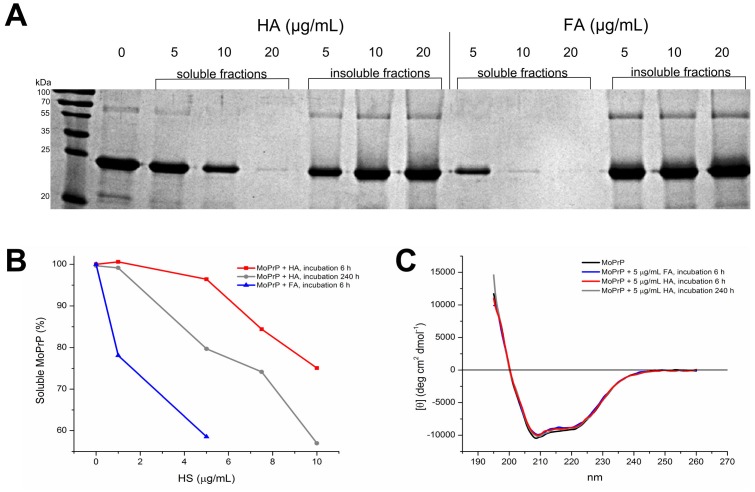
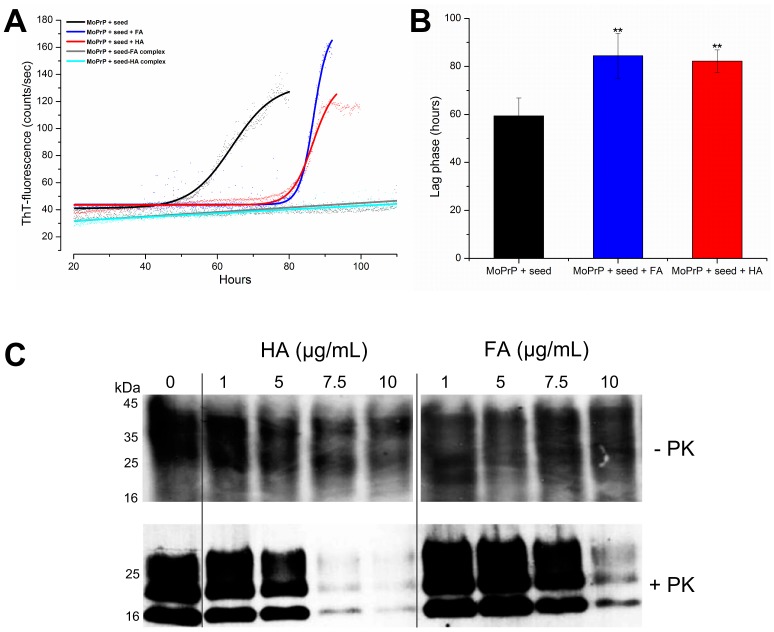
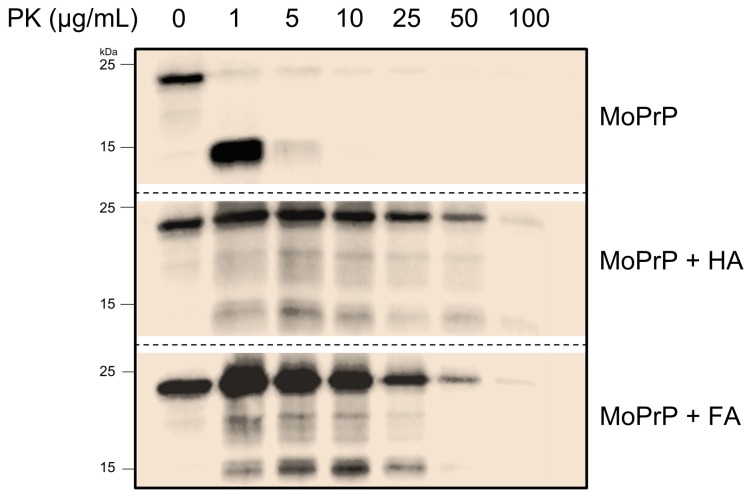
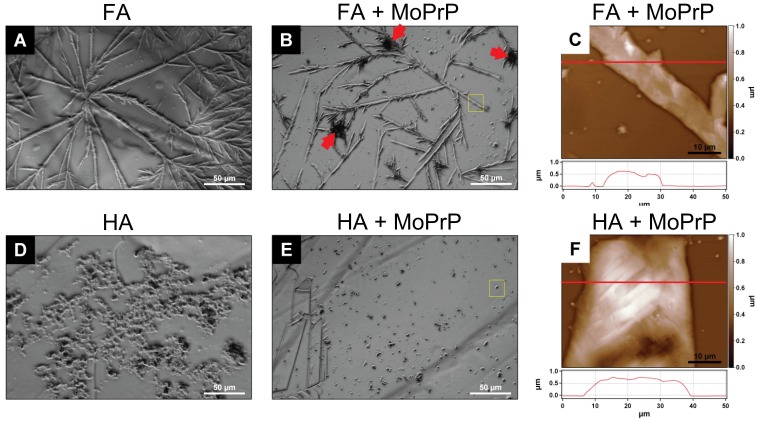
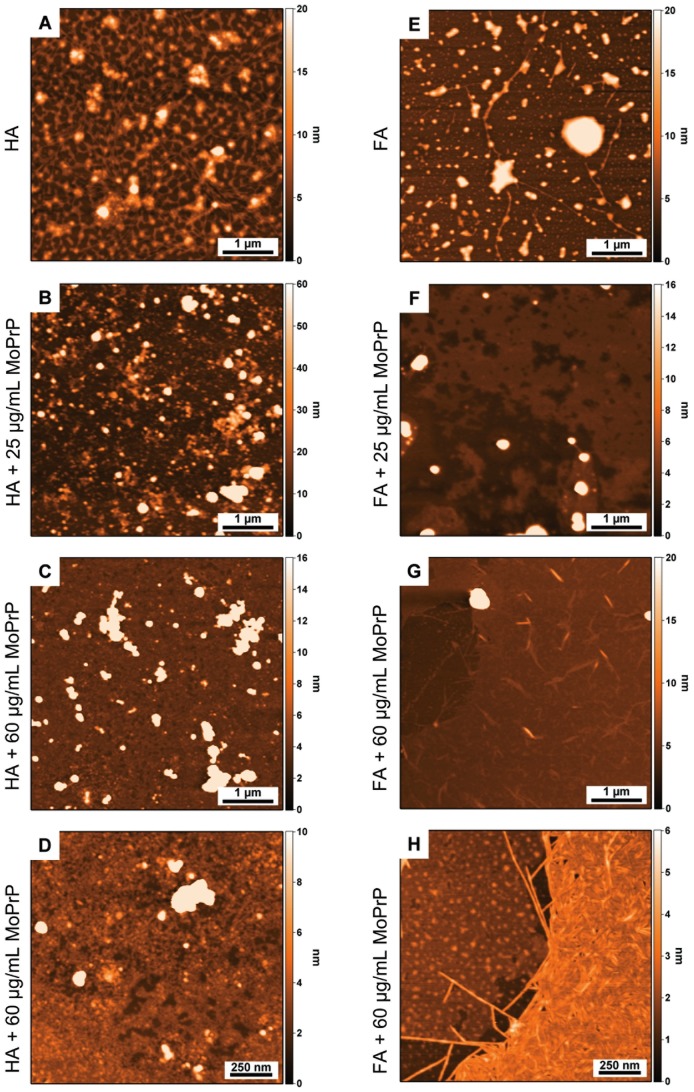
Transmissible spongiform encephalopathies (TSE) are fatal neurodegenerative disorders caused by prions. Animal TSE include scrapie in sheep and goats, and chronic wasting disease (CWD) in cervids. Effective management of scrapie in many parts of the world, and of CWD in North American deer population is complicated by the persistence of prions in the environment. After shedding from diseased animals, prions persist in soil, withstanding biotic and abiotic degradation. As soil is a complex, multi-component system of both mineral and organic components, it is important to understand which soil compounds may interact with prions and thus contribute to disease transmission. Several studies have investigated the role of different soil minerals in prion adsorption and infectivity; we focused our attention on the interaction of soil organic components, the humic substances (HS), with recombinant prion protein (recPrP) material. We evaluated the kinetics of recPrP adsorption, providing a structural and biochemical characterization of chemical adducts using different experimental approaches. Here we show that HS act as potent anti-prion agents in prion infected neuronal cells and in the amyloid seeding assays: HS adsorb both recPrP and prions, thus sequestering them from the prion replication process. We interpreted our findings as highly relevant from an environmental point of view, as the adsorption of prions in HS may affect their availability and consequently hinder the environmental transmission of prion diseases in ruminants.
传染性海绵状脑病(TSE)是由朊病毒引起的致命性神经退行性疾病。动物TSE包括绵羊和山羊的羊瘙痒病,以及鹿科动物的慢性消耗病(CWD)。在世界许多地区,羊瘙痒病的有效管理以及北美鹿群中慢性消耗病的有效管理因环境中朊病毒的持续存在而变得复杂。从患病动物体内排出后,朊病毒会在土壤中持续存在,抵抗生物和非生物降解。由于土壤是一个由矿物质和有机成分组成的复杂多组分系统,了解哪些土壤化合物可能与朊病毒相互作用并从而导致疾病传播非常重要。几项研究调查了不同土壤矿物质在朊病毒吸附和感染性方面的作用;我们将注意力集中在土壤有机成分,即腐殖质(HS)与重组朊病毒蛋白(recPrP)材料的相互作用上。我们评估了recPrP吸附的动力学,使用不同的实验方法对化学加合物进行了结构和生化表征。在这里,我们表明HS在朊病毒感染的神经元细胞和淀粉样蛋白种子实验中作为有效的抗朊病毒剂:HS既能吸附recPrP也能吸附朊病毒,从而将它们从朊病毒复制过程中隔离出来。从环境角度来看,我们认为我们的发现具有高度相关性,因为朊病毒在HS中的吸附可能会影响它们的可用性,从而阻碍反刍动物朊病毒疾病的环境传播。