La Scaleia Barbara, Lacquaniti Francesco, Zago Myrka
Laboratory of Neuromotor Physiology, IRCCS Santa Lucia Foundation, Rome, Italy.
Laboratory of Neuromotor Physiology, IRCCS Santa Lucia Foundation, Rome, Italy; Department of Systems Medicine, University of Rome Tor Vergata, Rome, Italy; Centre of Space Bio-medicine, University of Rome Tor Vergata, Rome, Italy.
PLoS One. 2014 Jun 18;9(6):e99837. doi: 10.1371/journal.pone.0099837. eCollection 2014.
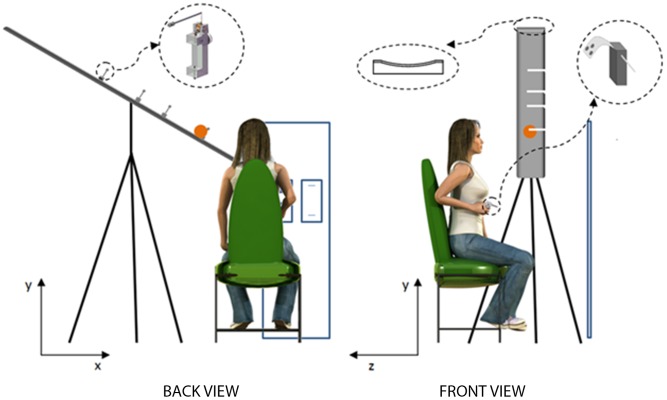
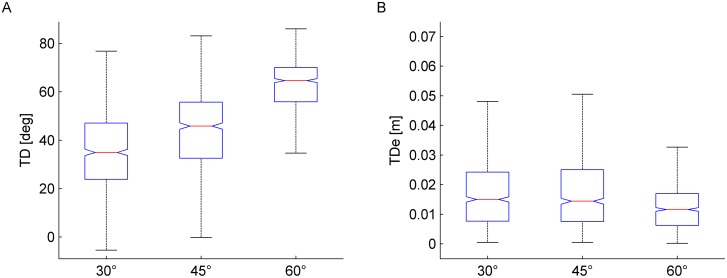
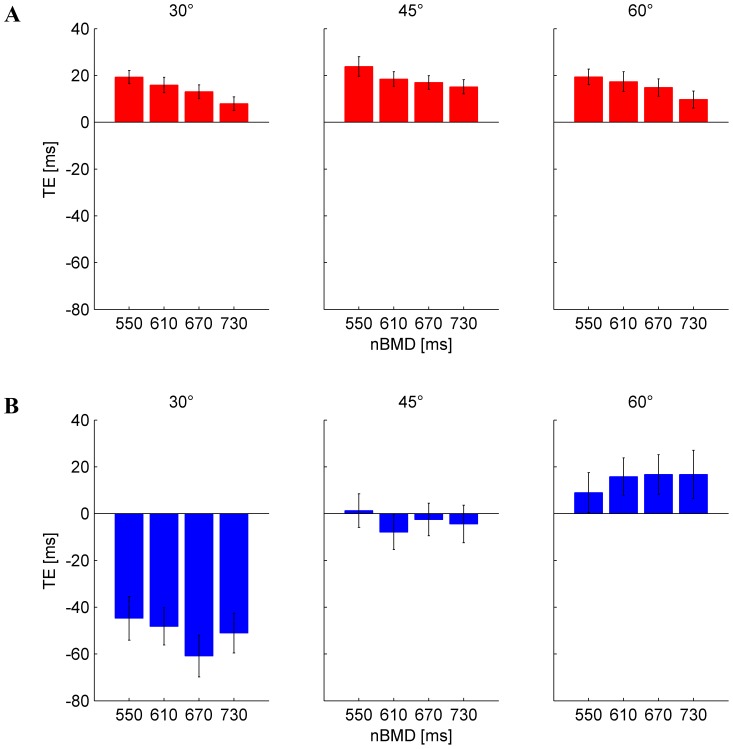
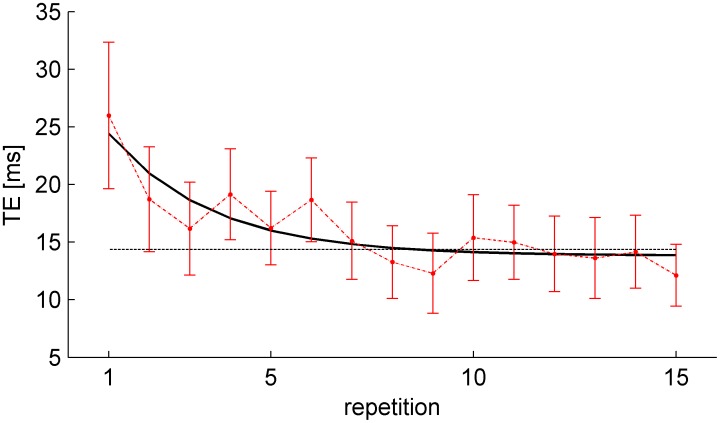
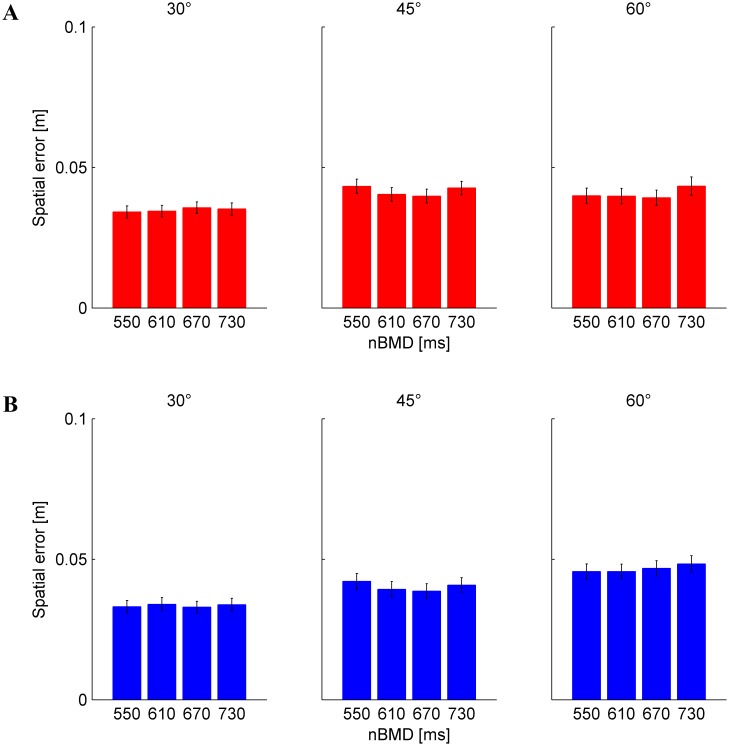
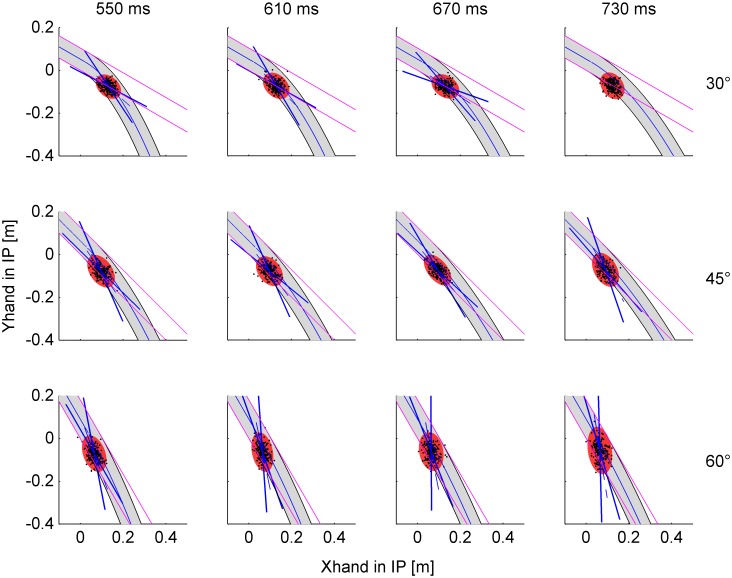
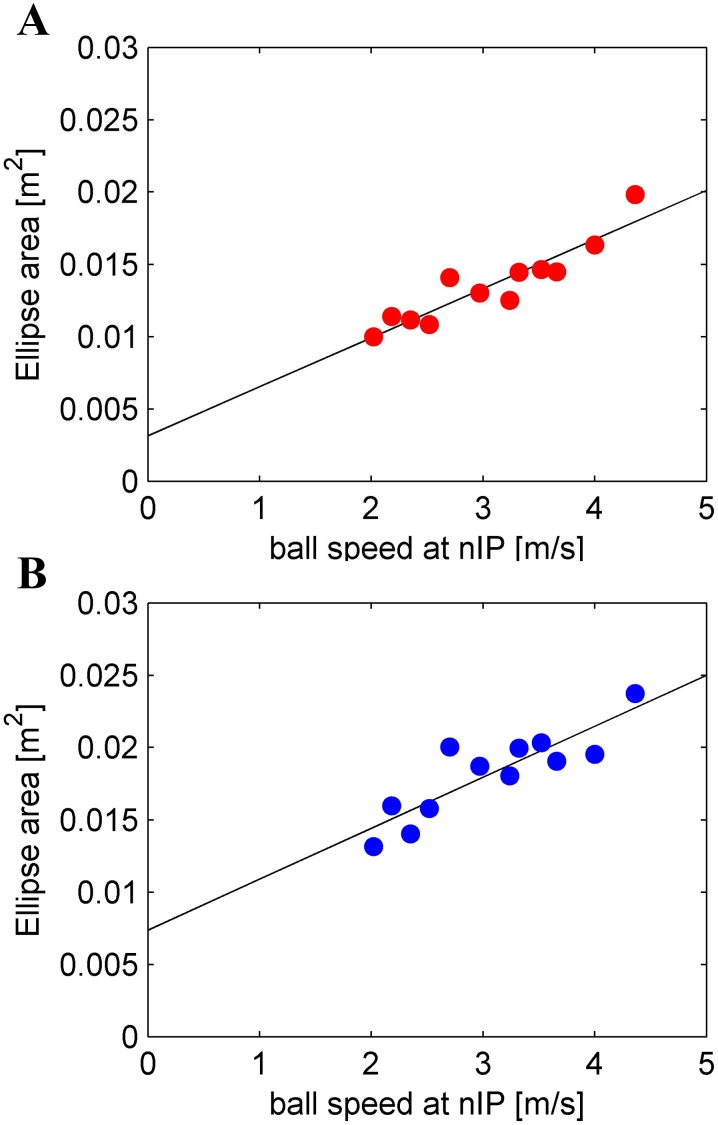
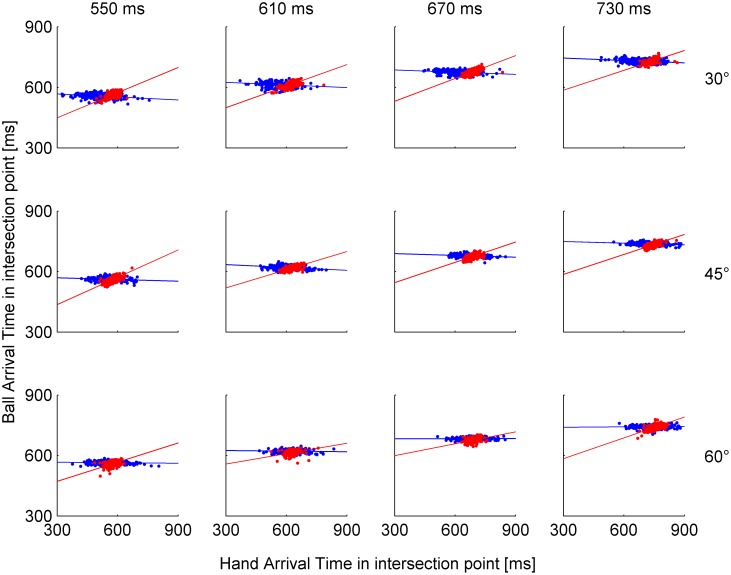
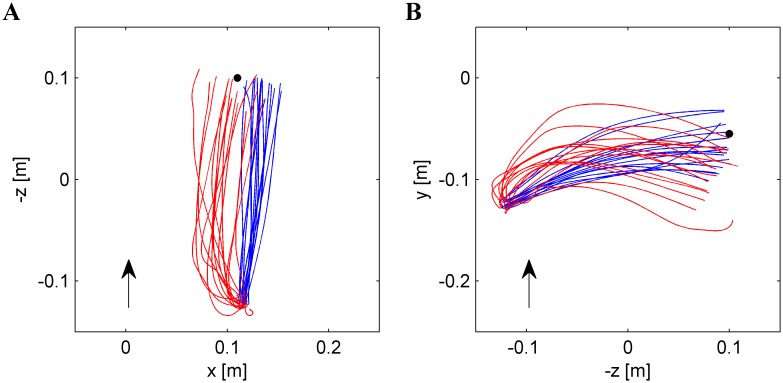
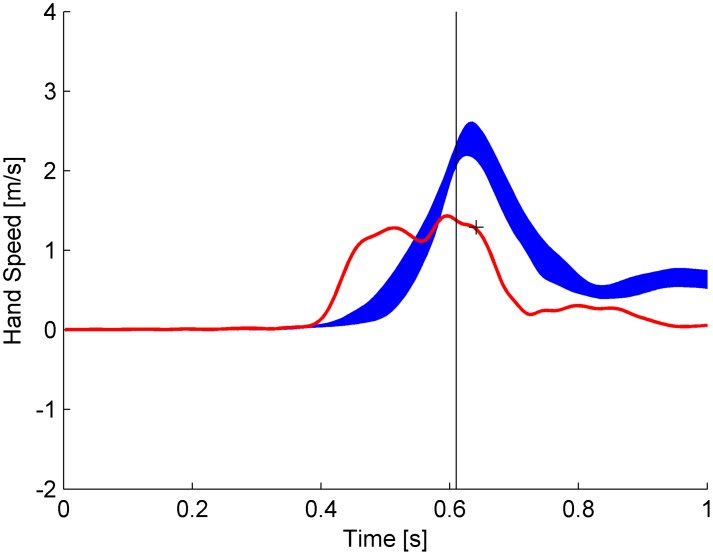
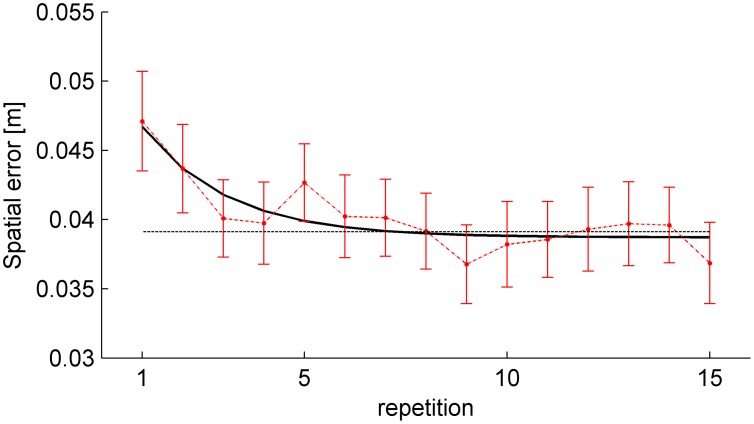
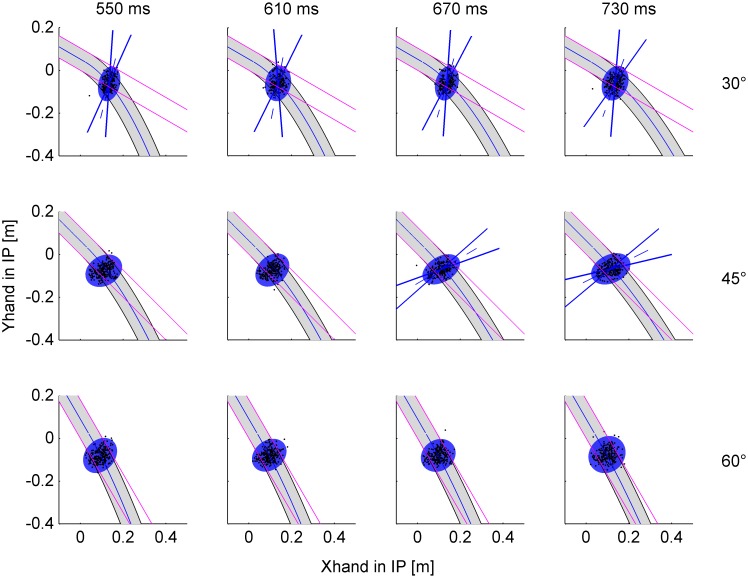
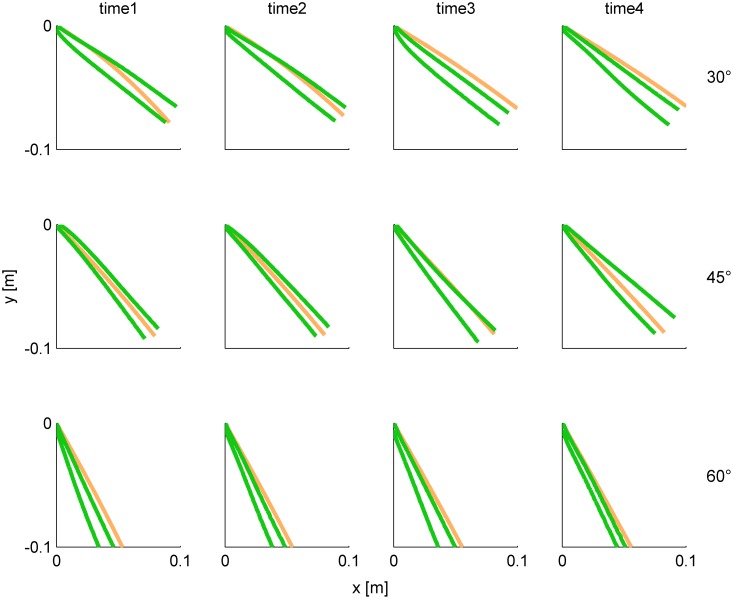
It is known that humans tend to misjudge the kinematics of a target rolling down an inclined plane. Because visuomotor responses are often more accurate and less prone to perceptual illusions than cognitive judgments, we asked the question of how rolling motion is extrapolated for manual interception or drawing tasks. In three experiments a ball rolled down an incline with kinematics that differed as a function of the starting position (4 different positions) and slope (30°, 45° or 60°). In Experiment 1, participants had to punch the ball as it fell off the incline. In Experiment 2, the ball rolled down the incline but was stopped at the end; participants were asked to imagine that the ball kept moving and to punch it. In Experiment 3, the ball rolled down the incline and was stopped at the end; participants were asked to draw with the hand in air the trajectory that would be described by the ball if it kept moving. We found that performance was most accurate when motion of the ball was visible until interception and haptic feedback of hand-ball contact was available (Experiment 1). However, even when participants punched an imaginary moving ball (Experiment 2) or drew in air the imaginary trajectory (Experiment 3), they were able to extrapolate to some extent global aspects of the target motion, including its path, speed and arrival time. We argue that the path and kinematics of a ball rolling down an incline can be extrapolated surprisingly well by the brain using both visual information and internal models of target motion.
众所周知,人类往往会误判沿斜面滚下的目标的运动学。由于视觉运动反应通常比认知判断更准确,且不易产生感知错觉,我们提出了一个问题:在手动拦截或绘图任务中,滚动运动是如何外推的。在三个实验中,一个球以不同的运动学特征沿斜面滚下,这些特征因起始位置(4个不同位置)和坡度(30°、45°或60°)而异。在实验1中,参与者必须在球从斜面上滚落时击打它。在实验2中,球沿斜面滚下,但在末端停止;参与者被要求想象球继续运动并击打它。在实验3中,球沿斜面滚下并在末端停止;参与者被要求在空中用手画出球如果继续运动将描绘的轨迹。我们发现,当球的运动在拦截前可见且有手与球接触的触觉反馈时(实验1),表现最为准确。然而,即使参与者击打一个想象中的运动球(实验2)或在空中画出想象中的轨迹(实验3),他们也能够在一定程度上推断出目标运动的全局特征,包括其路径、速度和到达时间。我们认为,大脑可以利用视觉信息和目标运动的内部模型,非常出色地外推沿斜面滚下的球的路径和运动学特征。