Sulaiman Kadhim J, Panduranga Prashanth, Al-Zakwani Ibrahim, Alsheikh-Ali Alawi, Al-Habib Khalid, Al-Suwaidi Jassim, Al-Mahmeed Wael, Al-Faleh Husam, El-Asfar Abdelfatah, Al-Motarreb Ahmed, Ridha Mustafa, Bulbanat Bassam, Al-Jarallah Mohammed, Bazargani Nooshin, Asaad Nidal, Amin Haitham
Department of Cardiology, Royal Hospital, Muscat, Oman.
Department of Pharmacology and Clinical Pharmacy, Sultan Qaboos University and Gulf Health Research, Muscat, Oman.
Heart Views. 2014 Jan;15(1):6-12. doi: 10.4103/1995-705X.132137.
There is paucity of data on heart failure (HF) in the Gulf Middle East. The present paper describes the rationale, design, methodology and hospital characteristics of the first Gulf acute heart failure registry (Gulf CARE).
Gulf CARE is a prospective, multicenter, multinational registry of patients >18 year of age admitted with diagnosis of acute HF (AHF). The data collected included demographics, clinical characteristics, etiology, precipitating factors, management and outcomes of patients admitted with AHF. In addition, data about hospital readmission rates, procedures and mortality at 3 months and 1-year follow-up were recorded. Hospital characteristics and care provider details were collected. Data were entered in a dedicated website using an electronic case record form.
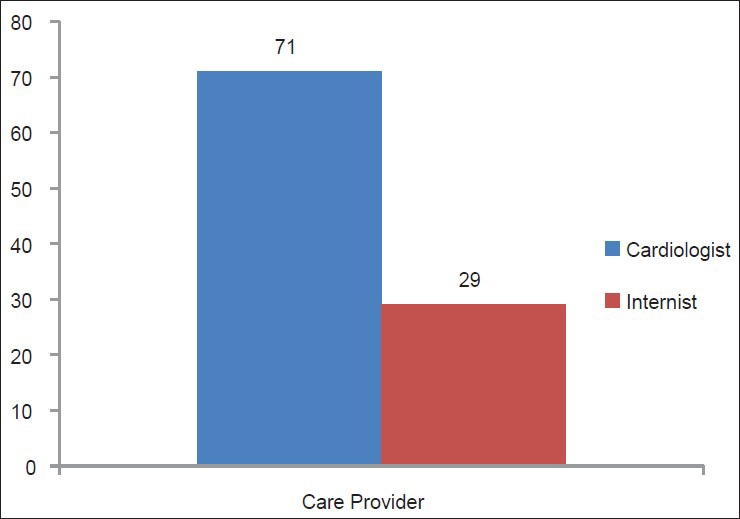
A total of 5005 consecutive patients were enrolled from February 14, 2012 to November 13, 2012. Forty-seven hospitals in 7 Gulf States (Oman, Saudi Arabia, Yemen, Kuwait, United Gulf Emirates, Qatar and Bahrain) participated in the project. The majority of hospitals were community hospitals (46%; 22/47) followed by non-University teaching (32%; 15/47 and University hospitals (17%). Most of the hospitals had intensive or coronary care unit facilities (93%; 44/47) with 59% (28/47) having catheterization laboratory facilities. However, only 29% (14/47) had a dedicated HF clinic facility. Most patients (71%) were cared for by a cardiologist.
Gulf CARE is the first prospective registry of AHF in the Middle East, intending to provide a unique insight into the demographics, etiology, management and outcomes of AHF in the Middle East. HF management in the Middle East is predominantly provided by cardiologists. The data obtained from this registry will help the local clinicians to identify the deficiencies in HF management as well as provide a platform to implement evidence based preventive and treatment strategies to reduce the burden of HF in this region.
中东海湾地区关于心力衰竭(HF)的数据匮乏。本文描述了首个海湾急性心力衰竭注册研究(海湾CARE)的基本原理、设计、方法及医院特征。
海湾CARE是一项针对年龄大于18岁、诊断为急性心力衰竭(AHF)的住院患者的前瞻性、多中心、跨国注册研究。收集的数据包括人口统计学资料、临床特征、病因、诱发因素、AHF住院患者的治疗及转归。此外,还记录了3个月和1年随访时的医院再入院率、诊疗操作及死亡率。收集了医院特征及医疗服务提供者的详细信息。数据通过电子病例表格录入一个专用网站。
2012年2月14日至2012年11月13日,共连续纳入5005例患者。来自7个海湾国家(阿曼、沙特阿拉伯、也门、科威特、阿联酋、卡塔尔和巴林)的47家医院参与了该项目。大多数医院为社区医院(46%;22/47),其次是非大学教学医院(32%;15/47)和大学医院(17%)。大多数医院具备重症监护或冠心病监护病房设施(93%;44/47),59%(28/47)具备心导管实验室设施。然而,仅有29%(14/47)设有专门的心力衰竭门诊设施。大多数患者(71%)由心脏病专家诊治。
海湾CARE是中东地区首个关于AHF的前瞻性注册研究,旨在深入了解中东地区AHF的人口统计学特征、病因、治疗及转归。中东地区的心力衰竭管理主要由心脏病专家提供。从该注册研究获得的数据将有助于当地临床医生识别心力衰竭管理中的不足,并提供一个平台来实施基于证据的预防和治疗策略,以减轻该地区心力衰竭的负担。