Departamento de Bioquímica e Imunologia, Instituto de Ciências Biológicas, Universidade Federal de Minas Gerais Belo Horizonte, Brazil.
Departamento de Patologia Geral, Instituto de Ciências Biológicas, Universidade Federal de Minas Gerais Belo Horizonte, Brazil.
Front Genet. 2014 Jun 11;5:174. doi: 10.3389/fgene.2014.00174. eCollection 2014.
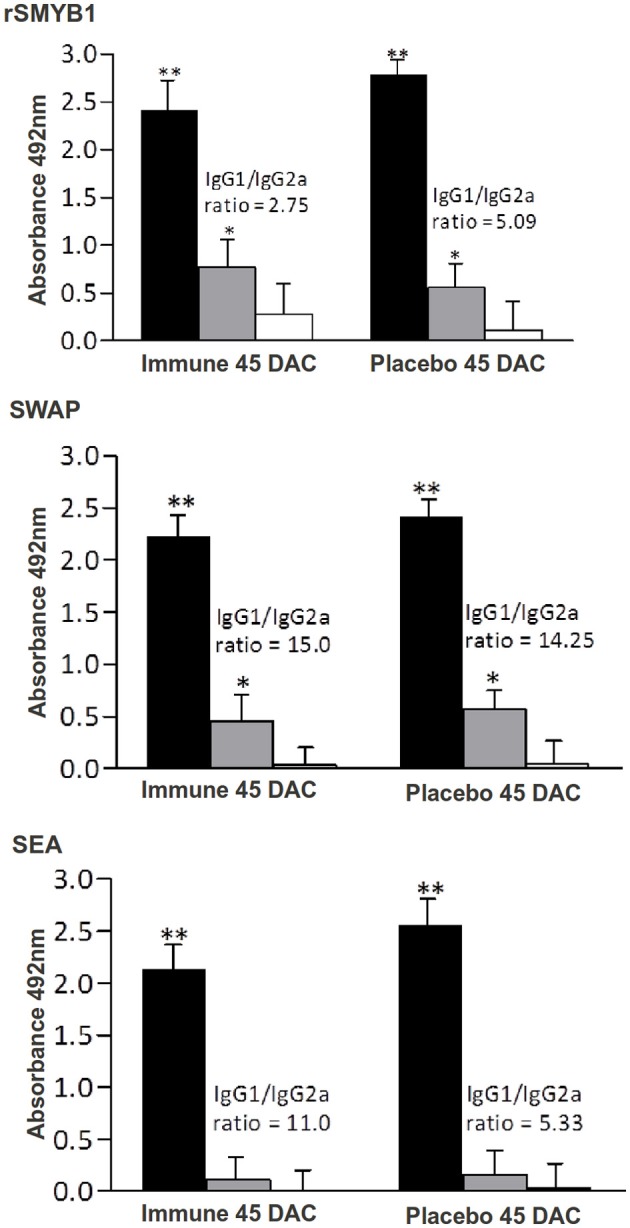
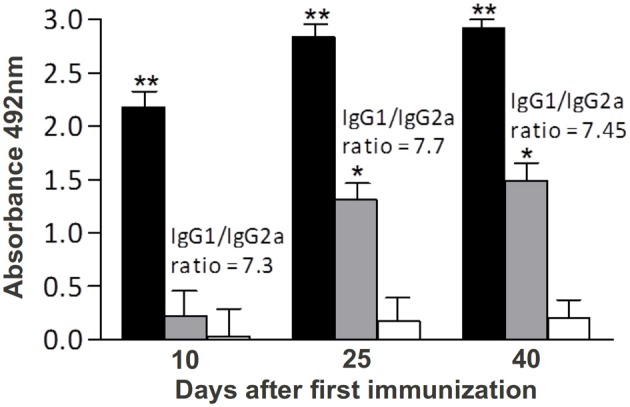
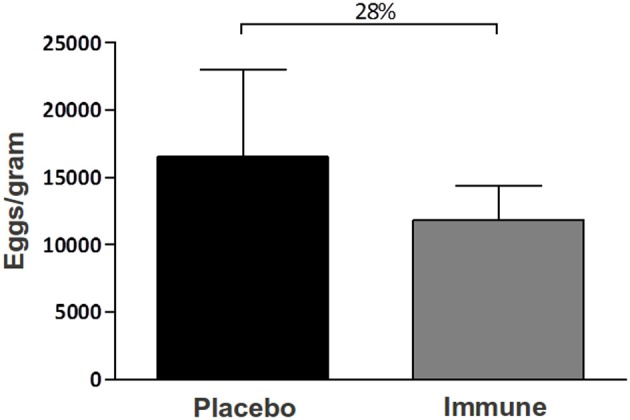
Schistosomiasis is a neglected tropical disease, and after malaria, is the second most important tropical disease in public health. A vaccine that reduces parasitemia is desirable to achieve mass treatment with a low cost. Although potential antigens have been identified and tested in clinical trials, no effective vaccine against schistosomiasis is available. Y-box-binding proteins (YBPs) regulate gene expression and participate in a variety of cellular processes, including transcriptional and translational regulation, DNA repair, cellular proliferation, drug resistance, and stress responses. The Schistosoma mansoni ortholog of the human YB-1, SMYB1, is expressed in all stages of the parasite life cycle. Although SMYB1 binds to DNA or RNA oligonucleotides, immunohistochemistry assays demonstrated that it is primarily localized in the cytoplasm of parasite cells. In addition, SMYB1 interacts with a protein involved in mRNA processing, suggesting that SMYB1 functions in the turnover, transport, and/or stabilization of RNA molecules during post-transcriptional gene regulation. Here we report the potential of SMYB1 as a vaccine candidate. We demonstrate that recombinant SMYB1 stimulates the production of high levels of specific IgG1 antibodies in a mouse model. The observed levels of specific IgG1 and IgG2a antibodies indicate an actual protection against cercariae challenge. Animals immunized with rSMYB1 exhibited a 26% reduction in adult worm burden and a 28% reduction in eggs retained in the liver. Although proteins from the worm tegument are considered optimal targets for vaccine development, this study demonstrates that unexposed cytoplasmic proteins can reduce the load of intestinal worms and the number of eggs retained in the liver.
血吸虫病是一种被忽视的热带病,是仅次于疟疾的第二大公共卫生重点热带病。人们希望有一种能降低寄生虫血症的疫苗,以便用低成本进行大规模治疗。尽管已经鉴定和测试了一些有潜力的抗原,但目前还没有有效的血吸虫病疫苗。Y 盒结合蛋白(YBPs)调节基因表达,并参与多种细胞过程,包括转录和翻译调控、DNA 修复、细胞增殖、耐药性和应激反应。曼氏血吸虫与人 YB-1 同源的 SMYB1,在寄生虫生命周期的所有阶段都有表达。尽管 SMYB1 可以与 DNA 或 RNA 寡核苷酸结合,但免疫组织化学检测表明,它主要定位于寄生虫细胞的细胞质中。此外,SMYB1 与参与 mRNA 加工的蛋白相互作用,这表明 SMYB1 在转录后基因调控过程中参与 RNA 分子的周转、运输和/或稳定。在这里,我们报告了 SMYB1 作为疫苗候选物的潜力。我们证明,重组 SMYB1 在小鼠模型中刺激产生高水平的特异性 IgG1 抗体。观察到的特异性 IgG1 和 IgG2a 抗体水平表明对尾蚴攻击有实际的保护作用。用 rSMYB1 免疫的动物成虫负荷减少了 26%,肝脏中保留的虫卵减少了 28%。尽管虫体被膜的蛋白被认为是疫苗开发的最佳靶标,但这项研究表明,未暴露的细胞质蛋白可以减少肠道蠕虫的负荷和肝脏中保留的虫卵数量。