Centre for Population Health Sciences and the World Health Organization's Collaboration Centre for Population Health Research and Training, The University of Edinburgh Medical School, Edinburgh, Scotland, UK.
J Glob Health. 2014 Jun;4(1):010404. doi: 10.7189/jogh.04.010404.
Diabetes mellitus is one of the diseases considered to be the main constituents of the global non-communicable disease (NCD) pandemic. Despite the large impact that NCDs are predicted to have, particularly in developing countries, estimates of disease burden are sparse and inconsistent. This systematic review transparently estimates prevalence of type 2 diabetes mellitus in Southern Asia, its association with urbanization and provides insight into the policy challenges facing the region.
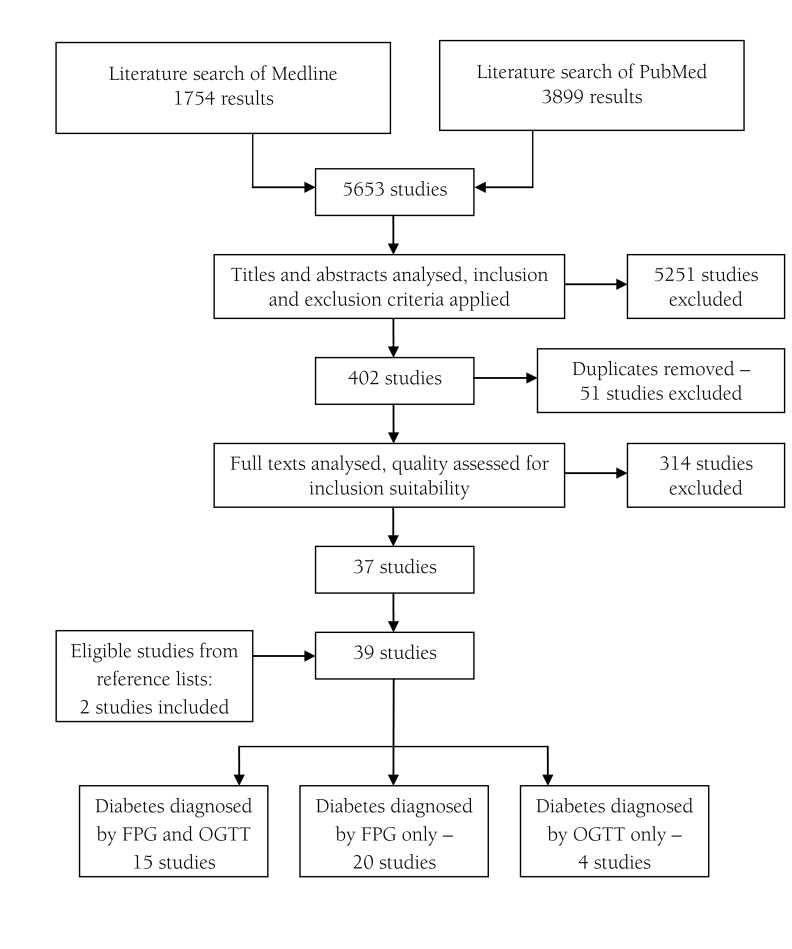
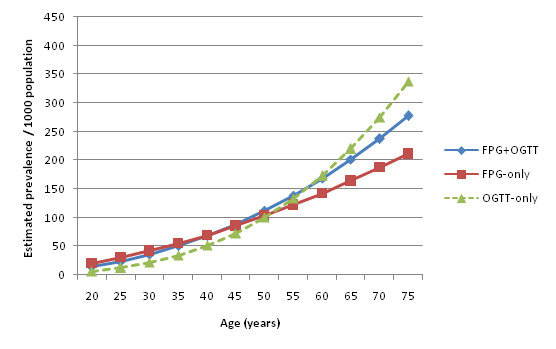
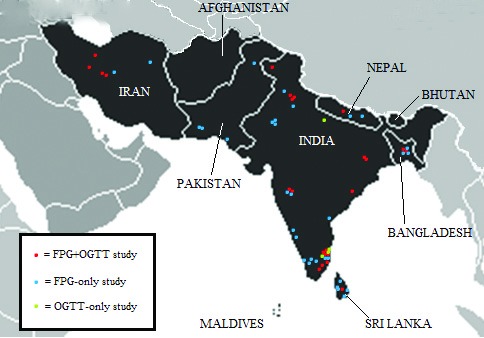
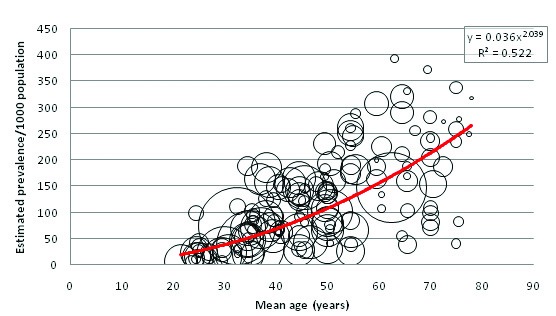
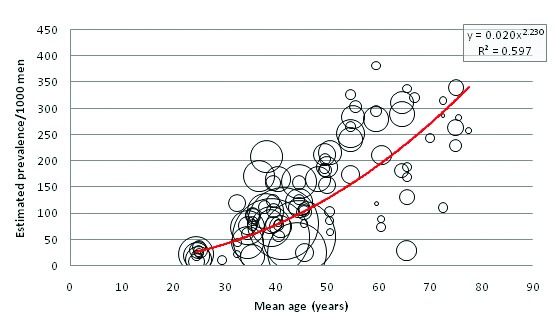
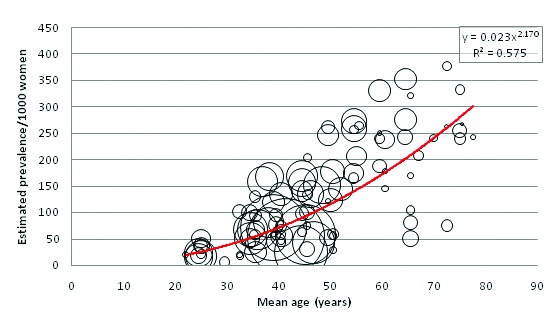
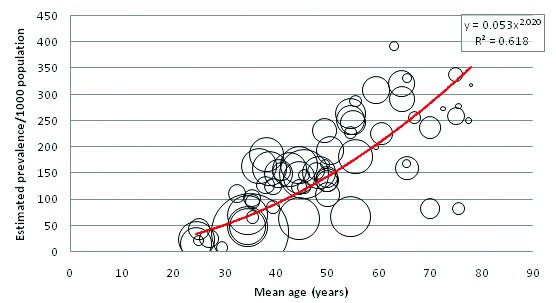
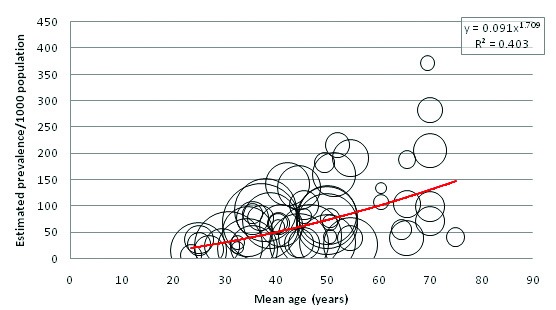
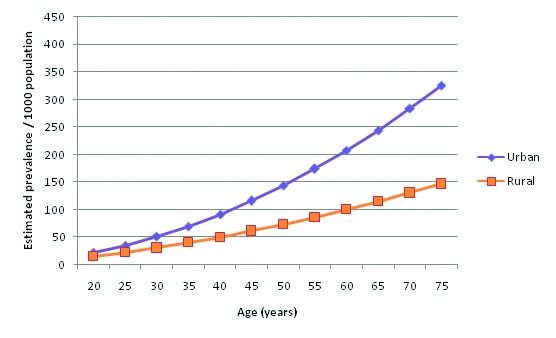
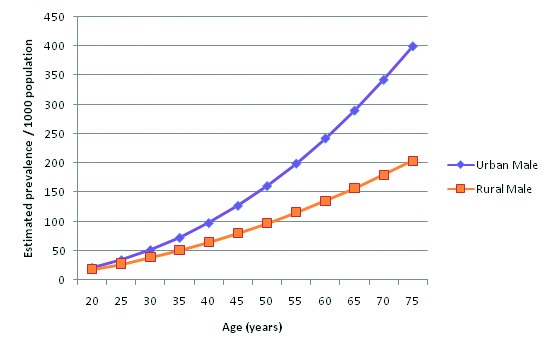
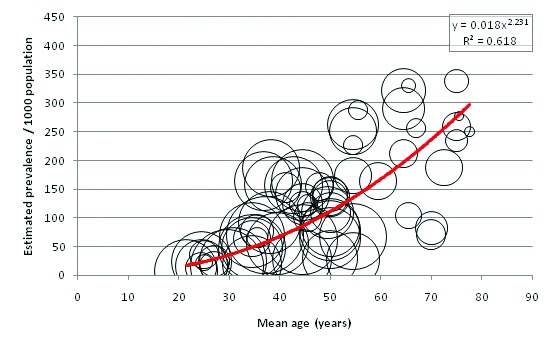
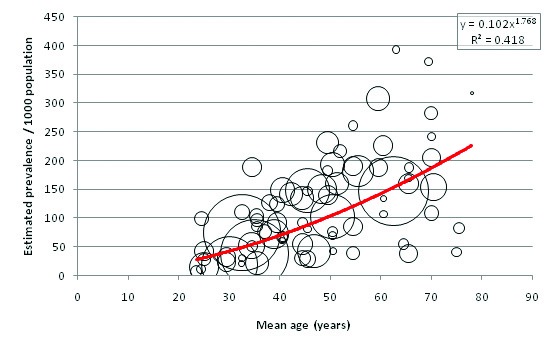
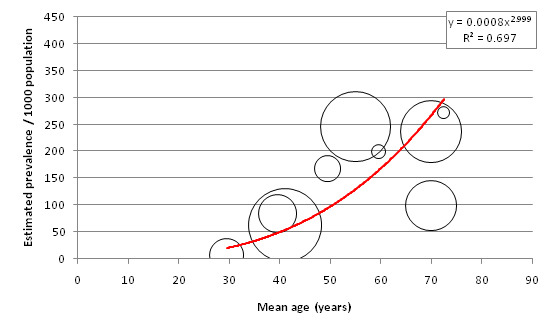
The databases Medline and PubMed were searched for population-based studies providing estimates of diabetes prevalence in the Southern Asia region. Studies using WHO diagnostic criteria of fasting plasma glucose (FPG) ≥7.0mmol/L and/or 2h-plasma glucose (2hPG) ≥11.1mmol/L were included. Data from eligible studies was extracted into bubble graphs, and trend lines were applied to UNPD figures to estimate age-specific prevalence in the regional population. Estimates specific to sex, area of residency, and diagnostic method were compared and trends analysed.
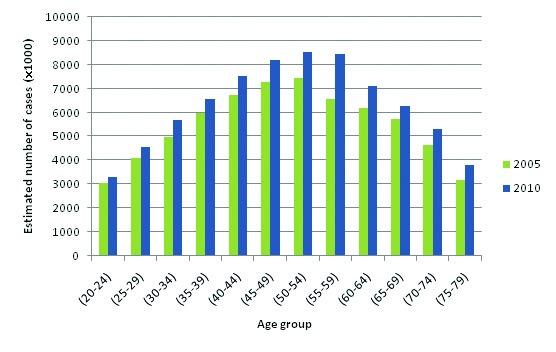
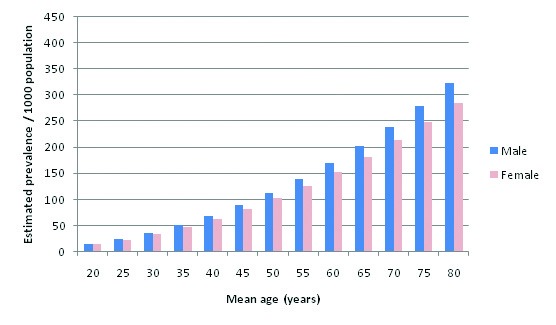
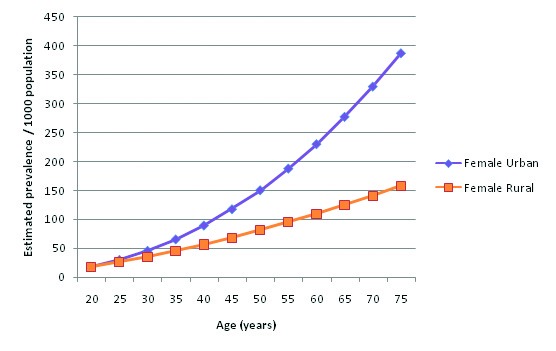
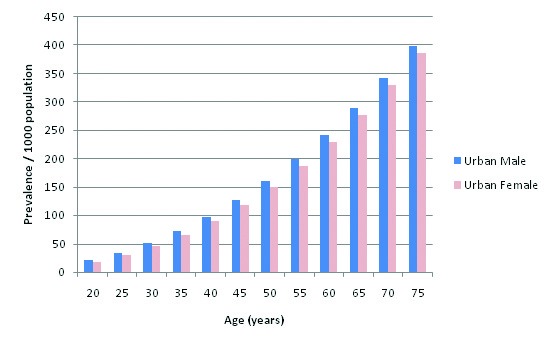
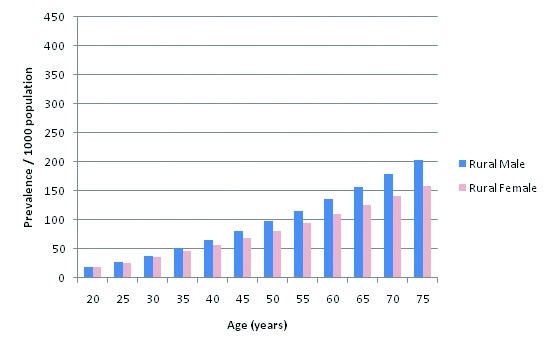
A total of 151 age-specific prevalence estimates were extracted from 39 studies. Diabetes prevalence was estimated to be 7.47% for 2005 and 7.60% for 2010. Prevalence was strongly associated with increased age, male gender and urban residency (P < 0.001).
Diabetes prevalence in Southern Asia is high and predicted to increase in the future as life expectancy rises and the region continues to urbanise. Countries in this region need to improve NCD surveillance and monitoring so policies can be informed with the best evidence. Programs for prevention need to be put in place, and health system capacity and access needs to be assessed and increased to deal with the predicted rise in NCD prevalence.
糖尿病是被认为是全球非传染性疾病(NCD)大流行的主要组成部分之一的疾病。尽管 NCD 预计会产生巨大影响,尤其是在发展中国家,但疾病负担的估计数据仍然很少且不一致。本系统评价透明地估计了南亚 2 型糖尿病的患病率,及其与城市化的关系,并深入了解该地区面临的政策挑战。
在 Medline 和 PubMed 数据库中搜索提供南亚地区糖尿病患病率估计值的基于人群的研究。纳入使用世界卫生组织(WHO)空腹血糖(FPG)≥7.0mmol/L 和/或 2 小时血糖(2hPG)≥11.1mmol/L 诊断标准的研究。将合格研究的数据提取到气泡图中,并将趋势线应用于联合国人口司的数据,以估计该地区人口的特定年龄患病率。比较了特定于性别、居住区域和诊断方法的估计值,并分析了趋势。
从 39 项研究中提取了 151 项特定年龄的患病率估计值。2005 年和 2010 年糖尿病的患病率估计分别为 7.47%和 7.60%。患病率与年龄增长、男性性别和城市居住显著相关(P<0.001)。
南亚地区的糖尿病患病率较高,预计随着预期寿命的延长和该地区继续城市化,未来患病率还会增加。该地区的国家需要改善非传染性疾病监测和监测,以便能够根据最佳证据制定政策。需要制定预防计划,并评估和增加卫生系统能力和获得途径,以应对预计的非传染性疾病患病率上升。