Center of Clinical and Experimental Medicine, University of Medicine and Pharmacy of Craiova , Craiova , Romania.
Center of Clinical and Experimental Medicine, University of Medicine and Pharmacy of Craiova , Craiova , Romania ; Department of Psychiatry, University Medicine of Rostock , Rostock , Germany.
Front Aging Neurosci. 2014 Jun 23;6:130. doi: 10.3389/fnagi.2014.00130. eCollection 2014.
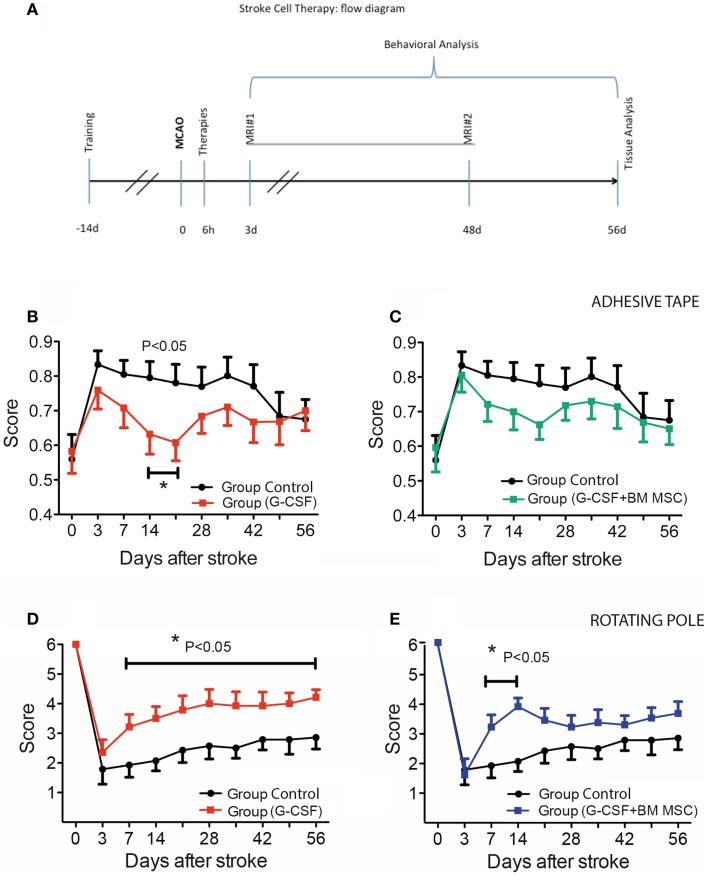
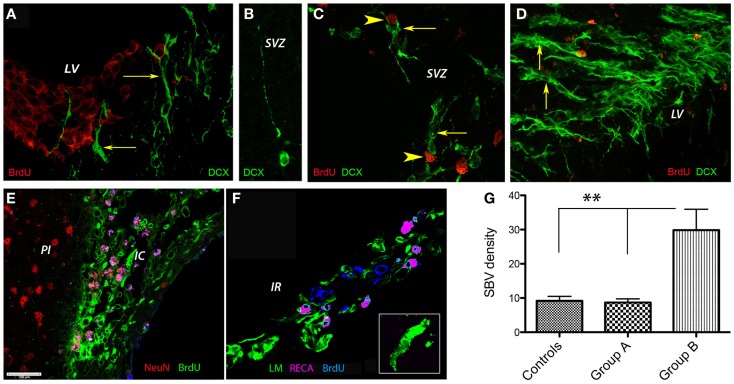
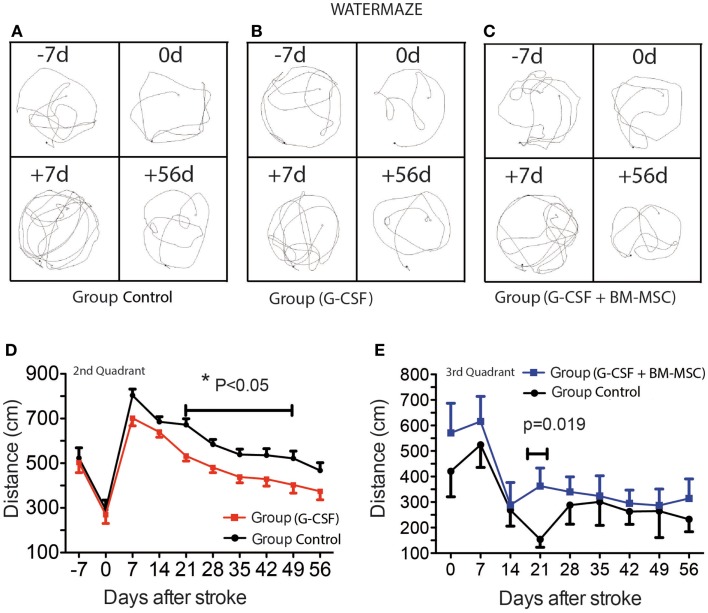
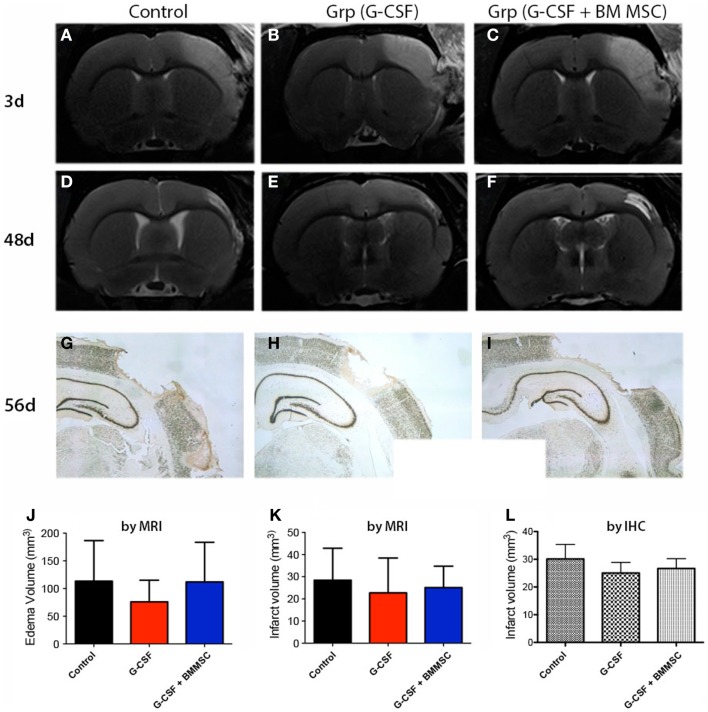
Attractive therapeutic strategies to enhance post-stroke recovery of aged brains include methods of cellular therapy that can enhance the endogenous restorative mechanisms of the injured brain. Since stroke afflicts mostly the elderly, it is highly desirable to test the efficacy of cell therapy in the microenvironment of aged brains that is generally refractory to regeneration. In particular, stem cells from the bone marrow allow an autologous transplantation approach that can be translated in the near future to the clinical practice. Such a bone marrow-derived therapy includes the grafting of stem cells as well as the delayed induction of endogenous stem cell mobilization and homing by the stem cell mobilizer granulocyte colony-stimulating factor (G-CSF). We tested the hypothesis that grafting of bone marrow-derived pre-differentiated mesenchymal cells (BM-MSCs) in G-CSF-treated animals improves the long-term functional outcome in aged rodents. To this end, G-CSF alone (50 μg/kg) or in combination with a single dose (10(6) cells) of rat BM MSCs was administered intravenously to Sprague-Dawley rats at 6 h after transient occlusion (90 min) of the middle cerebral artery. Infarct volume was measured by magnetic resonance imaging at 3 and 48 days post-stroke and additionally by immunhistochemistry at day 56. Functional recovery was tested during the entire post-stroke survival period of 56 days. Daily treatment for post-stroke aged rats with G-CSF led to a robust and consistent improvement of neurological function after 28 days. The combination therapy also led to robust angiogenesis in the formerly infarct core and beyond in the "islet of regeneration." However, G-CSF + BM MSCs may not impact at all on the spatial reference-memory task or infarct volume and therefore did not further improve the post-stroke recovery. We suggest that in a real clinical practice involving older post-stroke patients, successful regenerative therapies would have to be carried out for a much longer time.
有吸引力的治疗策略,以增强中风后老年大脑的恢复包括细胞治疗方法,可以增强受伤大脑的内源性修复机制。由于中风主要影响老年人,因此非常希望在通常对再生有抵抗力的老年大脑的微环境中测试细胞治疗的疗效。特别是,骨髓中的干细胞允许进行自体移植方法,该方法可以在不久的将来转化为临床实践。这种骨髓衍生的治疗包括移植干细胞以及通过干细胞动员剂粒细胞集落刺激因子(G-CSF)延迟诱导内源性干细胞动员和归巢。我们测试了这样一个假设,即在 G-CSF 处理的动物中移植骨髓来源的预分化间充质细胞(BM-MSCs)可改善老年啮齿动物的长期功能结果。为此,在大脑中动脉短暂闭塞(90 分钟)后 6 小时,单独给予 G-CSF(50μg/kg)或联合单次剂量(106个细胞)的大鼠 BM MSC 静脉内给药。在中风后 3 天和 48 天通过磁共振成像测量梗塞体积,并在第 56 天通过免疫组织化学进一步测量。在 56 天的整个中风后存活期间测试功能恢复。中风后老年大鼠的每日 G-CSF 治疗导致在 28 天后神经功能得到稳健且一致的改善。联合治疗还导致在以前的梗塞核心内和“再生胰岛”之外也出现了强大的血管生成。然而,G-CSF+BM MSC 可能根本不会影响空间参考记忆任务或梗塞体积,因此并未进一步改善中风后的恢复。我们建议,在涉及老年中风患者的实际临床实践中,成功的再生疗法将不得不进行更长的时间。