Colton Carol A, Wilson Joan G, Everhart Angela, Wilcock Donna M, Puoliväli Jukka, Heikkinen Taneli, Oksman Juho, Jääskeläinen Olli, Lehtimäki Kimmo, Laitinen Teemu, Vartiainen Nina, Vitek Michael P
From the Department of Neurology, Duke University Medical Center, Durham, North Carolina (CAC, JGW, AE, DMW, MPV); and Charles River Discovery Research Services Finland, Kuopio, Finland (JP, TH, JO, OJ, KL, TL, NV).
J Neuropathol Exp Neurol. 2014 Aug;73(8):752-69. doi: 10.1097/NEN.0000000000000094.
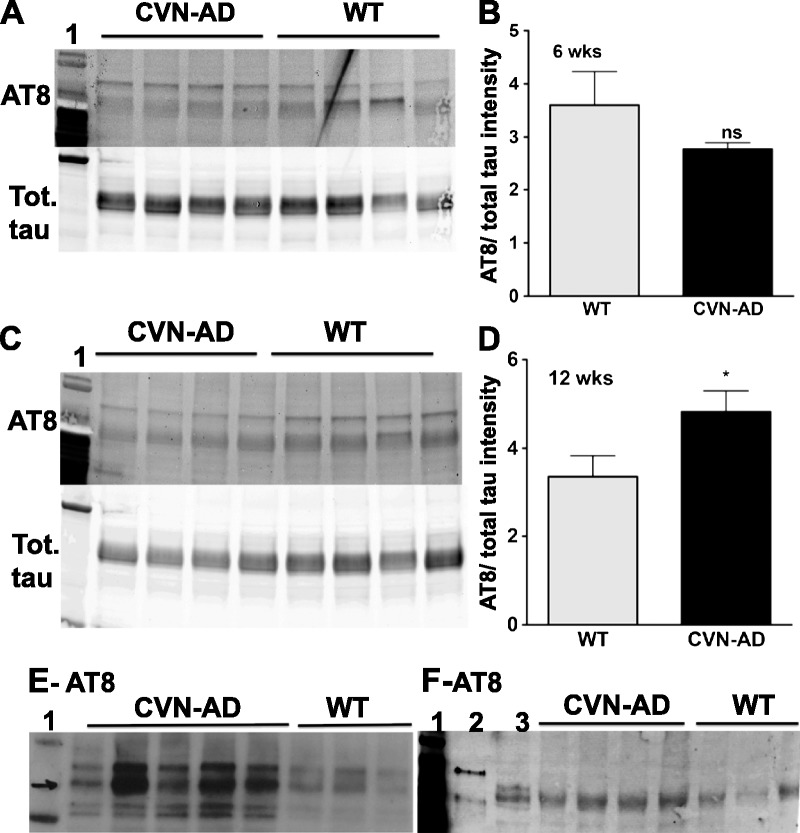
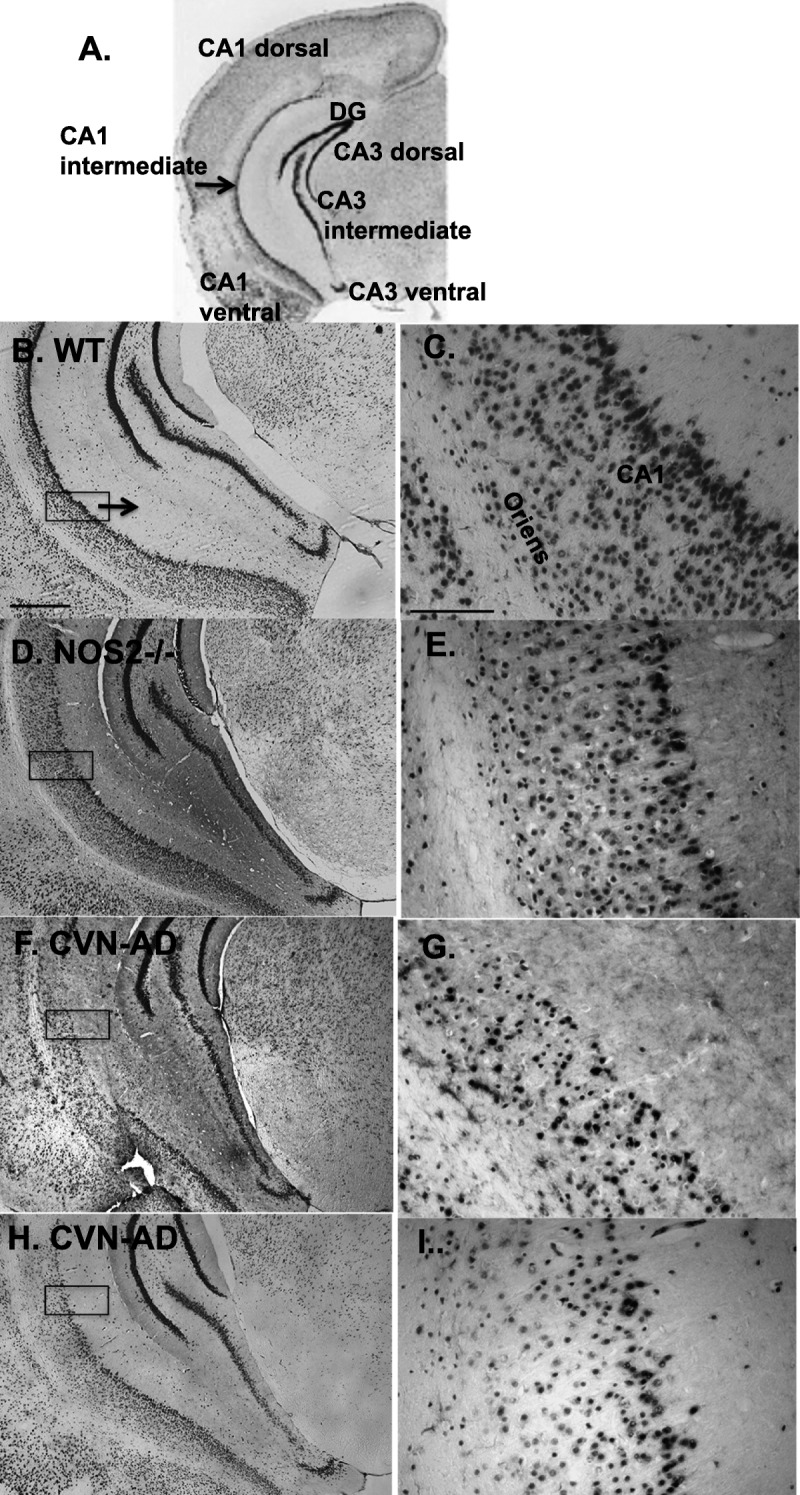
Understanding the pathophysiologic mechanisms underlying Alzheimer disease relies on knowledge of disease onset and the sequence of development of brain pathologies. We present a comprehensive analysis of early and progressive changes in a mouse model that demonstrates a full spectrum of characteristic Alzheimer disease-like pathologies. This model demonstrates an altered immune redox state reminiscent of the human disease and capitalizes on data indicating critical differences between human and mouse immune responses, particularly in nitric oxide levels produced by immune activation of the NOS2 gene. Using the APPSwDI(+)/(+)mNos2(-/-) (CVN-AD) mouse strain, we show a sequence of pathologic events leading to neurodegeneration,which include pathologically hyperphosphorylated tau in the perforant pathway at 6 weeks of age progressing to insoluble tau, early appearance of β-amyloid peptides in perivascular deposits around blood vessels in brain regions known to be vulnerable to Alzheimer disease, and progression to damage and overt loss in select vulnerable neuronal populations in these regions. The role of species differences between hNOS2 and mNos2 was supported by generating mice in which the human NOS2 gene replaced mNos2. When crossed with CVN-AD mice, pathologic characteristics of this new strain (APPSwDI(+)/(-)/HuNOS2(tg+)/(+)/mNos2(-/-)) mimicked the pathologic phenotypes found in the CVN-AD strain.
了解阿尔茨海默病潜在的病理生理机制依赖于对疾病发病以及脑病理学发展顺序的认识。我们对一个小鼠模型中的早期和进展性变化进行了全面分析,该模型展现了一系列典型的阿尔茨海默病样病理特征。此模型显示出一种改变的免疫氧化还原状态,类似于人类疾病,并利用数据表明人类和小鼠免疫反应之间的关键差异,特别是在由NOS2基因免疫激活产生的一氧化氮水平方面。使用APPSwDI(+)/(+)mNos2(-/-)(CVN-AD)小鼠品系,我们展示了一系列导致神经退行性变的病理事件,其中包括6周龄时穿通通路中病理性过度磷酸化的tau蛋白发展为不溶性tau蛋白,在已知易患阿尔茨海默病的脑区血管周围沉积物中早期出现β-淀粉样肽,以及这些区域中特定易损神经元群体进展为损伤和明显缺失。通过生成将人类NOS2基因替代mNos2的小鼠,支持了hNOS2和mNos2之间物种差异的作用。当与CVN-AD小鼠杂交时,这个新品系(APPSwDI(+)/(-)/HuNOS2(tg+)/(+)/mNos2(-/-))的病理特征模仿了CVN-AD品系中发现的病理表型。