Laurenzana Anna, Biagioni Alessio, D'Alessio Silvia, Bianchini Francesca, Chillà Anastasia, Margheri Francesca, Luciani Cristina, Mazzanti Benedetta, Pimpinelli Nicola, Torre Eugenio, Danese Silvio, Calorini Lido, Del Rosso Mario, Fibbi Gabriella
Department of Experimental and Clinical Biomedical Science, University of Florence, Italy.
Department of Experimental and Clinical Biomedical Science, University of Florence, Italy; ITT, Istituto Toscano Tumori.
Oncotarget. 2014 Jun 15;5(11):3711-27. doi: 10.18632/oncotarget.1987.
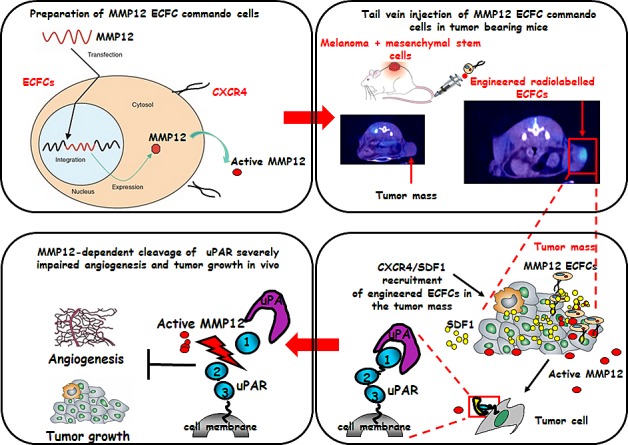
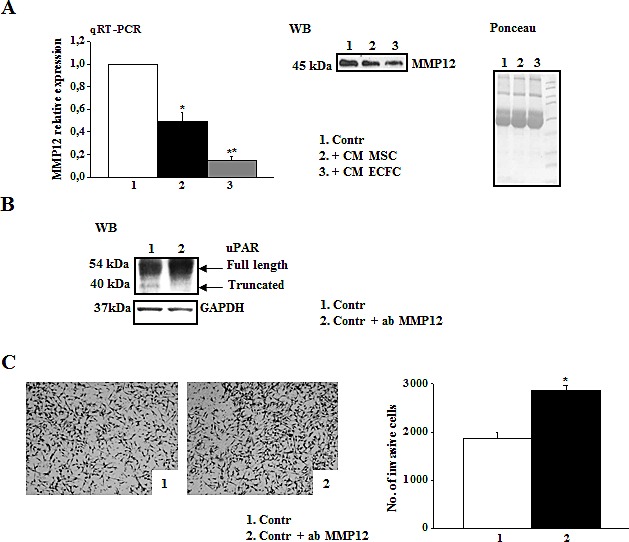
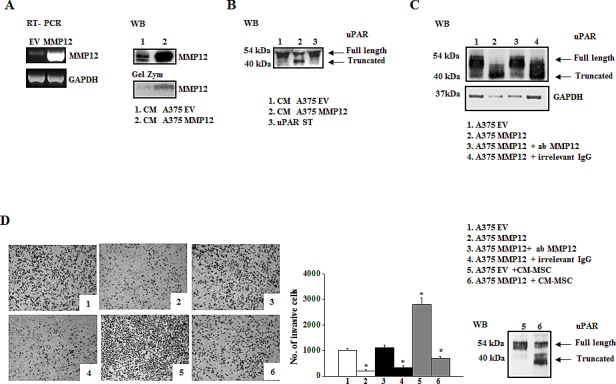
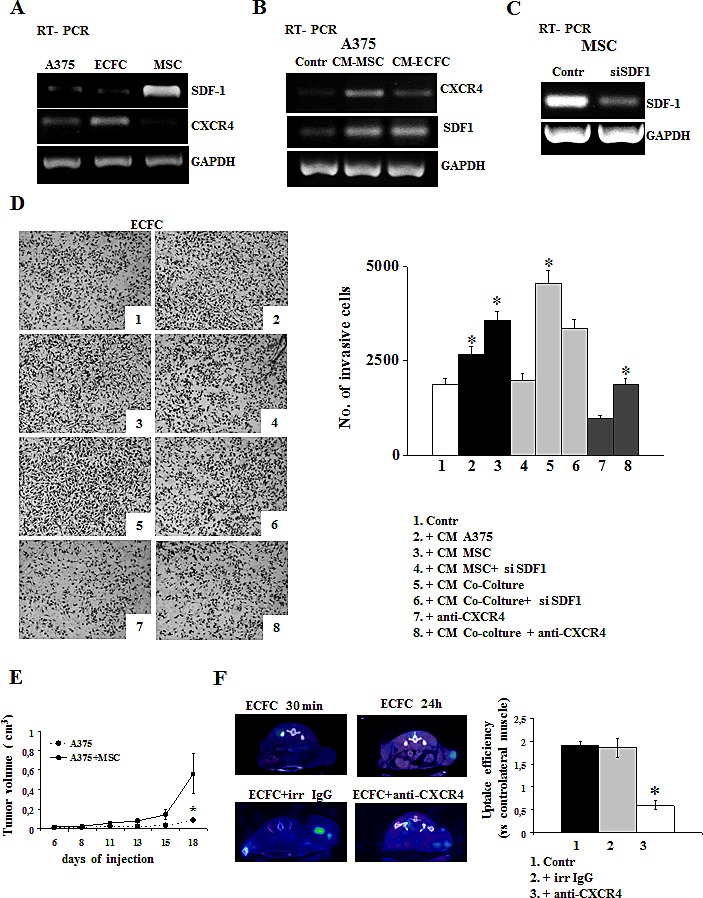
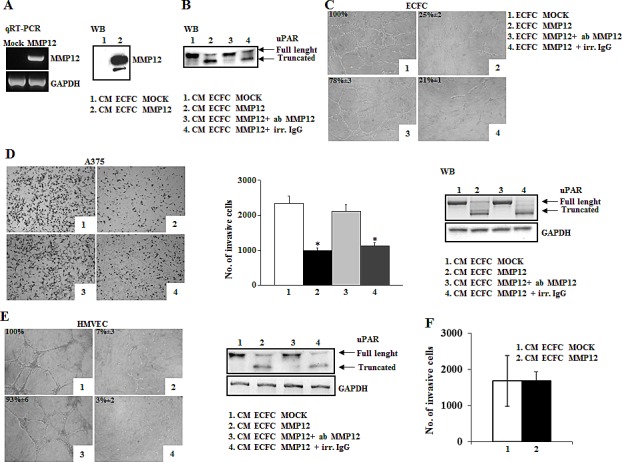
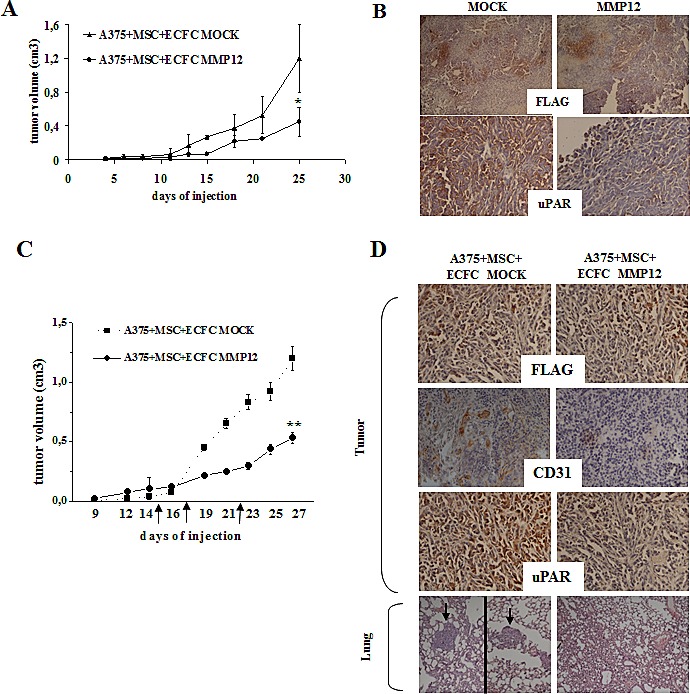
The receptor for the urokinase-type plasminogen activator (uPAR) accounts for many features of cancer progression, and is therefore considered a target for anti-tumoral therapy. Only full length uPAR mediates tumor progression. Matrix-metallo-proteinase-12 (MMP12)-dependent uPAR cleavage results into the loss of invasion properties and angiogenesis. MMP12 can be employed in the field of "targeted therapies" as a biological drug to be delivered directly in patient's tumor mass. Endothelial Progenitor Cells (EPCs) are selectively recruited within the tumor and could be used as cellular vehicles for delivering anti-cancer molecules. The aim of our study is to inhibit cancer progression by engeneering ECFCs, a subset of EPC, with a lentivirus encoding the anti-tumor uPAR-degrading enzyme MMP12. Ex vivo manipulated ECFCs lost the capacity to perform capillary morphogenesis and acquired the anti-tumor and anti-angiogenetic activity. In vivo MMP12-engineered ECFCs cleaved uPAR within the tumor mass and strongly inhibited tumor growth, tumor angiogenesis and development of lung metastasis. The possibility to exploit tumor homing and activity of autologous MMP12-engineered ECFCs represents a novel way to combat melanoma by a "personalized therapy", without rejection risk. The i.v. injection of radiolabelled MMP12-ECFCs can thus provide a new theranostic approach to control melanoma progression and metastasis.
尿激酶型纤溶酶原激活剂(uPAR)的受体与癌症进展的许多特征相关,因此被视为抗肿瘤治疗的靶点。只有全长uPAR介导肿瘤进展。基质金属蛋白酶-12(MMP12)依赖性的uPAR裂解导致侵袭特性和血管生成丧失。MMP12可作为生物药物应用于“靶向治疗”领域,直接输送到患者的肿瘤块中。内皮祖细胞(EPCs)在肿瘤内被选择性募集,可作为递送抗癌分子的细胞载体。我们研究的目的是通过用编码抗肿瘤uPAR降解酶MMP12的慢病毒改造EPC的一个亚群——内皮集落形成细胞(ECFCs),来抑制癌症进展。体外操作的ECFCs失去了形成毛细血管形态的能力,并获得了抗肿瘤和抗血管生成活性。体内经MMP12改造的ECFCs在肿瘤块内裂解uPAR,强烈抑制肿瘤生长、肿瘤血管生成和肺转移的发生。利用自体经MMP12改造的ECFCs的肿瘤归巢和活性,代表了一种通过“个性化治疗”对抗黑色素瘤的新方法,且无排斥风险。因此,静脉注射放射性标记的MMP12-ECFCs可为控制黑色素瘤进展和转移提供一种新的诊疗方法。