Tickle Peter G, Paxton Heather, Rankin Jeffery W, Hutchinson John R, Codd Jonathan R
Faculty of Life Sciences, University of Manchester , Manchester , UK.
Structure & Motion Laboratory, Department of Comparative Biomedical Sciences, The Royal Veterinary College, University of London , Hatfield, Hertfordshire , UK.
PeerJ. 2014 Jul 3;2:e432. doi: 10.7717/peerj.432. eCollection 2014.
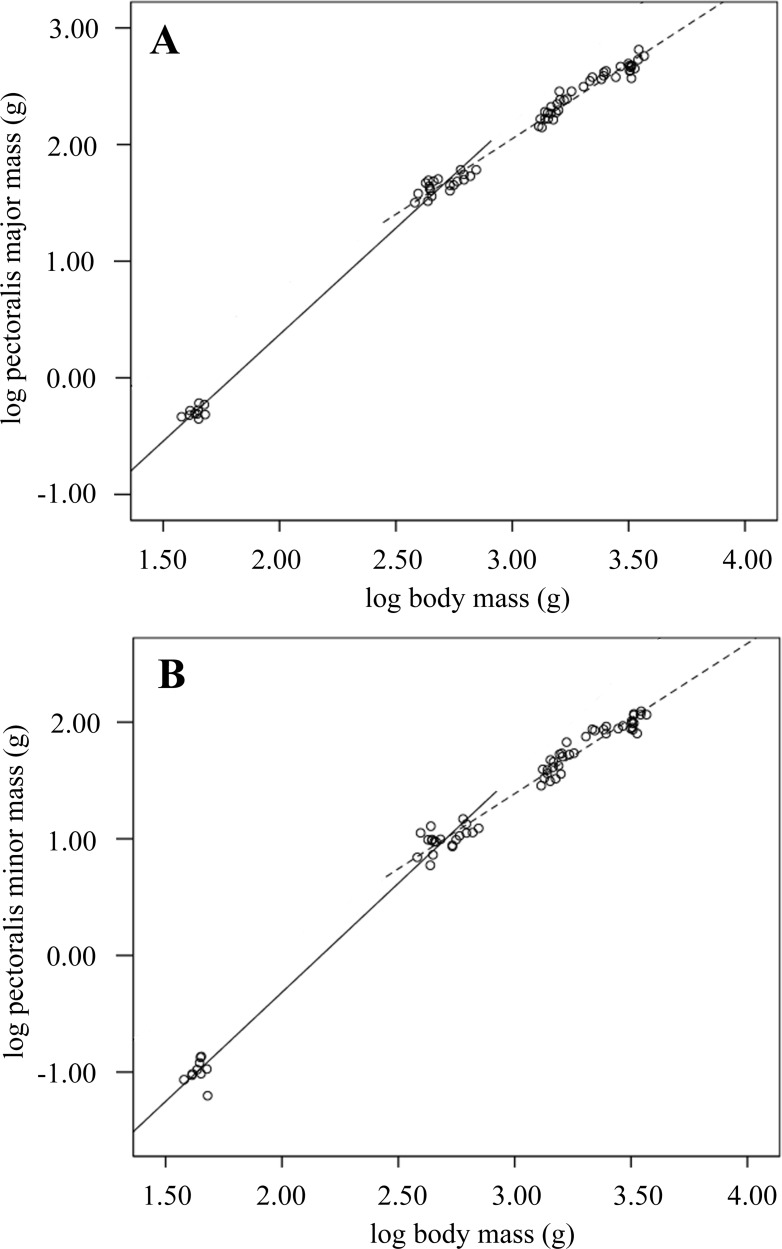
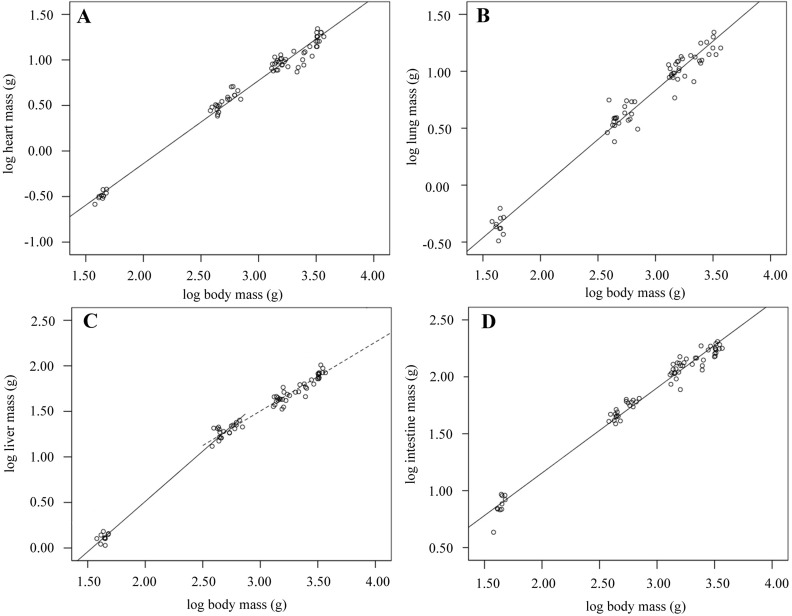
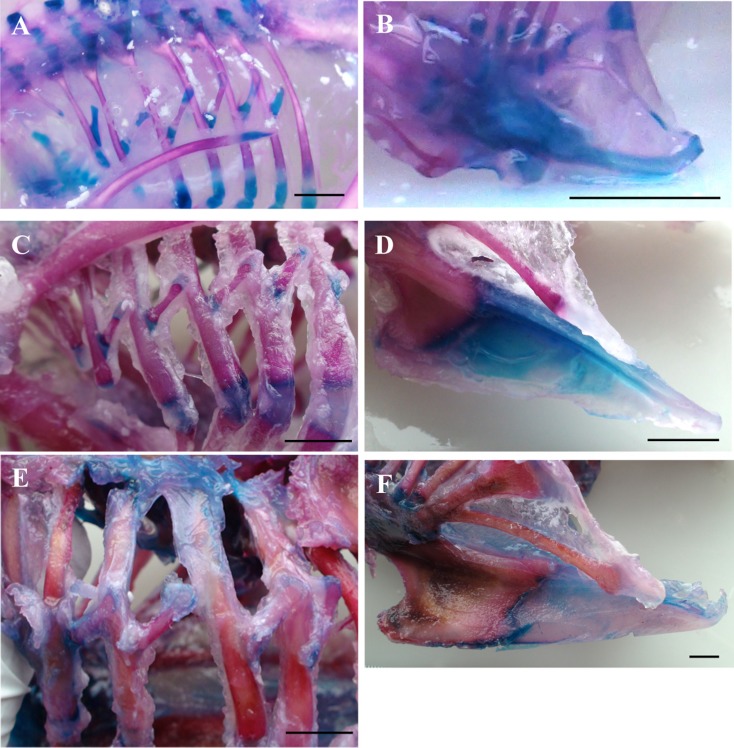
Genetic selection for improved meat yields, digestive efficiency and growth rates have transformed the biology of broiler chickens. Modern birds undergo a 50-fold multiplication in body mass in just six weeks, from hatching to slaughter weight. However, this selection for rapid growth and improvements in broiler productivity is also widely thought to be associated with increased welfare problems as many birds suffer from leg, circulatory and respiratory diseases. To understand growth-related changes in musculoskeletal and organ morphology and respiratory skeletal development over the standard six-week rearing period, we present data from post-hatch cadaveric commercial broiler chickens aged 0, 2, 4 and 6 weeks. The heart, lungs and intestines decreased in size for hatch to slaughter weight when considered as a proportion of body mass. Proportional liver size increased in the two weeks after hatch but decreased between 2 and 6 weeks. Breast muscle mass on the other hand displayed strong positive allometry, increasing in mass faster than the increase in body mass. Contrastingly, less rapid isometric growth was found in the external oblique muscle, a major respiratory muscle that moves the sternum dorsally during expiration. Considered together with the relatively slow ossification of elements of the respiratory skeleton, it seems that rapid growth of the breast muscles might compromise the efficacy of the respiratory apparatus. Furthermore, the relative reduction in size of the major organs indicates that selective breeding in meat-producing birds has unintended consequences that may bias these birds toward compromised welfare and could limit further improvements in meat-production and feed efficiency.
通过基因选择来提高肉产量、消化效率和生长速度,已经改变了肉鸡的生物学特性。现代肉鸡从孵化到达到屠宰体重,仅需六周时间,体重就能增长50倍。然而,这种对快速生长的选择以及肉鸡生产力的提高,也被广泛认为与福利问题的增加有关,因为许多鸡患有腿部、循环系统和呼吸系统疾病。为了了解在标准的六周饲养期内,肌肉骨骼和器官形态以及呼吸骨骼发育与生长相关的变化,我们展示了孵化后0周、2周、4周和6周的商用肉鸡尸体的数据。从孵化到屠宰体重,若将心脏、肺和肠道的大小视为体重的一部分,则其大小会减小。肝脏的相对大小在孵化后的两周内增加,但在2周和6周之间减小。另一方面,胸肌质量呈现出强烈的正异速生长,其质量增加速度快于体重增加速度。相比之下,腹外斜肌(一种在呼气时使胸骨背向移动的主要呼吸肌)的等速生长较慢。结合呼吸骨骼元素相对缓慢的骨化情况来看,胸肌的快速生长似乎可能会损害呼吸器官的功效。此外,主要器官大小的相对减小表明,肉用家禽的选择性育种产生了意想不到的后果,可能使这些家禽更容易出现福利问题,并可能限制肉产量和饲料效率的进一步提高。