Hirao Lauren A, Grishina Irina, Bourry Olivier, Hu William K, Somrit Monsicha, Sankaran-Walters Sumathi, Gaulke Chris A, Fenton Anne N, Li Jay A, Crawford Robert W, Chuang Frank, Tarara Ross, Marco Maria L, Bäumler Andreas J, Cheng Holland, Dandekar Satya
Department of Medical Microbiology & Immunology, University of California, Davis, Davis, California, United States of America.
Department of Molecular and Cellular Biology, University of California, Davis, Davis, California, United States of America.
PLoS Pathog. 2014 Aug 28;10(8):e1004311. doi: 10.1371/journal.ppat.1004311. eCollection 2014 Aug.
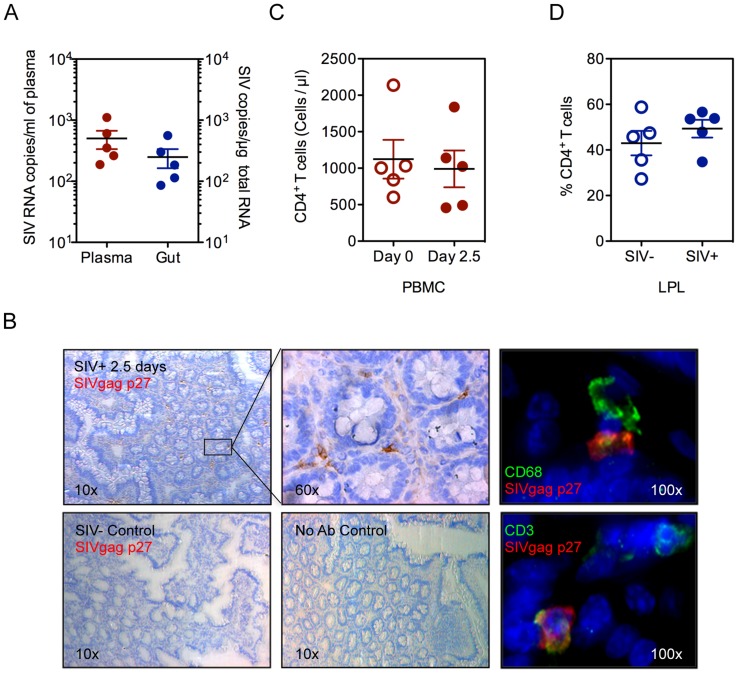
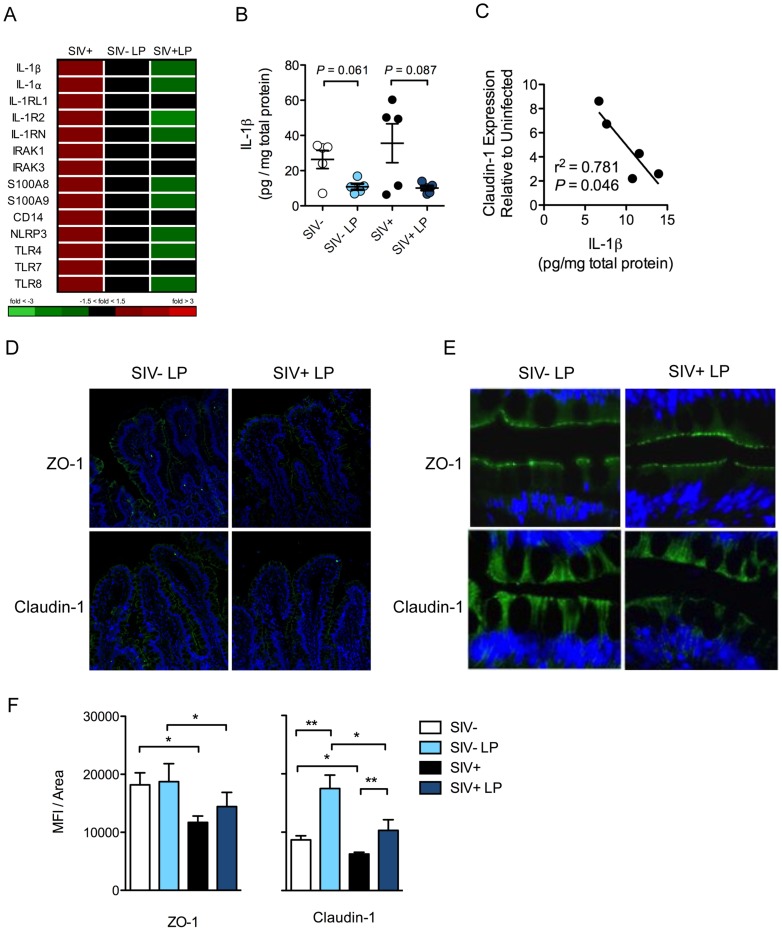
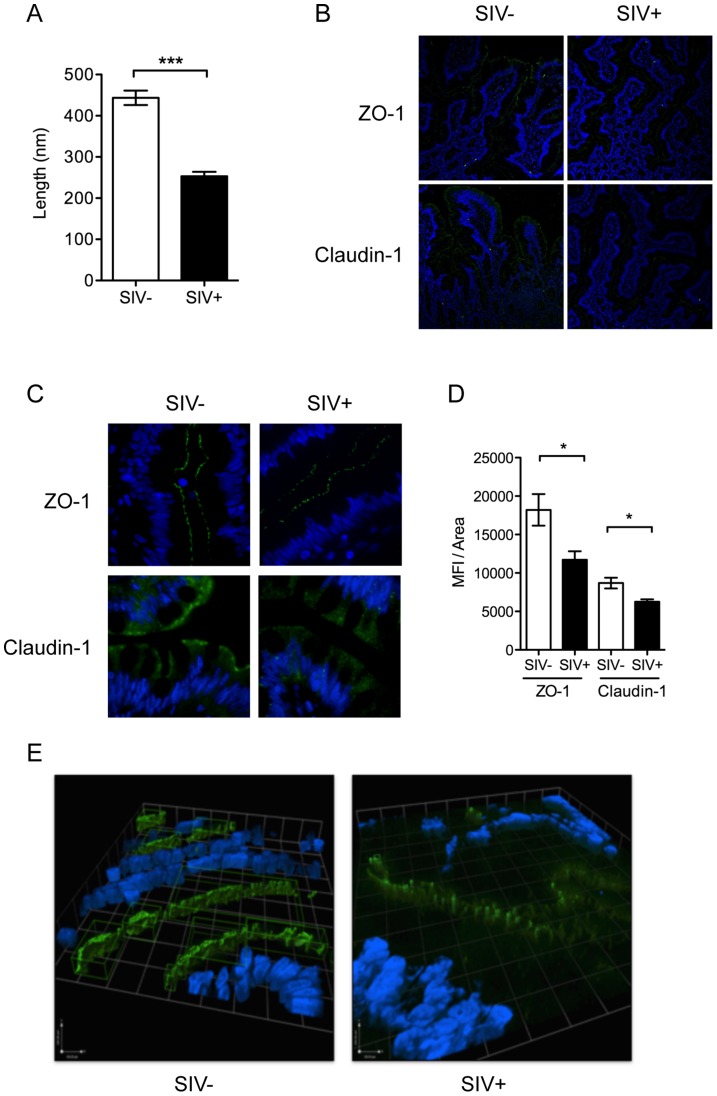
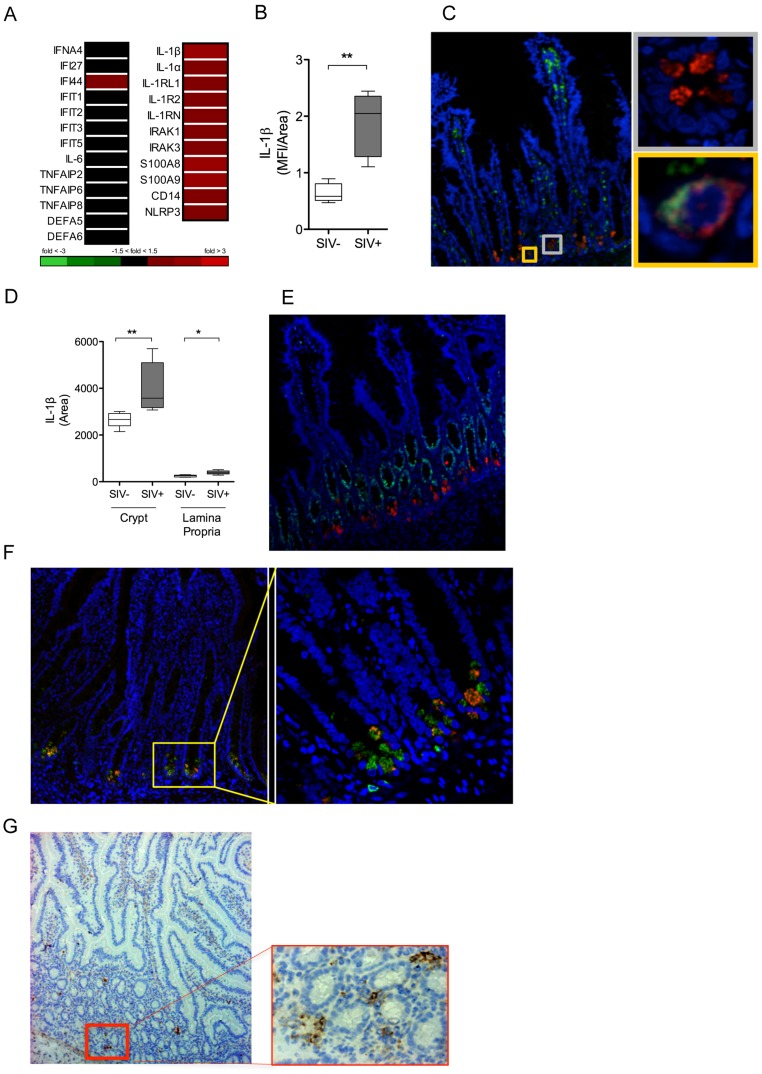
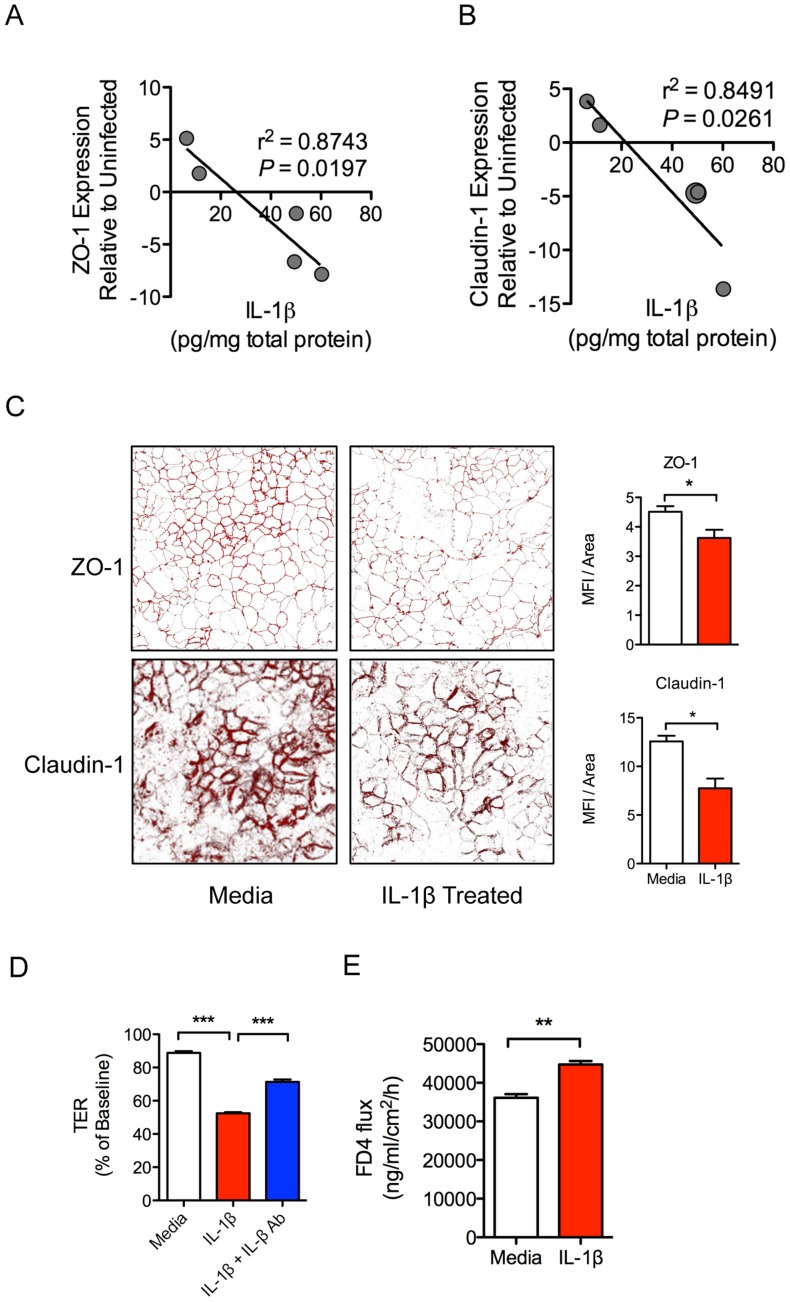
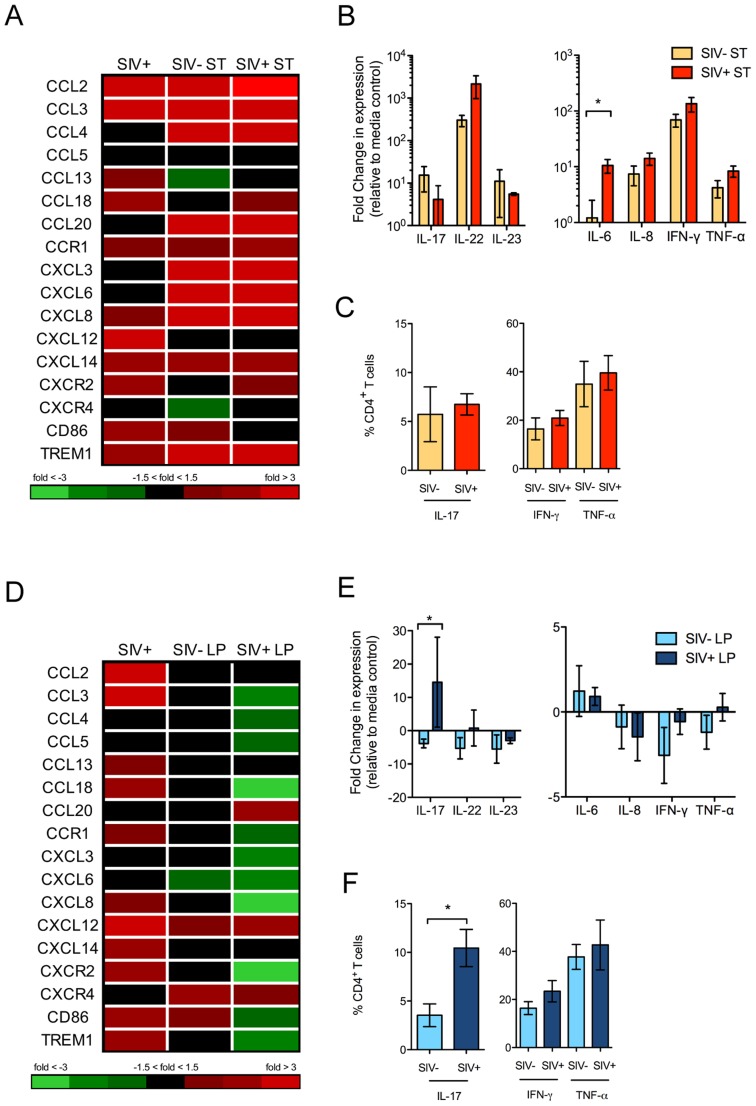
HIV causes rapid CD4+ T cell depletion in the gut mucosa, resulting in immune deficiency and defects in the intestinal epithelial barrier. Breakdown in gut barrier integrity is linked to chronic inflammation and disease progression. However, the early effects of HIV on the gut epithelium, prior to the CD4+ T cell depletion, are not known. Further, the impact of early viral infection on mucosal responses to pathogenic and commensal microbes has not been investigated. We utilized the SIV model of AIDS to assess the earliest host-virus interactions and mechanisms of inflammation and dysfunction in the gut, prior to CD4+ T cell depletion. An intestinal loop model was used to interrogate the effects of SIV infection on gut mucosal immune sensing and response to pathogens and commensal bacteria in vivo. At 2.5 days post-SIV infection, low viral loads were detected in peripheral blood and gut mucosa without CD4+ T cell loss. However, immunohistological analysis revealed the disruption of the gut epithelium manifested by decreased expression and mislocalization of tight junction proteins. Correlating with epithelial disruption was a significant induction of IL-1β expression by Paneth cells, which were in close proximity to SIV-infected cells in the intestinal crypts. The IL-1β response preceded the induction of the antiviral interferon response. Despite the disruption of the gut epithelium, no aberrant responses to pathogenic or commensal bacteria were observed. In fact, inoculation of commensal Lactobacillus plantarum in intestinal loops led to rapid anti-inflammatory response and epithelial tight junction repair in SIV infected macaques. Thus, intestinal Paneth cells are the earliest responders to viral infection and induce gut inflammation through IL-1β signaling. Reversal of the IL-1β induced gut epithelial damage by Lactobacillus plantarum suggests synergistic host-commensal interactions during early viral infection and identify these mechanisms as potential targets for therapeutic intervention.
人类免疫缺陷病毒(HIV)会导致肠道黏膜中的CD4+ T细胞迅速耗竭,从而导致免疫缺陷以及肠道上皮屏障出现缺陷。肠道屏障完整性的破坏与慢性炎症和疾病进展有关。然而,在CD4+ T细胞耗竭之前,HIV对肠道上皮的早期影响尚不清楚。此外,早期病毒感染对黏膜对致病微生物和共生微生物反应的影响也尚未得到研究。我们利用艾滋病的猴免疫缺陷病毒(SIV)模型,在CD4+ T细胞耗竭之前,评估肠道中最早的宿主-病毒相互作用以及炎症和功能障碍的机制。采用肠道肠袢模型来研究SIV感染对体内肠道黏膜免疫感知以及对病原体和共生细菌反应的影响。在SIV感染后2.5天,在外周血和肠道黏膜中检测到低病毒载量,且没有CD4+ T细胞损失。然而,免疫组织学分析显示肠道上皮受到破坏,表现为紧密连接蛋白的表达减少和定位错误。与上皮破坏相关的是潘氏细胞中白细胞介素-1β(IL-1β)表达的显著诱导,这些潘氏细胞与肠道隐窝中被SIV感染的细胞紧密相邻。IL-1β反应先于抗病毒干扰素反应的诱导。尽管肠道上皮受到破坏,但未观察到对致病或共生细菌的异常反应。事实上,在肠道肠袢中接种共生植物乳杆菌会导致SIV感染的猕猴迅速产生抗炎反应并修复上皮紧密连接。因此,肠道潘氏细胞是病毒感染的最早反应者,并通过IL-1β信号传导诱导肠道炎症。植物乳杆菌对IL-1β诱导的肠道上皮损伤的逆转表明在早期病毒感染期间宿主与共生菌之间存在协同相互作用,并将这些机制确定为治疗干预的潜在靶点。