Tang Derek M, Urrunaga Nathalie H, De Groot Hannah, von Rosenvinge Erik C, Xie Guofeng, Ghazi Leyla J
Division of Gastroenterology & Hepatology, Department of Medicine, University of Maryland School of Medicine, Baltimore, MD 21201, USA.
Case Rep Med. 2014;2014:812704. doi: 10.1155/2014/812704. Epub 2014 Aug 18.
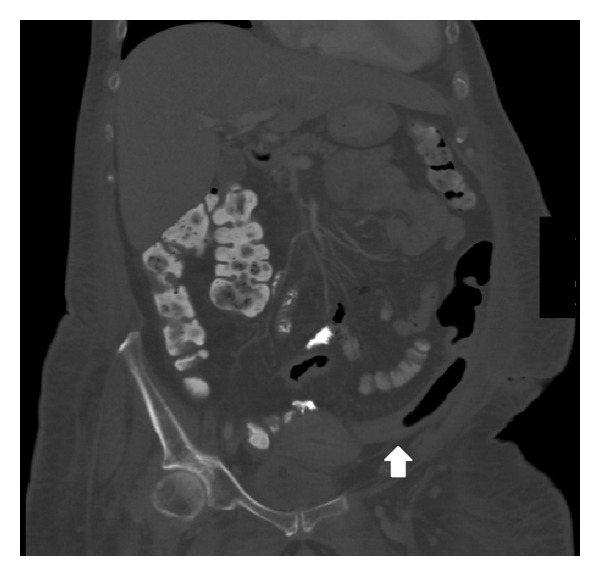
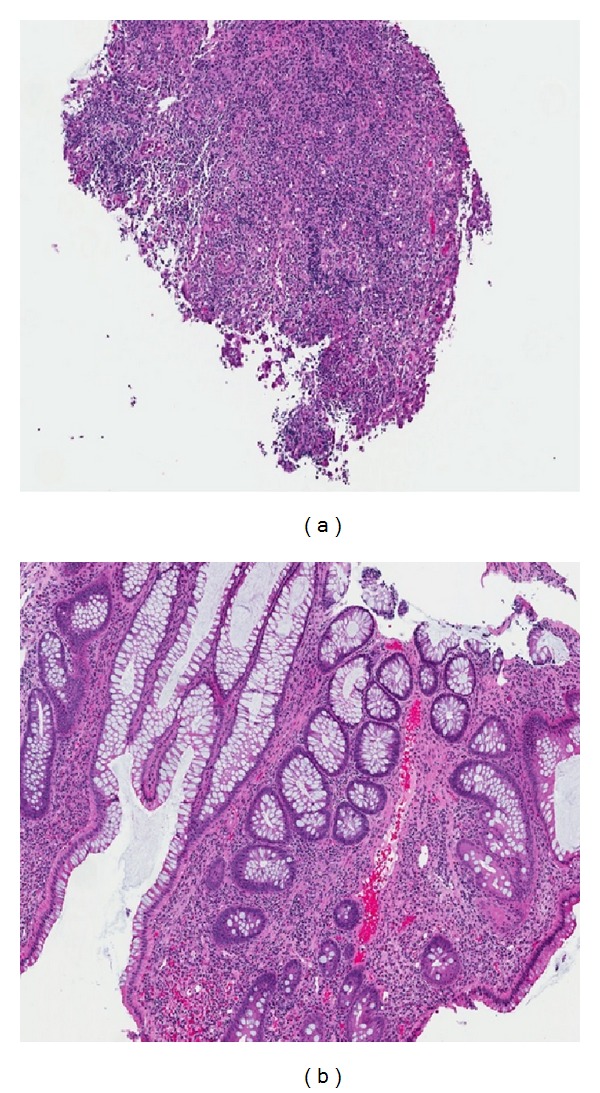
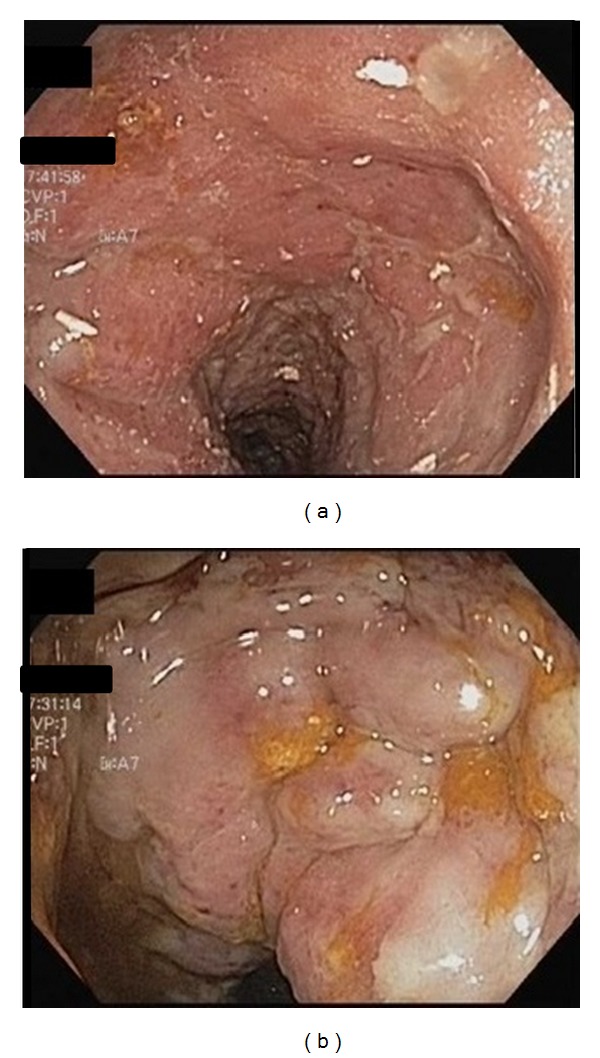
Although classically pseudomembranous colitis is caused by Clostridium difficile, it can result from several etiologies. Certain medications, chemical injury, collagenous colitis, inflammatory bowel disease, ischemia, and other infectious pathogens can reportedly cause mucosal injury and subsequent pseudomembrane formation. We present the case of a middle-aged woman with vascular disease who was incorrectly diagnosed with refractory C. difficile infection due to the presence of pseudomembranes. Further imaging, endoscopy, and careful histopathology review revealed chronic ischemia as the cause of her pseudomembranous colitis and diarrhea. This case highlights the need for gastroenterologists to consider non-C. difficile etiologies when diagnosing pseudomembranous colitis.
虽然经典的伪膜性结肠炎是由艰难梭菌引起的,但它也可能由多种病因导致。据报道,某些药物、化学损伤、胶原性结肠炎、炎症性肠病、缺血以及其他感染性病原体均可引起黏膜损伤及随后的伪膜形成。我们报告了一例患有血管疾病的中年女性病例,由于存在伪膜,她被错误地诊断为难治性艰难梭菌感染。进一步的影像学检查、内镜检查以及仔细的组织病理学复查显示,慢性缺血是其伪膜性结肠炎和腹泻的病因。该病例强调了胃肠病学家在诊断伪膜性结肠炎时需要考虑非艰难梭菌病因。