Weaver Emma Rosamond Nony, Pane Masdalina, Wandra Toni, Windiyaningsih Cicilia, Samaan Gina
Independent Researcher, Jakarta, Indonesia.
Sulianti Saroso Infectious Diseases Hospital, Ministry of Health Republic of Indonesia, North Jakarta, Jakarta Province, Indonesia.
PLoS One. 2014 Sep 17;9(9):e107543. doi: 10.1371/journal.pone.0107543. eCollection 2014.
Although the number of people receiving antiretroviral therapy (ART) in Indonesia has increased in recent years, little is known about the specific characteristics affecting adherence in this population. Indonesia is different from most of its neighbors given that it is a geographically and culturally diverse country, with a large Muslim population. We aimed to identify the current rate of adherence and explore factors that influence ART adherence.
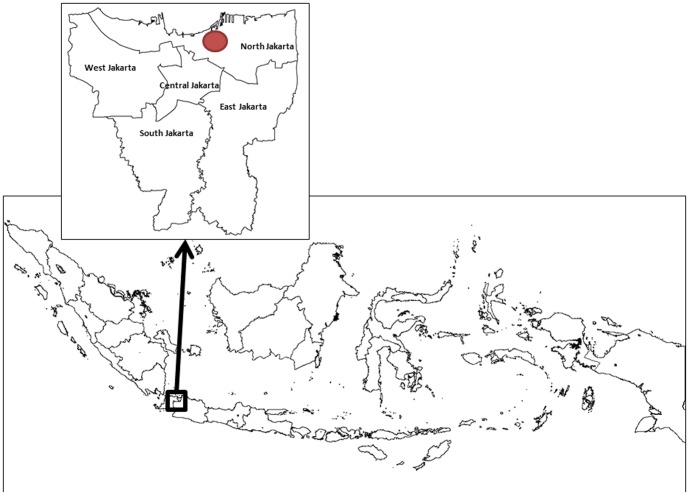
Data were collected from ART-prescribed outpatients on an HIV registry at a North Jakarta hospital in 2012. Socio-demographic and behavioral characteristics were explored as factors associated with adherence using logistics regression analyses. Chi squared test was used to compare the difference between proportions. Reasons for missing medication were analyzed descriptively.
Two hundred and sixty-one patients participated, of whom 77% reported ART adherence in the last 3 months. The level of social support experienced was independently associated with adherence where some social support (p = 0.018) and good social support (p = 0.039) improved adherence compared to poor social support. Frequently cited reasons for not taking ART medication included forgetting to take medication (67%), busy with something else (63%) and asleep at medication time (60%).
This study identified that an increase in the level of social support experienced by ART-prescribed patients was positively associated with adherence. Social support may minimize the impact of stigma among ART prescribed patients. Based on these findings, if social support is not available, alternative support through community-based organizations is recommended to maximize treatment success.
尽管近年来印度尼西亚接受抗逆转录病毒疗法(ART)的人数有所增加,但对于影响该人群依从性的具体特征却知之甚少。印度尼西亚与其大多数邻国不同,因为它是一个地理和文化多样的国家,穆斯林人口众多。我们旨在确定当前的依从率,并探索影响ART依从性的因素。
2012年从雅加达北部一家医院的HIV登记处接受ART治疗的门诊患者中收集数据。使用逻辑回归分析探索社会人口统计学和行为特征作为与依从性相关的因素。卡方检验用于比较比例之间的差异。对漏服药物的原因进行描述性分析。
261名患者参与了研究,其中77%报告在过去3个月中坚持ART治疗。所获得的社会支持水平与依从性独立相关,与社会支持差相比,一些社会支持(p = 0.018)和好的社会支持(p = 0.039)可提高依从性。未服用ART药物的常见原因包括忘记服药(67%)、忙于其他事情(63%)和服药时睡着(60%)。
本研究发现,接受ART治疗的患者所获得的社会支持水平的提高与依从性呈正相关。社会支持可能会最大限度地减少接受ART治疗患者中的耻辱感影响。基于这些发现,如果没有社会支持,建议通过社区组织提供替代支持,以最大限度地提高治疗成功率。