Ruiz-Orera Jorge, Messeguer Xavier, Subirana Juan Antonio, Alba M Mar
Evolutionary Genomics Group, Research Programme on Biomedical Informatics, Hospital del Mar Research Institute, Universitat Pompeu Fabra, Barcelona, Spain.
Llenguatges i Sistemes Informàtics, Universitat Politècnica de Catalunya, Barcelona, Spain.
Elife. 2014 Sep 16;3:e03523. doi: 10.7554/eLife.03523.
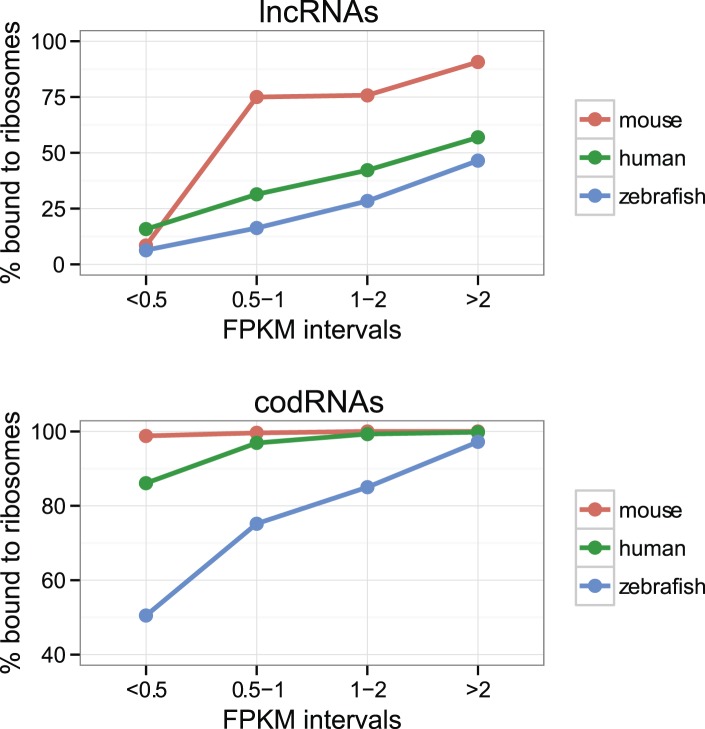
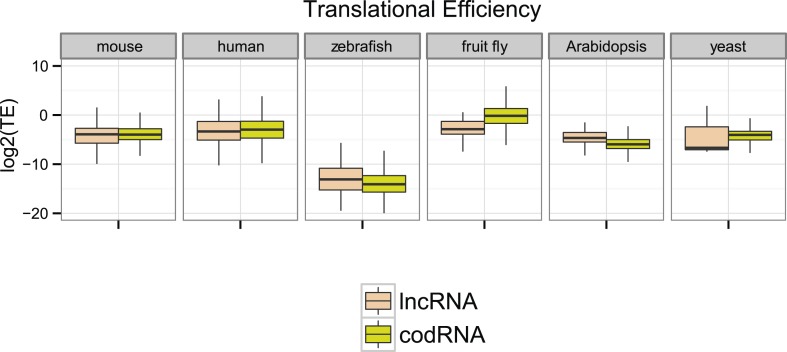
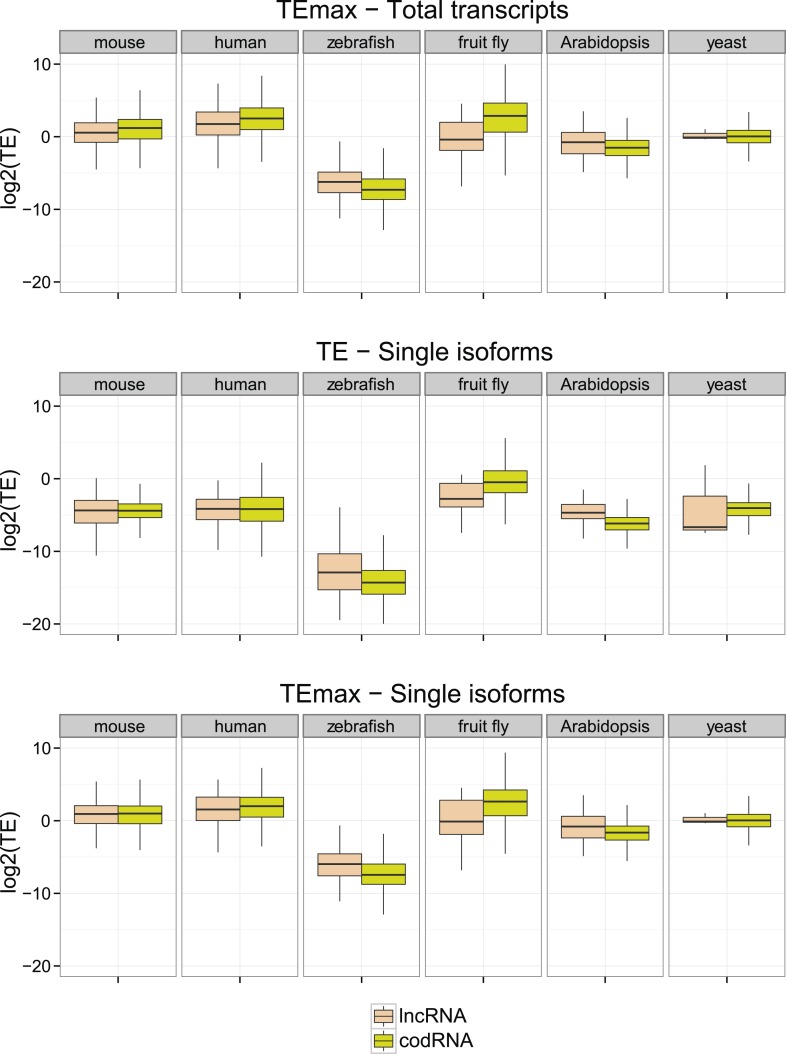
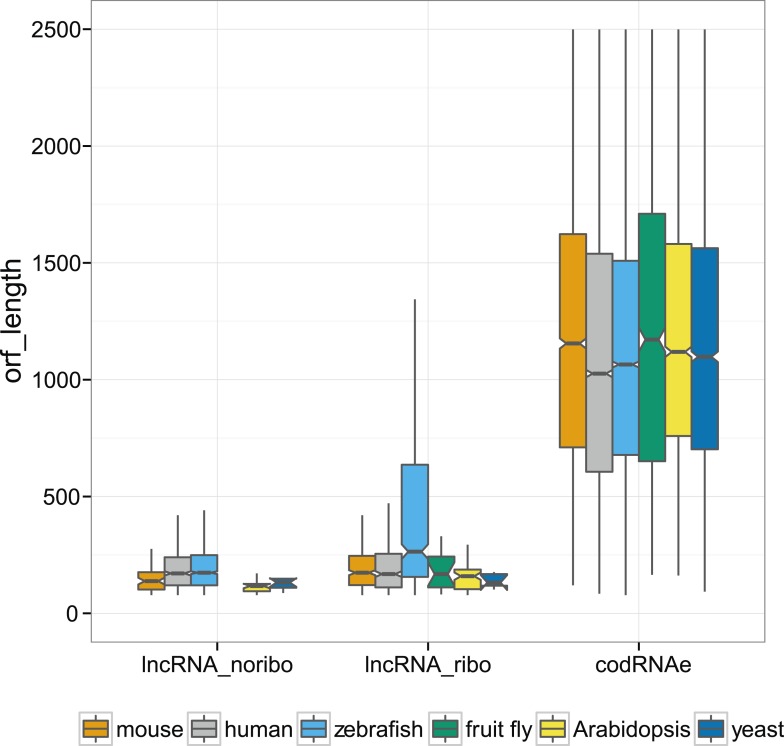
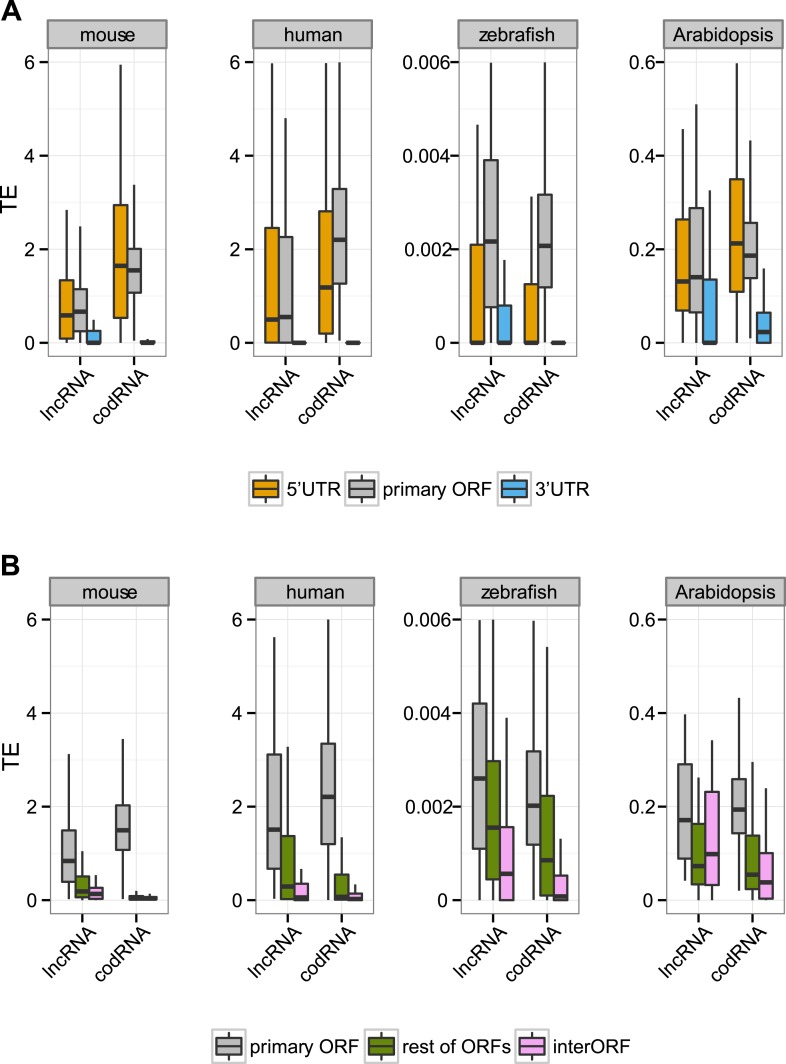
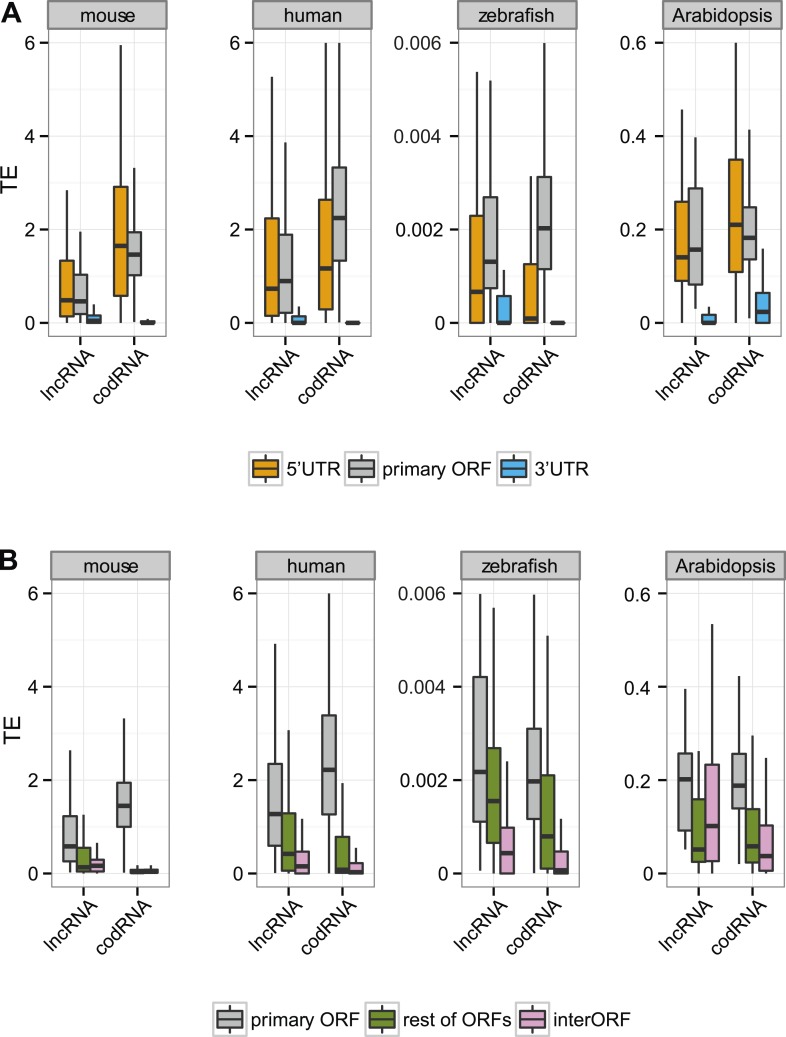
Deep transcriptome sequencing has revealed the existence of many transcripts that lack long or conserved open reading frames (ORFs) and which have been termed long non-coding RNAs (lncRNAs). The vast majority of lncRNAs are lineage-specific and do not yet have a known function. In this study, we test the hypothesis that they may act as a repository for the synthesis of new peptides. We find that a large fraction of the lncRNAs expressed in cells from six different species is associated with ribosomes. The patterns of ribosome protection are consistent with the translation of short peptides. lncRNAs show similar coding potential and sequence constraints than evolutionary young protein coding sequences, indicating that they play an important role in de novo protein evolution.
深度转录组测序揭示了许多缺乏长的或保守开放阅读框(ORF)的转录本的存在,这些转录本被称为长链非编码RNA(lncRNA)。绝大多数lncRNA是谱系特异性的,目前尚无已知功能。在本研究中,我们检验了一个假设,即它们可能作为新肽合成的库。我们发现,在来自六个不同物种的细胞中表达的很大一部分lncRNA与核糖体相关。核糖体保护模式与短肽的翻译一致。lncRNA显示出与进化上年轻的蛋白质编码序列相似的编码潜力和序列限制,表明它们在从头蛋白质进化中起重要作用。