Stijlemans Benoît, Leng Lin, Brys Lea, Sparkes Amanda, Vansintjan Liese, Caljon Guy, Raes Geert, Van Den Abbeele Jan, Van Ginderachter Jo A, Beschin Alain, Bucala Richard, De Baetselier Patrick
Department of Cellular and Molecular Immunology, Vrije Universiteit Brussel (VUB), Brussels, Belgium; Myeloid Cell Immunology Laboratory, Vlaams Instituut voor Biotechnologie, Brussels, Belgium.
Department of Internal Medicine, Yale University School of Medicine, New Haven, Connecticut, United States of America.
PLoS Pathog. 2014 Sep 25;10(9):e1004414. doi: 10.1371/journal.ppat.1004414. eCollection 2014 Sep.
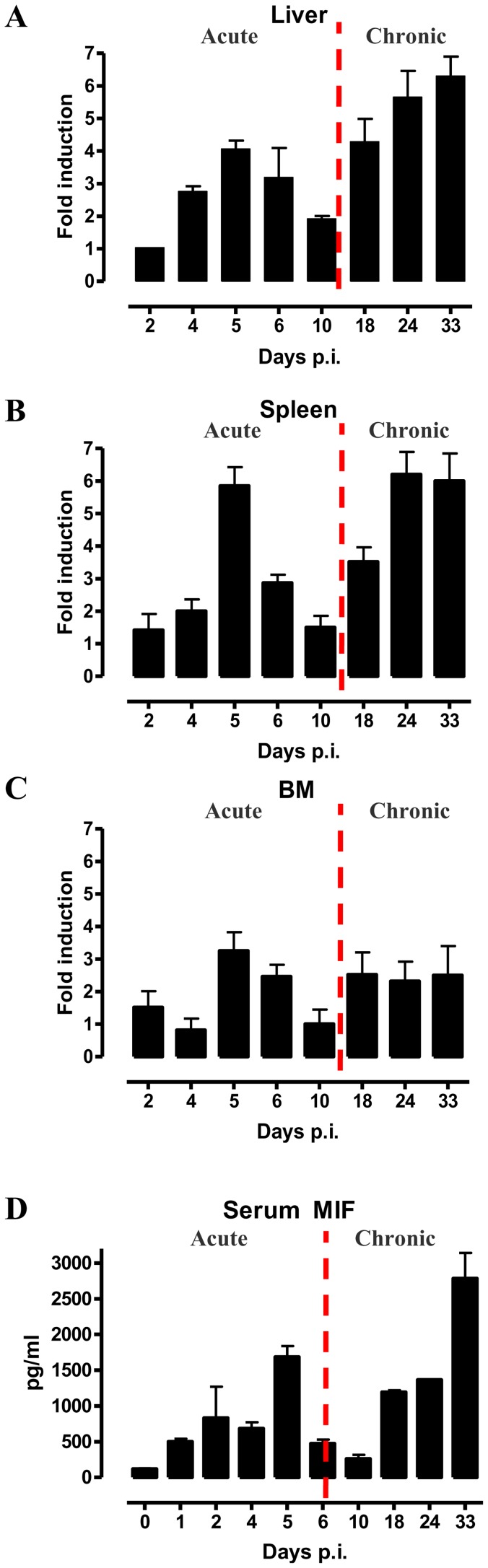
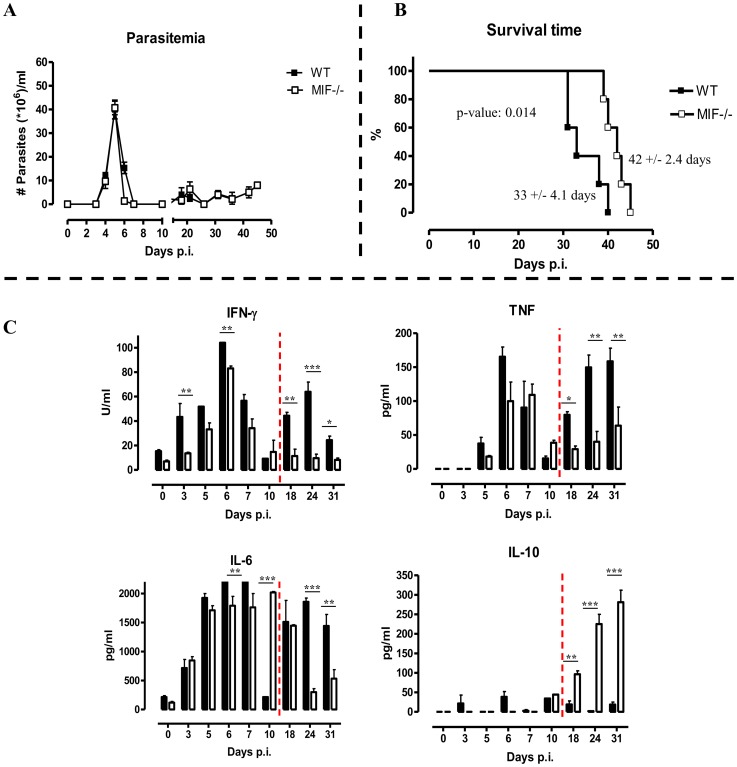
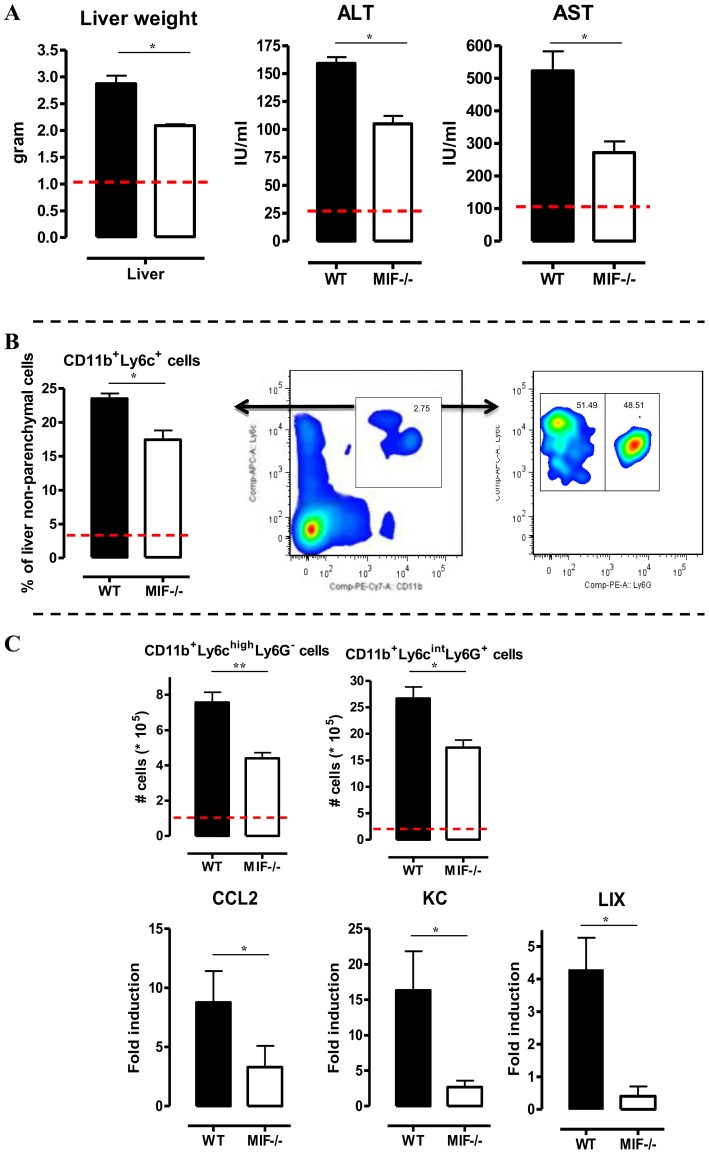
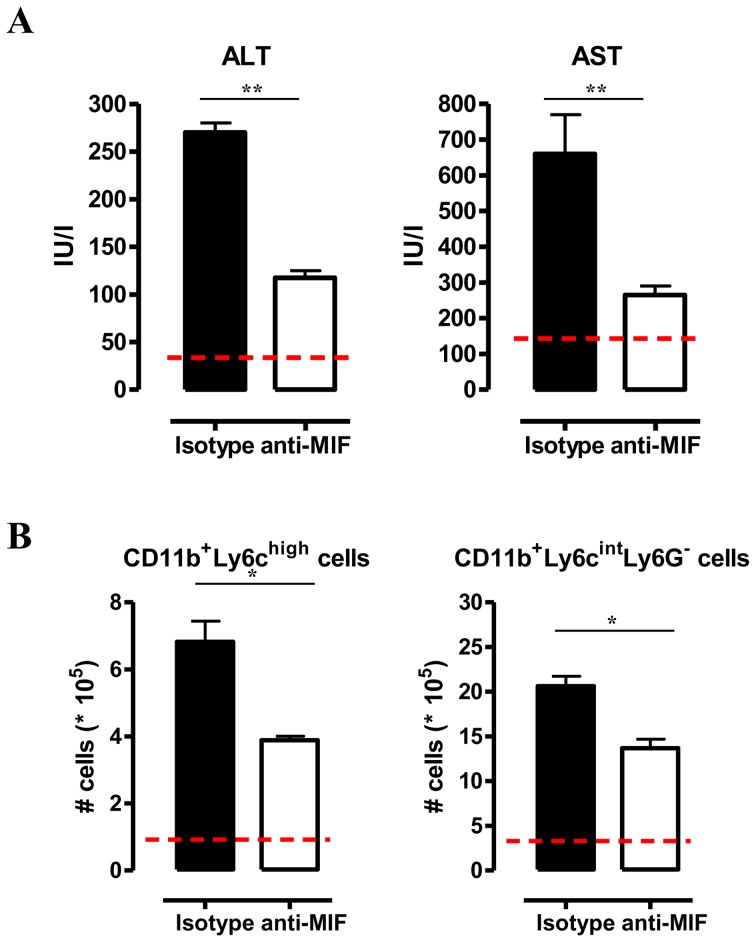
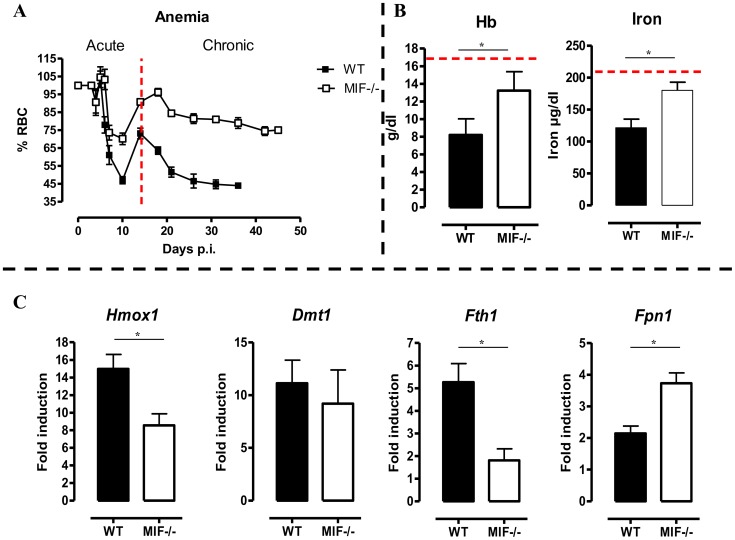
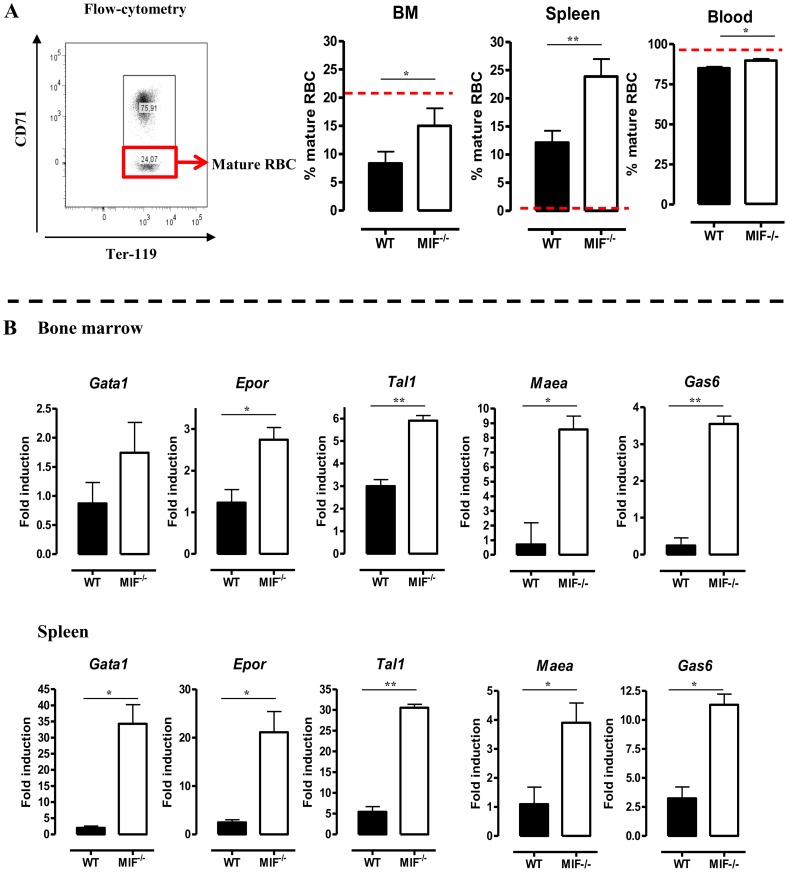
African trypanosomiasis is a chronic debilitating disease affecting the health and economic well-being of many people in developing countries. The pathogenicity associated with this disease involves a persistent inflammatory response, whereby M1-type myeloid cells, including Ly6C(high) inflammatory monocytes, are centrally implicated. A comparative gene analysis between trypanosusceptible and trypanotolerant animals identified MIF (macrophage migrating inhibitory factor) as an important pathogenic candidate molecule. Using MIF-deficient mice and anti-MIF antibody treated mice, we show that MIF mediates the pathogenic inflammatory immune response and increases the recruitment of inflammatory monocytes and neutrophils to contribute to liver injury in Trypanosoma brucei infected mice. Moreover, neutrophil-derived MIF contributed more significantly than monocyte-derived MIF to increased pathogenic liver TNF production and liver injury during trypanosome infection. MIF deficient animals also featured limited anemia, coinciding with increased iron bio-availability, improved erythropoiesis and reduced RBC clearance during the chronic phase of infection. Our data suggest that MIF promotes the most prominent pathological features of experimental trypanosome infections (i.e. anemia and liver injury), and prompt considering MIF as a novel target for treatment of trypanosomiasis-associated immunopathogenicity.
非洲锥虫病是一种慢性消耗性疾病,影响着发展中国家许多人的健康和经济福祉。与这种疾病相关的致病性涉及持续的炎症反应,其中包括Ly6C(高)炎症单核细胞在内的M1型髓样细胞起着核心作用。对锥虫易感和锥虫耐受动物进行的比较基因分析确定巨噬细胞迁移抑制因子(MIF)是一种重要的致病候选分子。使用MIF缺陷小鼠和抗MIF抗体处理的小鼠,我们发现MIF介导致病性炎症免疫反应,并增加炎症单核细胞和中性粒细胞的募集,从而导致布氏锥虫感染小鼠的肝损伤。此外,在锥虫感染期间,中性粒细胞来源的MIF比单核细胞来源的MIF对致病性肝脏肿瘤坏死因子的产生和肝损伤增加的贡献更大。MIF缺陷动物还表现出有限的贫血,这与感染慢性期铁生物利用度增加、红细胞生成改善和红细胞清除减少相一致。我们的数据表明,MIF促进了实验性锥虫感染最突出的病理特征(即贫血和肝损伤),并促使人们将MIF视为治疗锥虫病相关免疫致病性的新靶点。