Laboratory of Tumor Inflammation and Angiogenesis, CCB, VIB, Leuven, Belgium.
Laboratory of Tumor Inflammation and Angiogenesis, CCB, Department of Oncology, KU Leuven, Leuven, Belgium.
Sci Adv. 2021 May 7;7(19). doi: 10.1126/sciadv.abf0466. Print 2021 May.
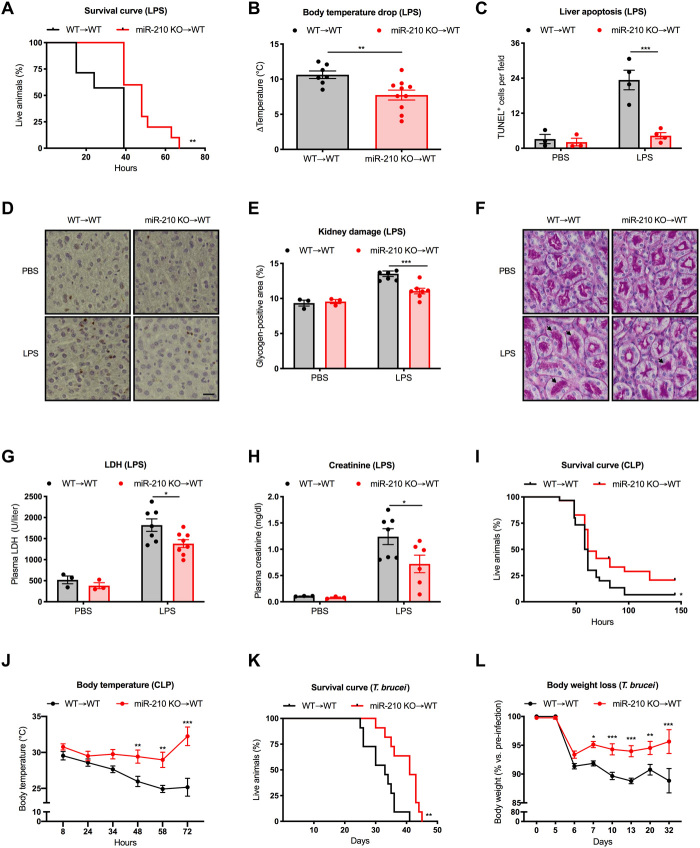
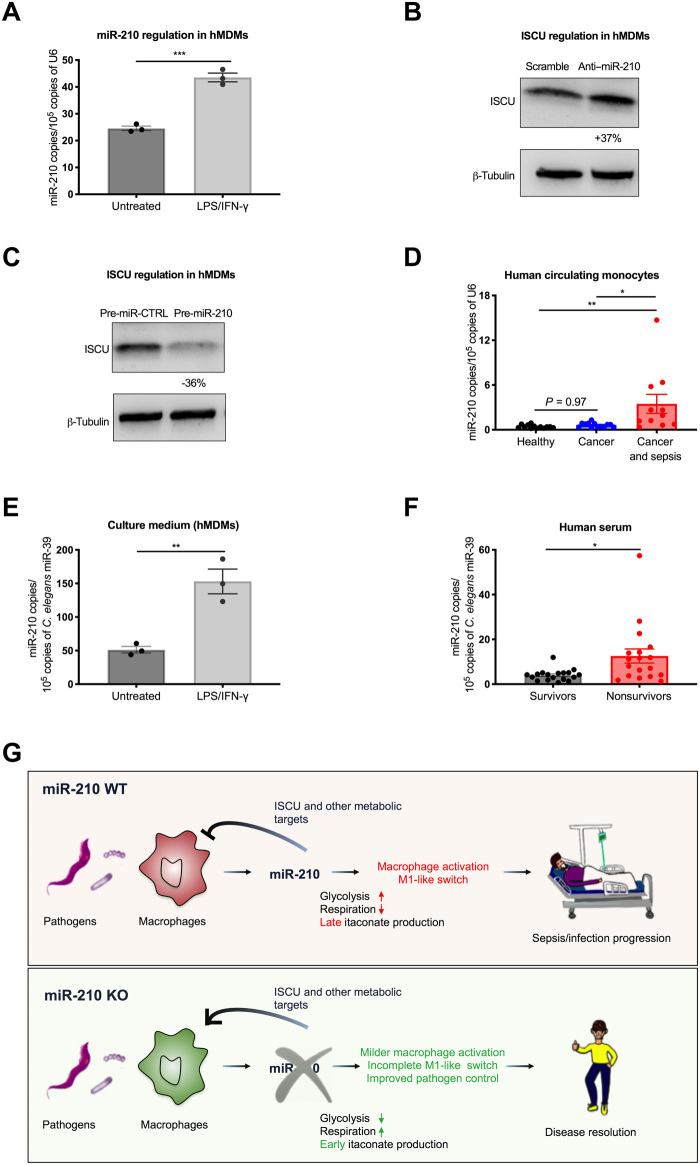
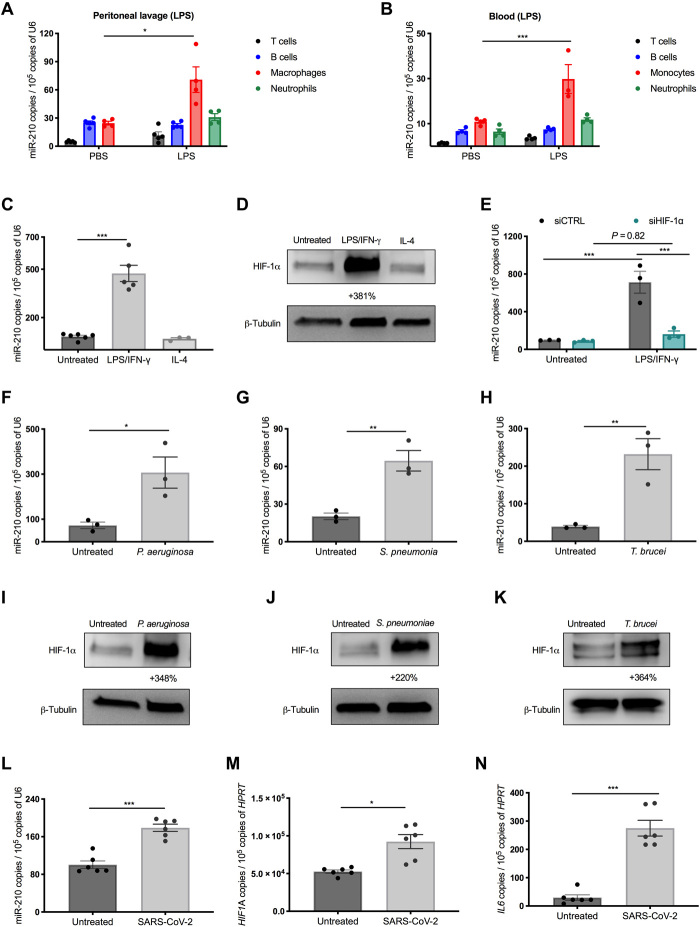
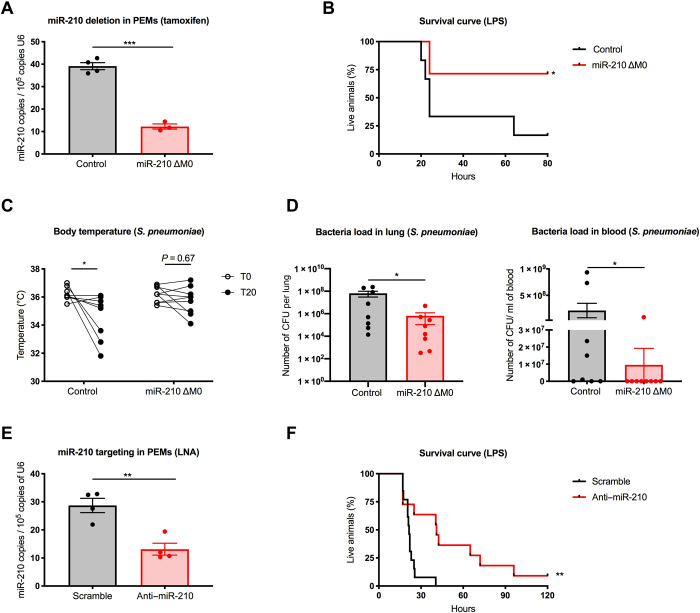
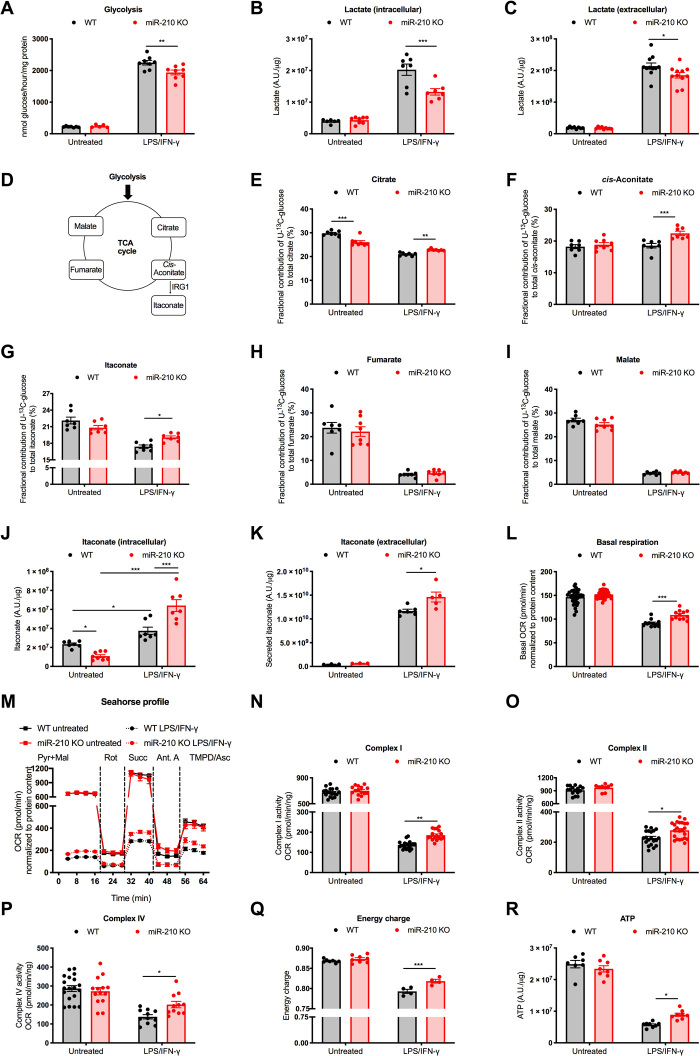
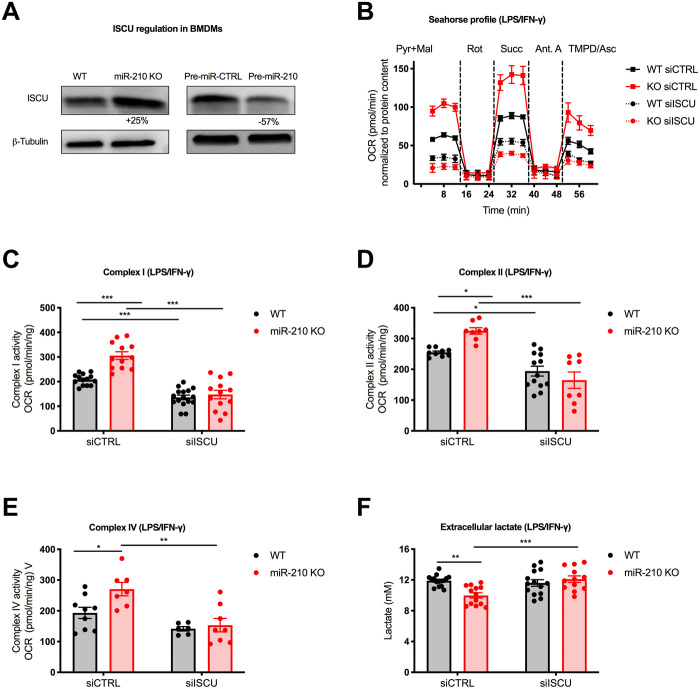
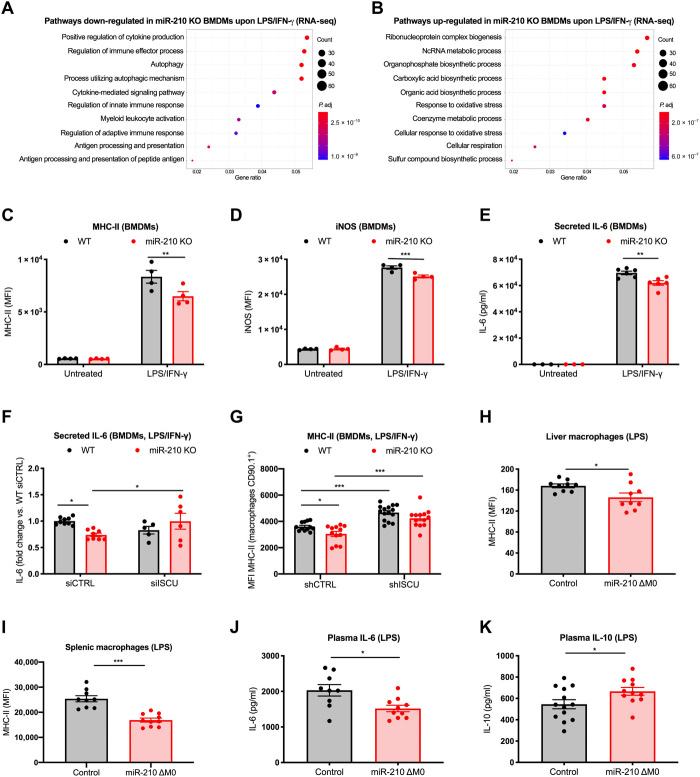
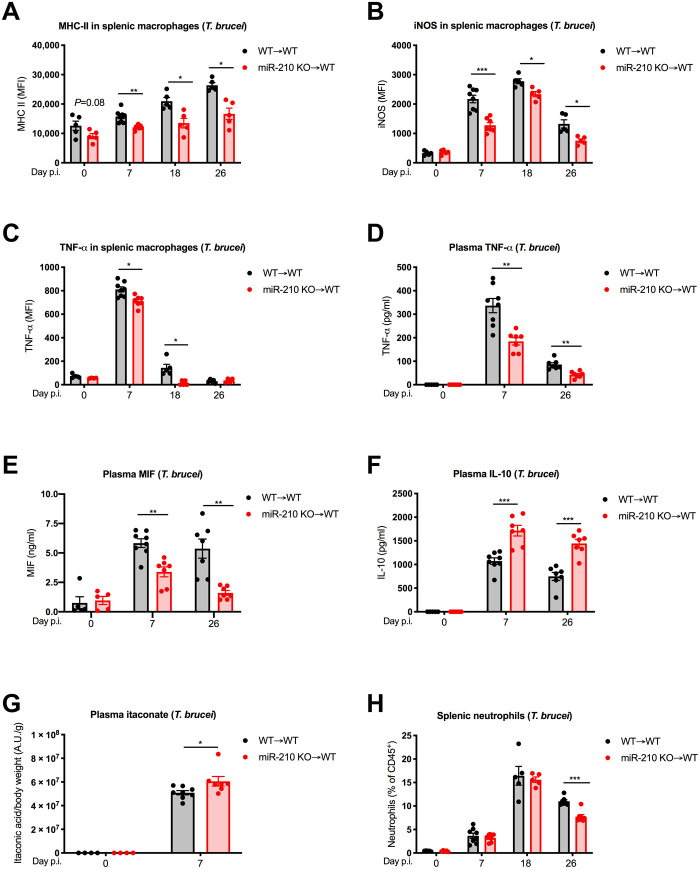
Unbalanced immune responses to pathogens can be life-threatening although the underlying regulatory mechanisms remain unknown. Here, we show a hypoxia-inducible factor 1α-dependent microRNA (miR)-210 up-regulation in monocytes and macrophages upon pathogen interaction. MiR-210 knockout in the hematopoietic lineage or in monocytes/macrophages mitigated the symptoms of endotoxemia, bacteremia, sepsis, and parasitosis, limiting the cytokine storm, organ damage/dysfunction, pathogen spreading, and lethality. Similarly, pharmacologic miR-210 inhibition improved the survival of septic mice. Mechanistically, miR-210 induction in activated macrophages supported a switch toward a proinflammatory state by lessening mitochondria respiration in favor of glycolysis, partly achieved by downmodulating the iron-sulfur cluster assembly enzyme ISCU. In humans, augmented miR-210 levels in circulating monocytes correlated with the incidence of sepsis, while serum levels of monocyte/macrophage-derived miR-210 were associated with sepsis mortality. Together, our data identify miR-210 as a fine-tuning regulator of macrophage metabolism and inflammatory responses, suggesting miR-210-based therapeutic and diagnostic strategies.
尽管病原体的免疫反应失衡的潜在调节机制尚不清楚,但针对病原体的免疫反应失衡可能会危及生命。在这里,我们发现在病原体相互作用下,缺氧诱导因子 1α(HIF-1α)依赖性 microRNA(miR)-210 在单核细胞和巨噬细胞中上调。造血谱系或单核细胞/巨噬细胞中的 miR-210 敲除减轻了内毒素血症、菌血症、败血症和寄生虫病的症状,限制了细胞因子风暴、器官损伤/功能障碍、病原体传播和致死率。类似地,药理 miR-210 抑制提高了败血症小鼠的存活率。从机制上讲,激活的巨噬细胞中 miR-210 的诱导通过降低线粒体呼吸来支持向促炎状态的转变,有利于糖酵解,部分通过下调铁硫簇组装酶 ISCU 来实现。在人类中,循环单核细胞中 miR-210 水平的增加与败血症的发生率相关,而单核细胞/巨噬细胞衍生的 miR-210 的血清水平与败血症的死亡率相关。总之,我们的数据将 miR-210 确定为巨噬细胞代谢和炎症反应的精细调节因子,表明基于 miR-210 的治疗和诊断策略。